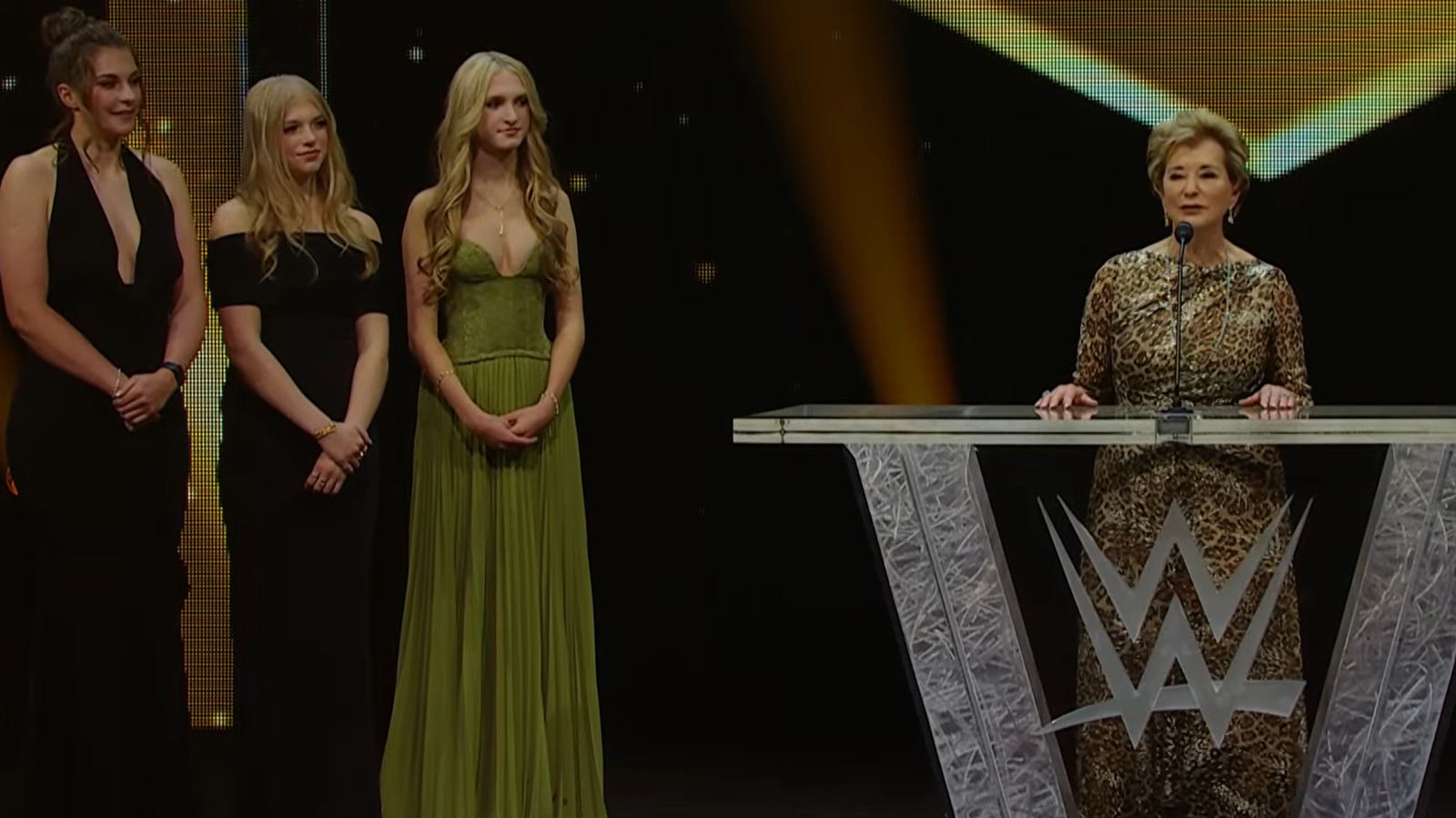
The 2026 Hall of Fame class marks a shift in corporate strategy
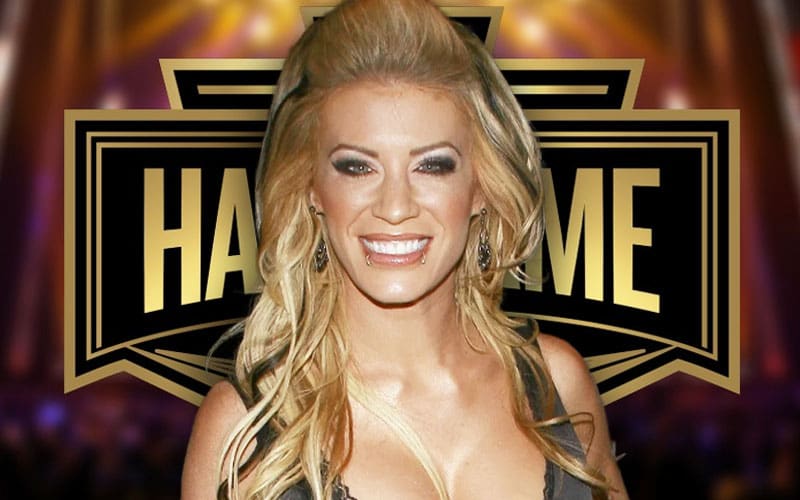
The announcement of the 2026 WWE Hall of Fame class has generated significant chatter. It highlights a pivot toward recognizing both in-ring longevity and high-level executive contribution. The inclusion of AJ Styles and Stephanie McMahon indicates a desire to balance the traditional wrestling legacy with the modernization of the brand.
AJ Styles, a veteran of the independent scene and a staple of the WWE main event since 2016, represents the bridge between the old-school worker mentality and the current production standard. His 2016 Royal Rumble debut remains one of the most memorable moments in the modern era. He secured his place in history by defeating John Cena at SummerSlam in 2016 and holding the WWE Championship for a cumulative 511 days.
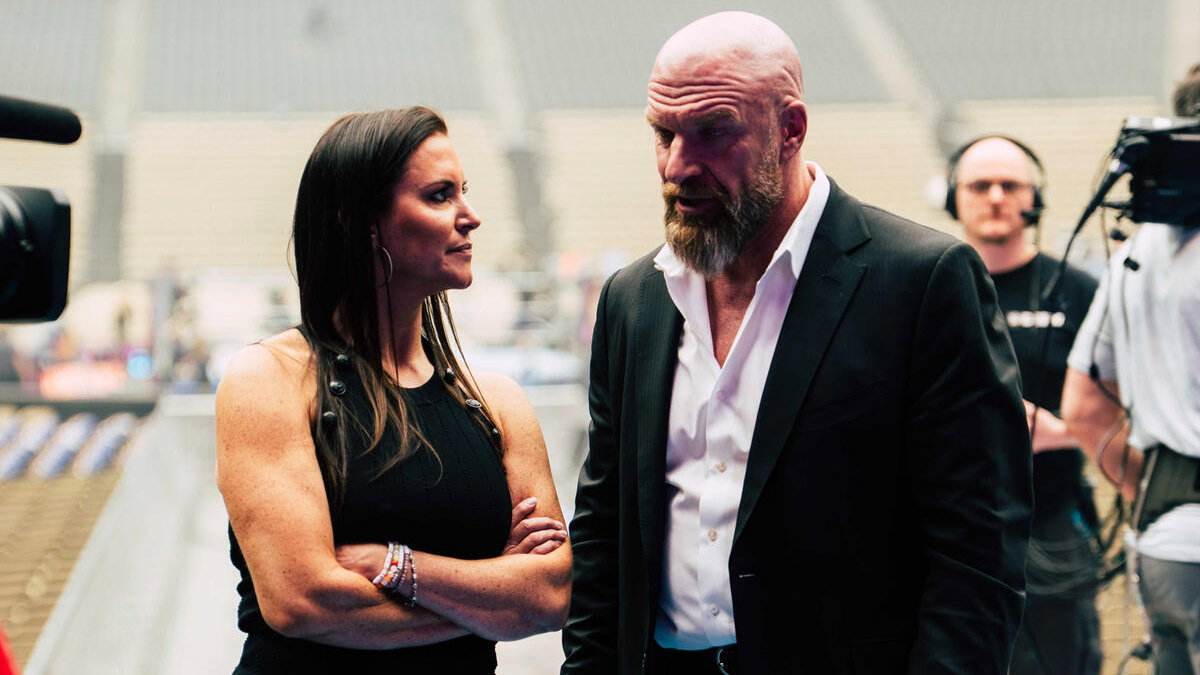
Stephanie McMahon, conversely, represents the corporate evolution of the product. Her induction moves the focus away from pure athletic performance toward the business and character work that sustained the company during the transition into the streaming age. While some purists argue the Hall of Fame should focus exclusively on wrestling, the inclusion of individuals like McMahon reflects how the company views itself as a broader media entity.
The Ted DiBiase perspective on industry standards
Ted DiBiase, a member of the 2010 class, recently offered his thoughts on the upcoming inductees. As reported by Wrestling Inc, DiBiase remains plugged into the current roster dynamics. His take on the 2026 class suggests a respect for how the business has changed since his Million Dollar Man days.
DiBiase understands that the criteria for induction change with every generation. He knows better than most that the Hall of Fame is essentially a subjective curation of WWE history. However, there is a legitimate critique regarding the lack of clear selection metrics. When the induction process feels entirely opaque, it undermines the prestige of the ring itself.
Missing pieces and booking inconsistencies
Despite the star power of Styles and McMahon, the class highlights a recurring issue with WWE history management. It often feels like the company prioritizes recent corporate allies over legends who helped build the business in the territories. The focus on 2010s-era stars leaves a gap for performers from the 1980s and 1990s who never received their due.
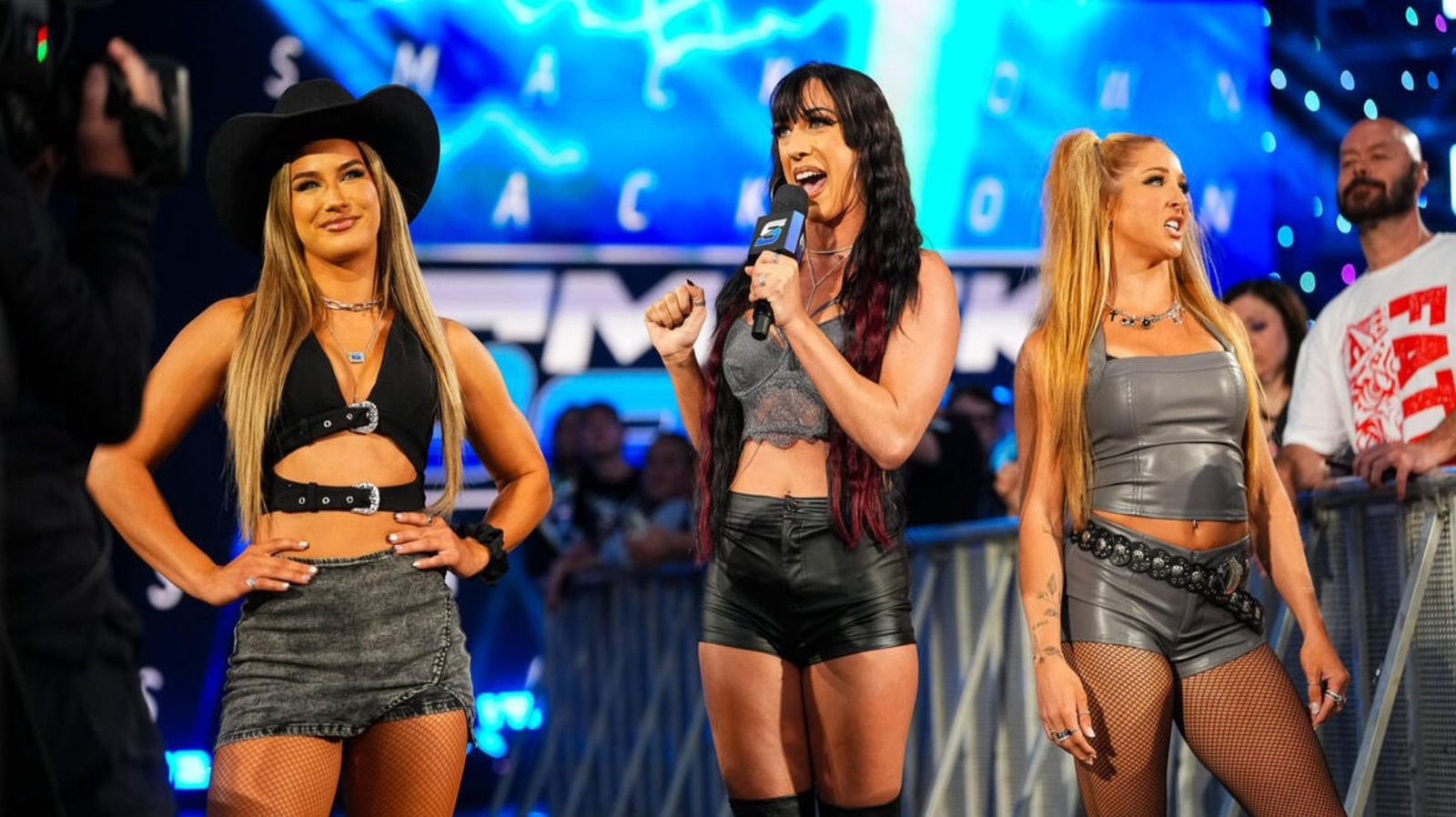
The booking of Styles in recent months has been erratic, making his induction feel slightly premature for a man still active on the roster. He recently suffered a clean loss to Carmelo Hayes on SmackDown, a move that felt designed to build a younger star but ultimately dragged down the momentum of a future Hall of Famer. It is difficult to celebrate a career achievement when the performer is being utilized as a glorified gatekeeper on weekly television.
There is also the matter of Stephanie McMahon's dual role. While she was a pivotal television character, her transition into the boardroom makes her induction a political statement as much as a celebration of a career. This creates a disconnect for fans who remember her purely as a character in the Authority storyline. Forcing the business side and the kayfabe side into one ceremony occasionally blurs the lines in a way that feels disjointed.
The road to the 2026 ceremony
The 2026 inductees will face scrutiny regarding their impact on the bottom line. AJ Styles helped stabilize the company during the mid-2010s when the roster was undergoing a massive talent turnover. His influence on the style of wrestling seen on Raw and SmackDown is undeniable, even if his current usage is lackluster.
We have to ask if the Hall of Fame is becoming too crowded with internal hires. If the trend continues, the ceremony will lose its status as a tribute to wrestling legends and become an internal awards show for retired staff. Balancing these interests is a difficult task, but the current direction leans heavily toward the latter.
Ultimately, the induction of Styles is a lock based on his 2016-2024 run alone. The question remains whether the company can find a better way to honor the past without making the current product feel like a museum. The 2026 ceremony will serve as a litmus test for how much the audience cares about the corporate history of the organization versus the actual in-ring work that defined the industry.