The ghosts that refuse to leave the locker room
Professional wrestling does not know how to handle death. As the industry gears up for a massive summer schedule, starting with AEW Double or Nothing in just eleven days, the focus is squarely on the future. The television deals are locked. The rosters are stacked. But when it comes to the actual, messy human fallout of losing someone, the business usually just hits the gas and hopes the noise drowns out the past.
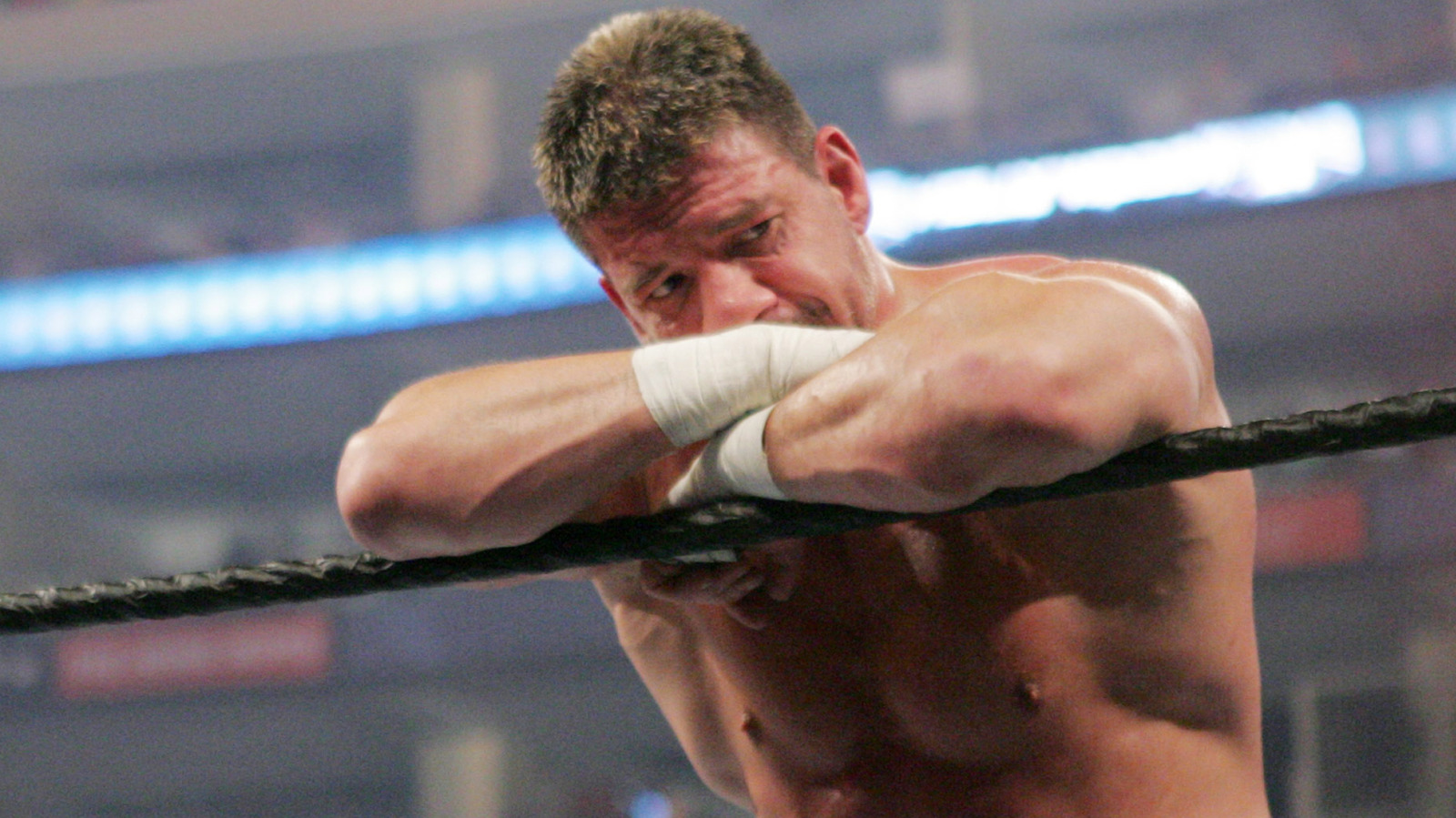
We are creeping up on twenty-one years since Eddie Guerrero died in a Minneapolis hotel room. That morning changed the trajectory of the business forever. It altered wellness policies, derailed storylines, and left a massive void in the ring that an entire generation has spent two decades trying to fill. The immediate aftermath was a blur of raw emotion broadcast on live television, a surreal blending of real heartbreak and corporate programming.
For the fans, Eddie became a saint. For his family, he was just gone.
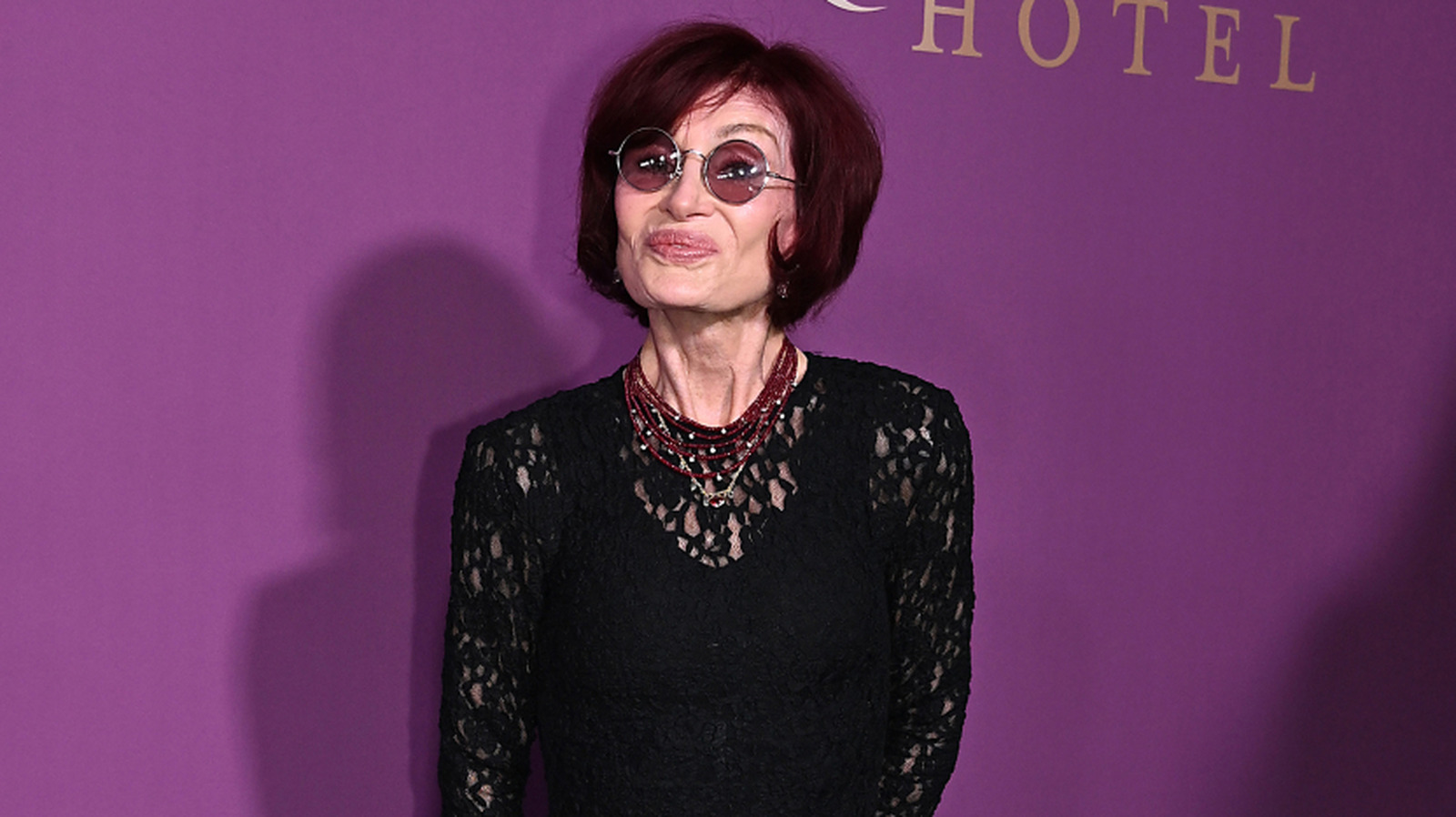
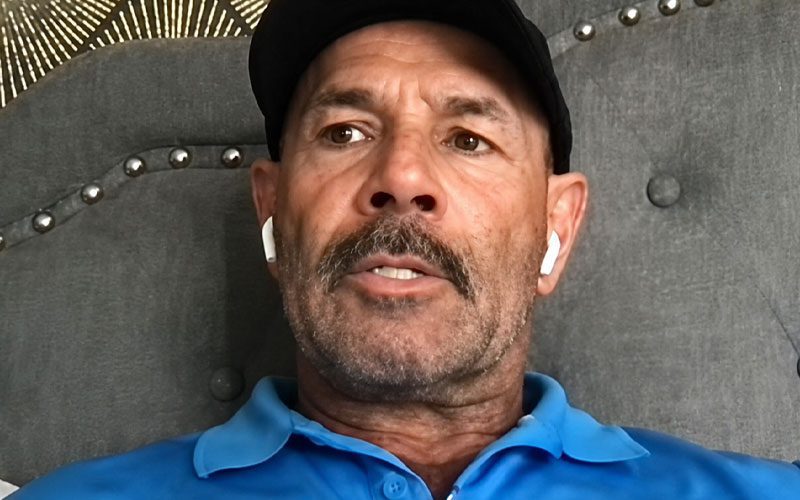
That disconnect is why Sherilyn Guerrero's recent comments carry so much weight. Eddie’s daughter has spent most of her life keeping the business at arm's length. Who could blame her? The machine took her father, wrung out his memory for every possible drop of emotion on weekly television, and kept right on moving. She had to watch her father's name get dragged through mud in storylines, used to elevate other talent while she was just trying to process the loss of a parent.
But something shifted recently. Sherilyn admitted she is finally letting wrestling back into her life.
"Before it was 'get it away from me', now I have my own addiction."
That is a massive step. It is also a reminder that the people left behind have to navigate a reality that fans can simply log off from. Sherilyn is watching an industry that is currently red-hot. The stadiums are packed. The product is slick and highly produced. But the ghosts are still sitting in the front row, watching everything unfold.
The Benoit taboo
If reconciling with her father's industry is difficult, Sherilyn's comments on Chris Benoit are radioactive. The wrestling world decided long ago how to handle Benoit: erasure. WWE scrubbed him from the network metadata. Fans debate whether his matches can be separated from his crimes.
Sherilyn doesn't have the luxury of academic debate. She knew the man.
She recently stated that Benoit was "an uncle to me truly," adding that she "never had any bad experiences" with him. For a fanbase conditioned to view heroes and villains in absolute terms, hearing the daughter of Eddie Guerrero speak fondly of her memories with the man who committed an unforgivable double-murder-suicide is deeply uncomfortable.
But it shouldn't be dismissed. It highlights the agonizing gray area that the families of these wrestlers live in. Nancy and Daniel Benoit were the victims. The horror of that weekend in 2007 is absolute. Yet, for the children who ran around backstage in the early 2000s, these men were just their fathers' coworkers and friends.
Wrestling fans want clean narratives. They want to cheer the face and boo the heel. Real trauma doesn't book itself that cleanly.
Carny instincts and community notes
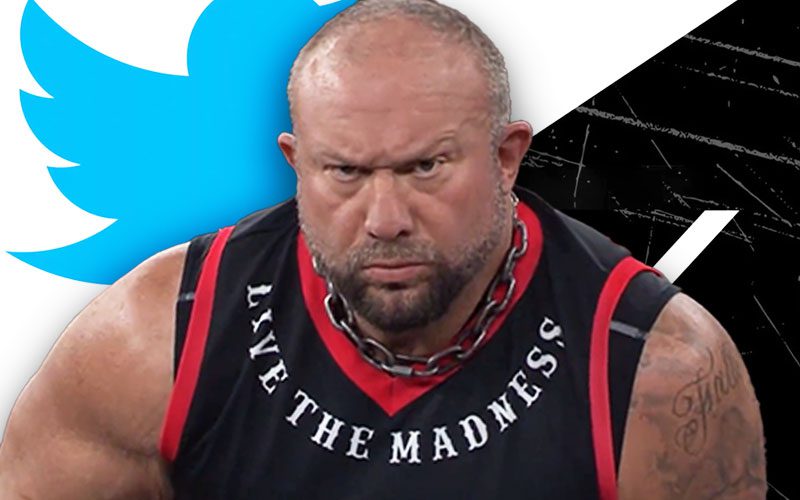
While Sherilyn is attempting to find peace and nuance, the old guard of the wrestling business continues to embarrass itself. Case in point: Bully Ray.
The veteran recently took to social media to claim that a controversial tribute moment following Eddie’s death was actually a "work." He doubled down, viewing a real-life reaction to a devastating loss through the cynical lens of booking and angles.
It blew up in his face.
Bully Ray got hit with a Community Note on the platform, fact-checking his claim and confirming the incident was genuine. It was a bizarre collision of modern internet moderation and old-school carny brainrot.
This is the fundamental problem with veterans from the Attitude and Ruthless Aggression eras analyzing the past. They spent so many years lying to the public, and lying to themselves, that they literally cannot process a genuine human moment. If a wrestler cries, it must be to get heat. If a tribute happens, it must be setting up a pay-per-view match.
It is exhausting. Bully Ray's refusal to accept that not everything is a work shows exactly why the industry struggled so badly to handle Eddie's death in the first place. The executives and the veterans tried to process grief the only way they knew how: by turning it into content.
Rey Mysterio won the Royal Rumble and the World Heavyweight Championship dedicated to Eddie. Chavo Guerrero turned heel. Randy Orton told Rey that Eddie was in hell. It was gross then, and defending the underlying mindset now is even worse.
The tribute act problem
Look at the modern television product. The athletes are faster, the bumps are crazier, and the match structures are incredibly complex. But we still cannot escape the Three Amigos.
Every week, someone hits a rolling suplex. Someone hits a frog splash. Someone shimmies on the top rope. Sasha Banks built half her main event run on Eddie's swagger. Dominik Mysterio has built his entire heel persona on being the deadbeat son Eddie fought for in a ladder match at SummerSlam 2005.
Is it a tribute, or is it a crutch?
When a young wrestler hits a frog splash and points to the sky, it pops the crowd. It always will. But at a certain point, it stops being about honoring Eddie and starts being a cheap way to borrow his heat. Eddie didn't get over by doing Art Barr's moves forever. He got over by being endlessly innovative, charismatic, and dangerous. Think about the way he dismantled Brock Lesnar at No Way Out 2004. He didn't just survive; he outsmarted a monster. He targeted the knee, he used the referee bump to his advantage, and he hit a DDT on the title belt that sent the Cow Palace into hysterics.
Think about Halloween Havoc 1997. The sheer velocity of his work against Rey Mysterio. The top rope springboard into a hurricanrana. He was a pioneer.
Now, his legacy is often reduced to a pantomime routine by mid-carders desperate for a reaction. Dominik Mysterio is the rare exception where the connection actually works. The heat he gets from claiming Eddie as his true father, while torturing Rey, is spectacular. It works because it is rooted in actual continuity from 2005. The sheer audacity of Dominik wearing a mullet and driving lowriders generates nuclear heat. But for everyone else? It might be time to let the tributes rest.
Let Eddie be Eddie. Stop trying to extract a pop from his memory.
Where the family goes from here
Sherilyn Guerrero returning to the wrestling bubble as a fan is a fascinating development. She noted that her feeling went from "get it away from me" to an "addiction."
Wrestling does that to people. It is a visceral, violent, beautiful art form. When it clicks, there is nothing else like it on television. A perfectly timed kickout at 2.9 seconds can make an entire arena lose their minds. The storytelling, when done right without insulting the audience, is brilliant. A twenty-minute clinic between two masters can communicate more emotion than a dozen scripted promos.
But the industry has to be better about how it treats its ghosts.
The Bully Ray incident is a stark reminder that the old habits die hard. The urge to commodify tragedy is baked into the DNA of the business. As we move closer to Double or Nothing and the busy summer schedule, the promotions need to focus on building new legends rather than mining the past. The reliance on nostalgia is a poison that eventually kills innovation.
Sherilyn’s grace in handling questions about Chris Benoit shows a level of maturity that the wrestling business rarely demonstrates. She is acknowledging the pain, remembering the humanity, and moving forward without demanding clean, sanitized narratives. She is accepting the mess.
It is time for the rest of the wrestling world to follow her lead.
Stop booking the memory of a dead man in angles. Stop analyzing real-life grief as if it were a mid-card storyline. Accept that the tragedies of the mid-2000s were catastrophic failures of the industry's culture, not fodder for podcasts twenty years later. The locker rooms are safer now. The medical protocols are stricter. That is the real tribute.
Prediction: The Guerrero name will always be wrestling royalty. Dominik will eventually win a world title using that inherited heat, and the crowd will riot when he does. But the next generation of fans is getting smarter. They don't want the carny explanations anymore. They want authenticity. If veterans keep trying to spin real pain into kayfabe, the Community Notes are going to be the least of their problems. The audience will just stop listening, leaving them screaming into a void that moved on without them.