The dangerous reality beyond the curtain
Modern professional wrestling creates a pseudo-intimacy that few other entertainment forms can match. The connection between talent and audience is designed to feel personal, but when that boundary erodes, the result is often malicious behavior that compromises the actual safety of the performers.
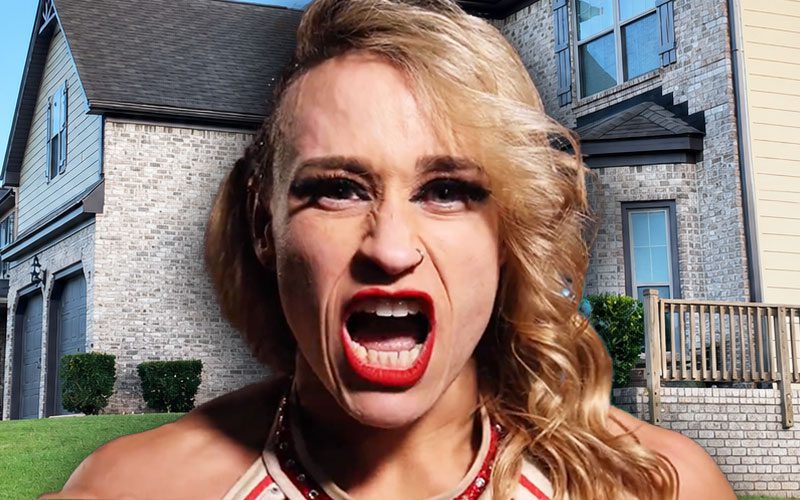
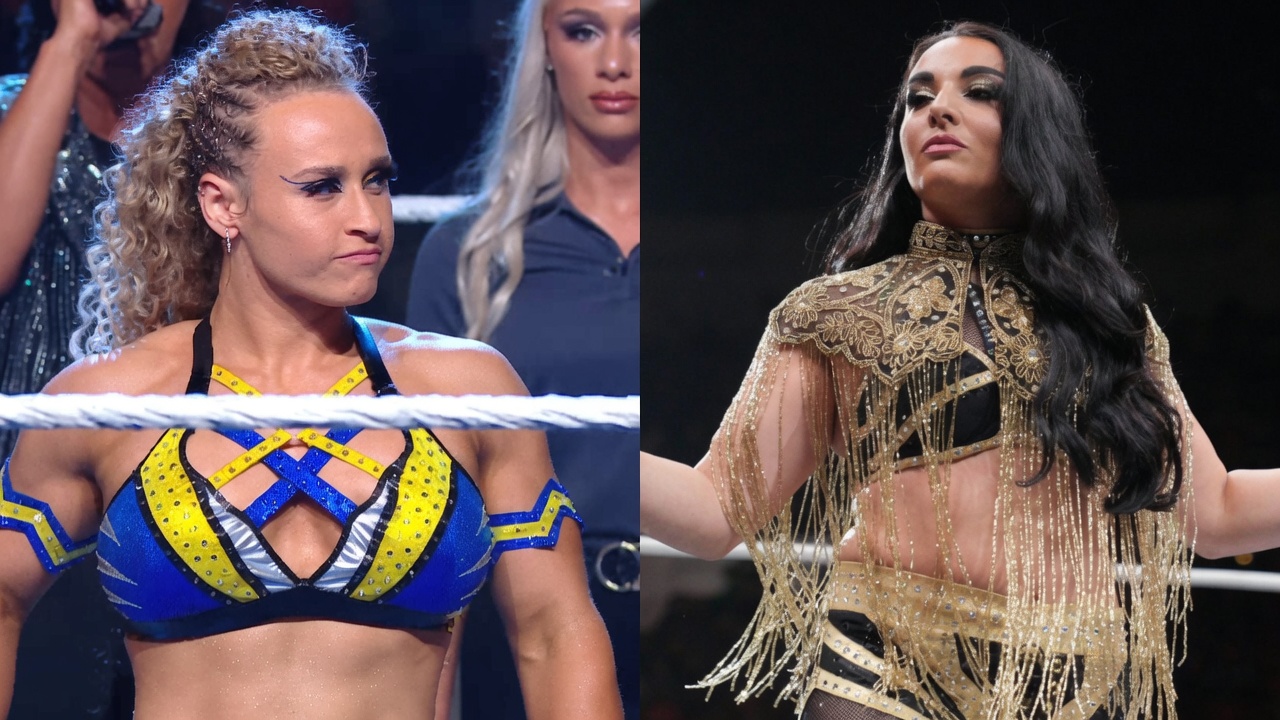
Deonna Purrazzo recently detailed a harrowing stalking experience that highlights a chilling trend inside the industry. It was not a singular incident or a misunderstanding; it was a calibrated effort by an individual to track her whereabouts and violate her personal space outside of the arena environment.
The limitations of current security enforcement
Purrazzo’s account, mirrored by reporting from F4WOnline, reveals a systemic failure in how law enforcement handles these reports. Despite clear evidence of concerning behavior, the police were unable to file a formal report. This legal dead-end leaves talent essentially defenseless against persistent threats.
The industry standard for years has been to brush off boundary-crossing as 'part of the job.' That expectation is archaic. When performers are subject to unwanted surveillance, the burden of protection should not fall solely on their individual initiative or social media warnings.
The escalation of fan entitlement
We see this entitlement manifest in ways that are physically dangerous. Jordynne Grace’s recent public warning to fans serves as a necessary intervention against those who believe buying a ticket grants them an implicit right to follow talent to their hotels or airports. This isn't fandom. It is an invasion.
As PWInsider noted in their coverage of the timeline, these incidents are becoming more frequent as the accessibility of talent increases. Technology allows for instantaneous tracking, and the proximity provided by airport meet-and-greets or hotel lobbies provides the perfect conditions for these interactions to manifest.
Refining the safety protocols
Promotions need to move away from reactive measures. Handing out pamphlets on wrestler-fan etiquette is a start, but it lacks the weight required to deter genuine aggressors. When you look at the track record of how these situations are escalated, it is clear that current internal security teams are often unequipped to deal with off-site stalking.
There is a glaring lack of standardized security protocols for talent when they are not in the building. Many performers are left to navigate the logistical challenges of travel and accommodation entirely alone. This is an organizational oversight that demands a 100 percent commitment to change.
Predicting the fallout
The industry will likely see a shift in how talent engages with the public during travel days. We are already at a point where the risks to personal safety outweigh the 'approachability' branding that promotions prioritize. I anticipate a tightening of travel security, with companies potentially hiring dedicated personal security or blacking out travel schedules entirely.
If a talent is forced to leave a promotion or cut off fan interaction entirely due to safety concerns, the booking departments of AEW and WWE will have nobody to blame but themselves and their inability to foster a culture of respect. My prediction is simple: the first time a major star is physically harmed in an off-site incident, the current laissez-faire policy will be abandoned overnight. Professionalism requires protection, not just performances.