The technical foundation laid by the veteran
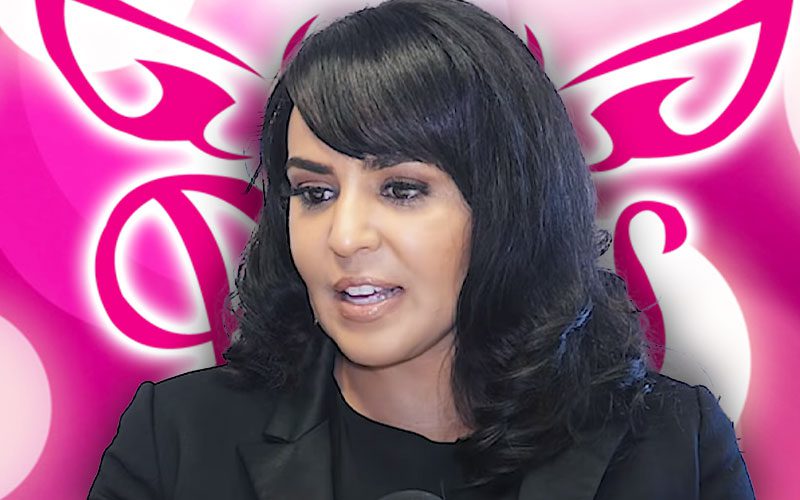
Modern audiences fixate on high-flying spots and cinematic main events. Yet, the foundational work of the mid-2000s continues to dictate how the current roster operates. Recent reflections from former champion Layla regarding Fit Finlay highlight a reality often lost in the noise of current storylines.
Finlay was not merely a producer. He acted as the primary architect for an entire division during a period when the company viewed those matches as little more than intermissions. His focus on ring psychology—specifically using the corner as a weapon and leveraging limb work—created the technical floor for today’s stars.
The Layla era and the shift in booking
Layla’s specific experience with her Women’s Championship victory serves as a window into the institutional resistance Finlay faced. He prioritized the legitimacy of the matches long before the current movement toward athletic equity. As WrestleTalk recently detailed, her success was tied directly to his persistent lobbying behind the scenes.
This is where the booking falls under scrutiny. While today’s talent benefits from longer segment times, the consistency of the storytelling often fluctuates. The division once relied on the grit instilled by mentors like Finlay; now, the danger lies in prioritizing spectacle over the fundamentals of selling and pacing.
Predicting the impact on upcoming cards
The upcoming championship cycle looks promising, but it requires a return to the basics. If the current front-runners ignore the lessons of the Divas Era's best bouts, they risk producing matches that feel hollow despite the high-budget production. The transition from technical wrestling to pure entertainment status is a razor-thin line.
I expect the upcoming title defense to lean heavily on classic ring craft. If the competitors can integrate the physicality of the mid-2000s with the athletic freedom of 2026, we are looking at a 4.25-star performance. However, failing to integrate that core psychology will result in a messy sequence of finishers lacking impact.
My call? The champion retains by utilizing a grounded submission victory at the 16-minute mark. The talent is there, but the finish must be earned through limb isolation, not a sequence of unearned big moves. The ghost of Finlay’s training methods will be the difference between a forgettable match and a defining career moment.