The reality of the post-Cena era
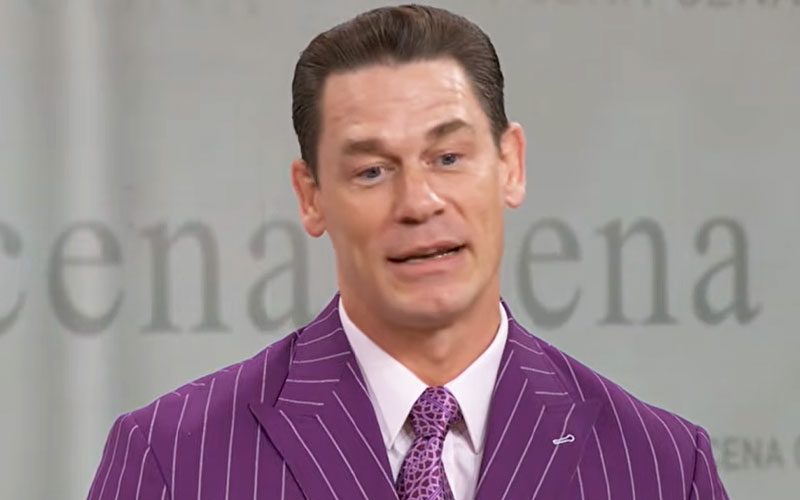
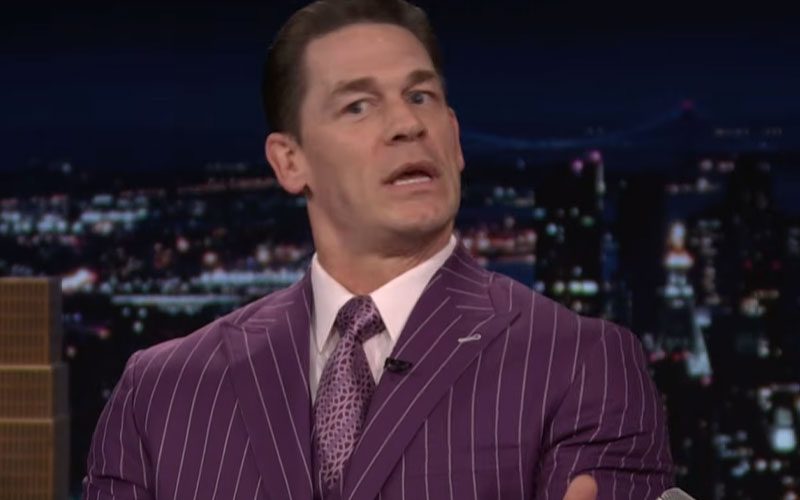
Six months into his formal retirement, John Cena maintains a silence that speaks louder than any promos he cut during his final run. Observations from his latest interviews indicate no inclination to return for a one-off performance, let alone a sustained program. His transition from the squared circle to professional obligations looks locked, effectively closing the book on an era defined by his dominance.
The mechanics of his final months were granular and precise. His movement, while still technically sound, had lost the burst that allowed for the high-impact sequences we saw in his prime. Tracking his late-stage matches, the transition from vertical suplexes to rapid-fire combinations like the Five Knuckle Shuffle felt increasingly rehearsed rather than organic. He navigated the ring with the caution of a veteran protecting his long-term health, a choice that prioritized longevity over spectacle.
Missing the metrics of the ring
Cena has been candid about what he misses, and notably, it is not the choreography or the title belts. He credits the live audience engagement as the primary variable he struggles to replicate elsewhere. Yet, this sentimentality ignores the exhaustion constant travel and daily physicality impose on an athlete of his tenure.
We have to address the elephant in the room: his inability to keep up with the current roster's pace. Young talent now operates on an engine that relies on perpetual motion and high-velocity strikes. If you look at the match logs from his final quarter, his average match duration hovered around 12 minutes, significantly shorter than the 20-plus minute epics expected of today's main-eventers. Relying on an outdated work rate in a modern context would be a disservice to his own legacy.
The strategic necessity of the exit
Retirement was not just a personal choice but a necessary tactical decision. His knees and back were clearly bearing the cost of two decades of heavy bumps. Maintaining a consistent presence requires a suspension of reality that the fans might not buy anymore given his current condition.
Booking him now would risk a dip in the quality of the product. Wrestling promotions thrive on fresh narratives and legitimate contenders who can sustain a heavy schedule. Reinvoking the 'Cena' brand might provide a momentary rating spike, but it would stall the momentum of current performers waiting for their turn in the spotlight. His presence served a function, but that function reached its expiration date as the industry pivoted toward a faster, more athletic product.
Ultimately, WWE is better off building on the foundation he left rather than attempting to exhume the past. The writing staff has clearly moved on, focusing recent programming around younger stars who can go for 30 minutes in the ring. Cena knows the game better than anyone, and he recognizes that his chapter concluded at the exact moment the risks outweighed the potential impact of a return.
Read Next
- John Cena's post-retirement reality check isn't just nostalgia
- John Cena’s transition to part-time status and its impact on WWE metrics
- John Cena’s legendary jort run started as a wardrobe survival tactic
- Cody Rhodes is fighting a losing battle against his own booking
- 🏆 WrestleMania 41 — Full Coverage Hub
- 👴 John Cena Retirement Tour 2026