The denim origin story
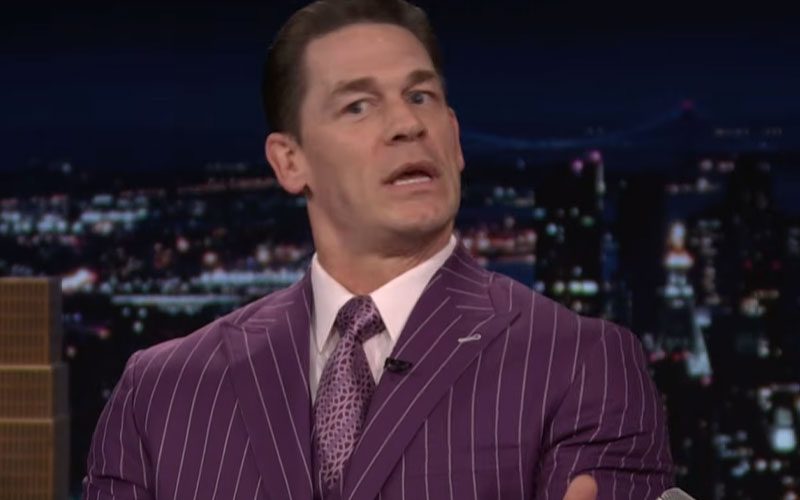
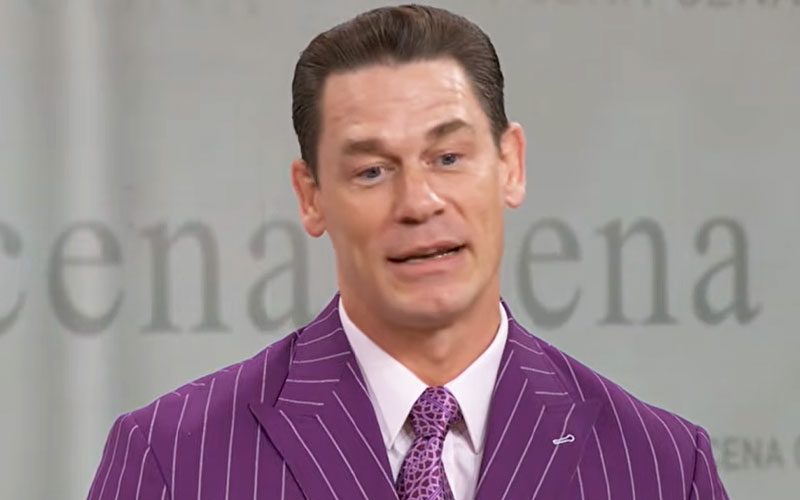
John Cena recently pulled back the curtain on one of the most recognizable looks in professional wrestling history. The jorts were never a deliberate fashion statement designed for a magazine cover. They were a functional necessity to prevent embarrassing ring malfunctions during his high-intensity bouts.
Early in his main event tenure, Cena experienced repeated issues with standard trunks and spandex failing under the strain of his explosive move set. Every time he went for a deep squat or a high-velocity lift, the material risked a catastrophic tear. He needed a fabric that could withstand the friction of a twenty-minute technical window.
I was getting my trunks ripped, and I was getting them torn off the back, and it was just a nightmare every single night. And I thought, well, I’m just going to wear denim.
This admission confirms that the switch to jean shorts was an act of damage control that accidentally birthed an aesthetic identity. By the time he moved away from the Prototype gimmick, the denim was already locked in. It transformed what should have been a temporary fix into a multi-decade branding anchor.
Why the fix became permanent
Cena’s pivot to denim during the mid-2000s reflects the pragmatism that defined his career. While his peers were iterating on elaborate new ring gear designs, he leaned into an outfit that telegraphed blue-collar reliability. It separated him from the more stylized, flamboyant performers who dominated the roster during that era.
However, from a purely athletic standpoint, the choice was bizarre. Wrestling in heavy, non-breathable fabric like raw denim created a significant temperature obstacle for any opponent working against him. The sweat retention alone made his gear notoriously heavy by the time the final bell rang on a pay-per-view match. It is a credit to his physical conditioning that he could deliver a clean Attitude Adjustment after twenty minutes of sweating into ten pounds of cotton.
A legacy built on utility
The jorts served as the uniform for the most dominant run in the history of the industry, yet many veterans still scoff at the aesthetic. Critics argue that the choice stunted his range of motion and limited his in-ring repertoire to moves that functioned within the constraints of denim. You rarely see a move requiring extreme hip flexibility or high-altitude agility from someone wearing stiff cuffs.
There is also the matter of the long-term impact on his peers. As reported by Ringside News, the transition away from technical gear was driven by total necessity rather than creative vision. When Cena finally moves fully into his post-wrestling career, those shorts will likely end up in a museum display. They remain one of the most accidental icons in professional sports history.
Looking back, the longevity of that look is baffling. It survived three different iterations of his character and outlasted almost everyone he shared a locker room with in 2004. Most performers struggle to make a gimmick last three years, let alone a fashion choice born from a fear of a wardrobe malfunction.
Whether you find the look iconic or a total eyesore, the numbers are hard to ignore. Cena’s merchandise, anchored by the denim look, generated over $1.5 billion in revenue during his peak years. It turns out that a recurring crotch problem in the ring can be quite profitable if you stick with it for long enough.
The era of the jort is officially ending as Cena winds down his appearances. It is a strange footnote to a hall-of-fame career that the most famous attire in the business came about because of cheap stitching. Sometimes the best character decisions are the ones made just to save your own dignity under the bright lights of a sold-out arena.
The reality is that fans stopped caring about the fashion choice as the quality of his main event work stabilized. By the time he was trading blows with Edge and Randy Orton, the denim was just part of the background. It became a neutral color in the theater of combat, proving that if you provide enough volume and consistency, the audience will eventually accept even the most questionable wardrobe choices as standard.
Ultimately, the jort saga highlights a disconnect between the fans and the performer. We spent years analyzing the symbolism of the denim, convinced it represented a specific working-class ethos that Cena was pushing. In reality, he was just trying to keep his gear together. It is a humbling reminder that even in the world of larger-than-life characters, the most significant moments are often triggered by the most mundane human failures.
Read Next
- John Cena is staying retired regardless of fan demand
- Top 10: WWE’s Most Surprising Personal Reveals
- John Cena's post-retirement reality check isn't just nostalgia
- Stephen A. Smith joining Roman Reigns is the fever dream we deserve
- 🏆 WrestleMania 41 — Full Coverage Hub
- 👴 John Cena Retirement Tour 2026