The technical master returns
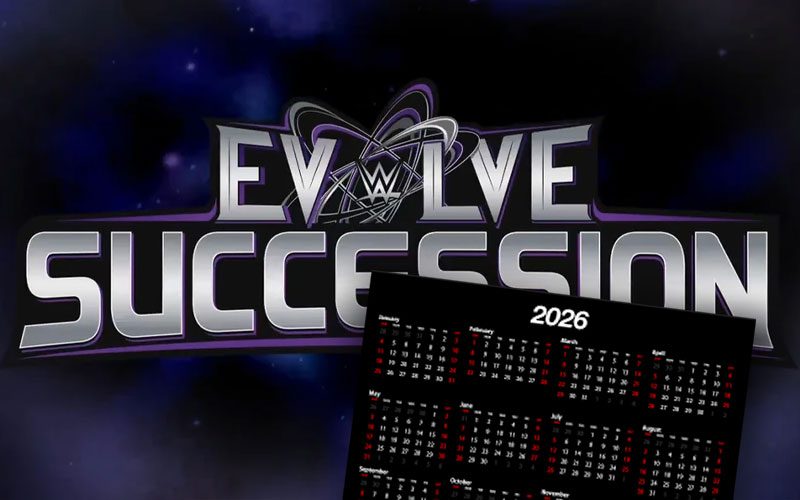
Timothy Thatcher is not interested in high-flying spots or pyrotechnics. He brings a brand of mat-based violence that strips wrestling down to its miserable, beautiful bones. With the announcement that WWE EVOLVE Succession III airs on June 17, 2026, the promotion is doubling down on the style that defined its modern resurgence.
Thatcher remains the anchor of the promotion. Watching him dismantle an opponent’s kinetic chain is a masterclass in limb manipulation. He doesn't just work a hold; he seeks out the structural failure point of the human shoulder or ankle. Opponents expecting a back-and-forth slugfest are usually checking into the infirmary by the ten-minute mark.
What success actually looks like
The Succession series has historically served as a proving ground for the roster’s upper echelon. This third installment carries expectations that far exceed the previous iterations. Management is leaning into the gritty aesthetic of the brand, hoping to capitalize on a market that is increasingly exhausted by the over-produced polish of larger weekly shows.
Technical flaws in the booking of the semi-main events have hindered momentum in the past. Too often, the promotion relies on interference or double-countouts to protect top talents, which robs the audience of a definitive conclusion. If Succession III replicates these habits, it risks alienating the purist demographic that keeps it afloat. Consistency is the only metric that matters at this level.
The math of the main event
Thatcher’s presence in the ring shifts the win probability for any opponent sharply downward. He relies on a high-percentage game of transition offense, often forcing submissions that require zero reliance on ref interference or ropes breaks. He is a predator who prefers the center of the ring, where space is limited and options are non-existent.
The current projected main event focuses on this relentless pressure. Expect at least 30 minutes of stiff strikes and ground-grappling sequences meant to stress-test the opponent's cardiovascular output. Thatcher enters this match with a focused, calculated intent that makes him nearly impossible to prepare for on short notice.
My call? Thatcher wins via submission before the 20-minute mark. Any other result feels like an outlier, not a shift in the hierarchy. The man is simply too surgically precise for his current peers to handle during a sustained exchange.