Jinder Mahal is doing what wrestling promoters never bothered to do
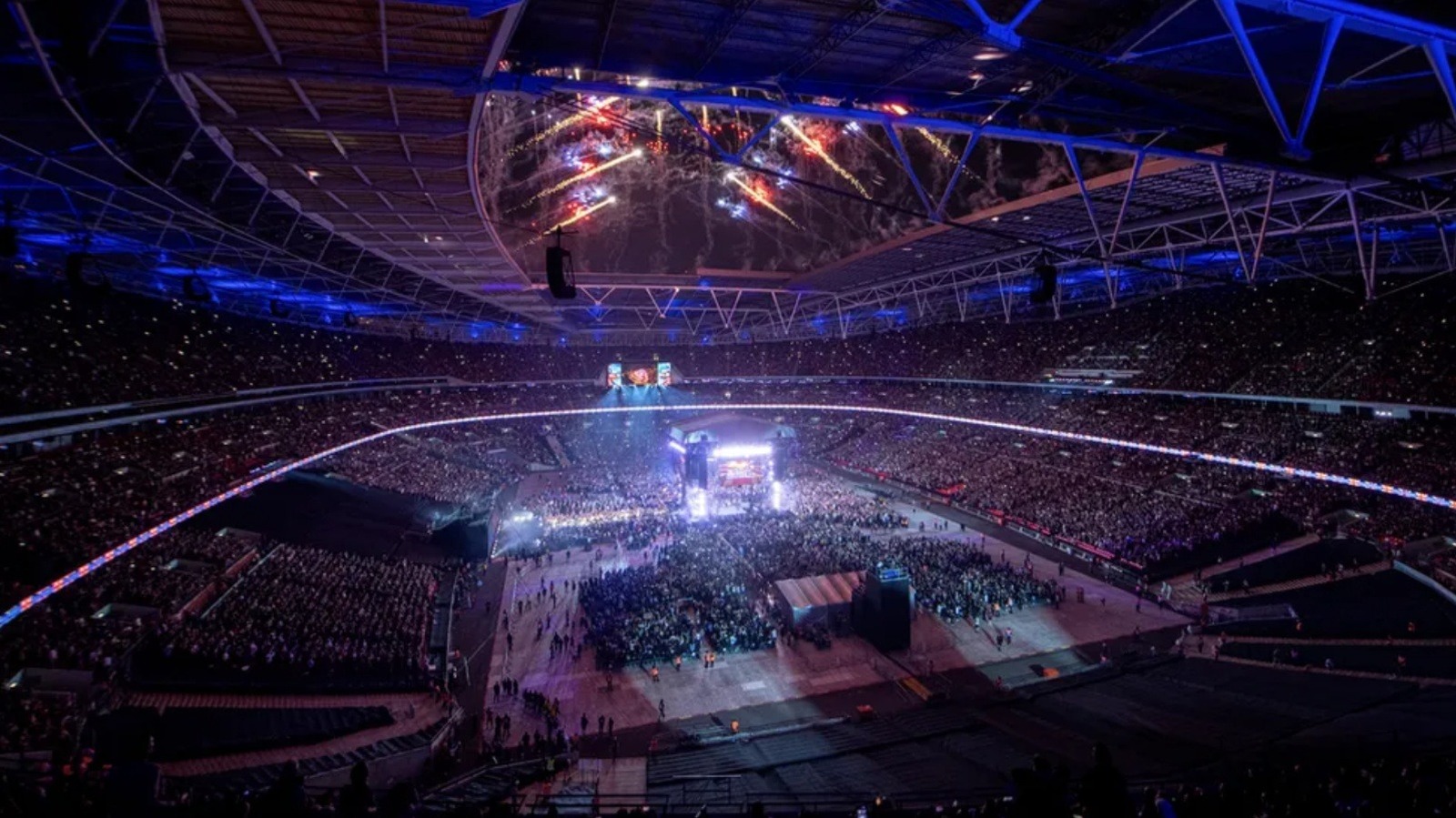
The Reality Behind the Stadium Lights
WrestleMania 41 is exactly 21 days away. The professional wrestling industry is currently riding its highest financial wave since the late nineties. We are operating in an era of massive media rights deals, sovereign wealth fund interventions, and sold-out international stadiums.
The sheer scale of the money flowing into the top promotions is staggering. Over in All Elite Wrestling, they are already mapping out their return to Wembley Stadium. Dave Meltzer is currently breaking down ticket sale projections and speculating on the main event for AEW All In on August 30. We are talking about gates that easily clear eight figures for a single night of wrestling.
When you read Meltzer's breakdowns of an event like All In at Wembley, it is easy to get blinded by the gross numbers. He is analyzing potential gates that could threaten the $10 million mark. He is looking at merchandise per-capita numbers that suggest fans are emptying their wallets the moment they walk through the turnstiles.
But the trickle-down economics of a stadium show are notoriously uneven. The performers in the main event will walk away with massive, career-altering bonuses. The talent working the pre-show, or filling out the early multi-man matches, are often working for their standard weekly rate.
They get the prestige of performing in front of eighty thousand people, but prestige does not pay the quarterly tax estimates. The illusion is that everyone on the card is getting rich. The reality is that the wealth gap within a single wrestling locker room is wider than almost any other sector of the entertainment industry.
The Pragmatic Exit of Raj Dhesi
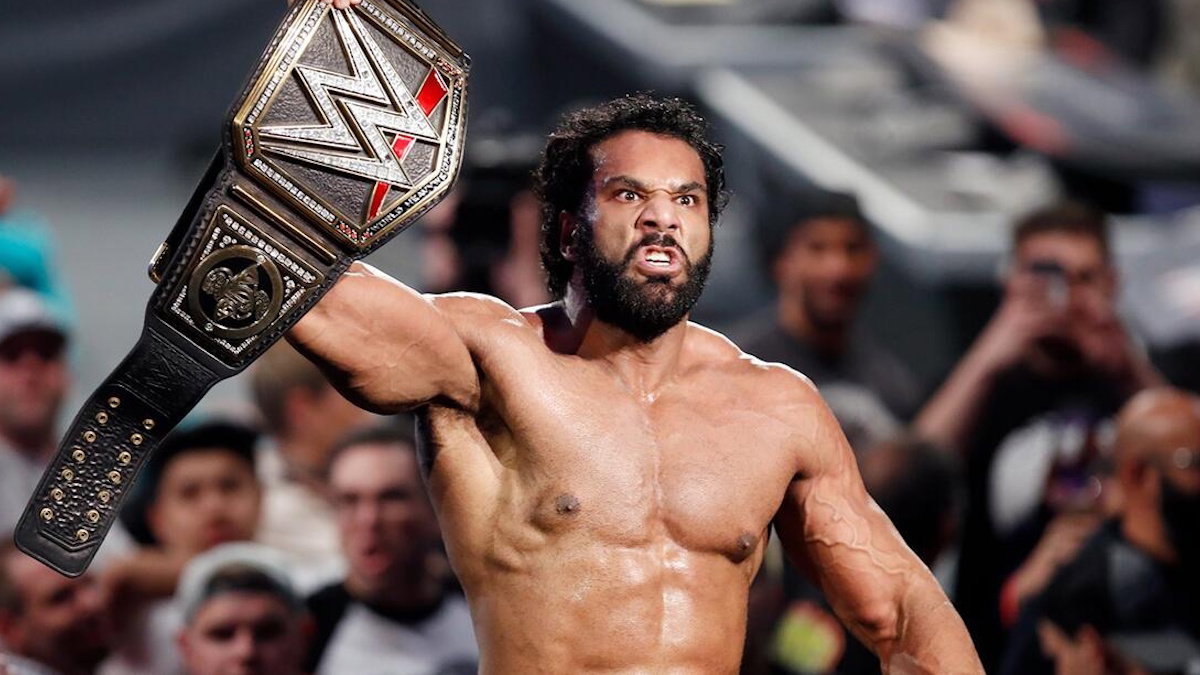
This is precisely where Raj Dhesi enters the picture. You likely know him best as Jinder Mahal, the former WWE Champion who shocked the wrestling world with a sudden main event push in 2017. He left WWE in 2024, ending a lengthy and varied run that saw him experience virtually every level of the card.
When his release was announced, he didn't immediately hit the independent circuit to air grievances on a bitter podcast. He didn't desperately try to use his former status to force a hasty debut elsewhere.
"It was time to go."
That utter lack of bitterness or panic from Dhesi's recent reflections is rare in this industry. It usually points to a talent who planned their exit long before the front office made the phone call. It makes perfect sense when you look at his next, highly unconventional move.
Dhesi has pivoted completely away from the standard post-WWE playbook of signing autographs at local armories. Instead, he has launched a financial education series aimed specifically at professional wrestlers. He is sitting down and breaking down retirement account options for an industry desperately in need of basic financial literacy.
The 1099 Trap and the Tax Burden
To understand why Dhesi's initiative is so vital right now, you have to look closely at the mechanical reality of a standard wrestling contract. A typical mid-card WWE or AEW talent receives a downside guarantee. Because they are 1099 independent contractors, they are entirely responsible for their own tax burden, alongside a relentless list of operating expenses:
- Domestic rental cars and weekly fuel costs
- Four nights a week in commercial hotels
- Specialized, constantly updated ring gear
- Private, unsubsidized health insurance premiums
They are immediately hit with the self-employment tax, on top of standard federal and state income taxes. That gross downside number shrinks dramatically before it ever hits a checking account. A mid-card talent making a respectable baseline salary can easily spend forty percent of their net income just facilitating their grueling travel schedule.
This is the harsh, unglamorous reality of being a working contractor in sports entertainment. If you are not aggressively stuffing cash into a SEP IRA or a Solo 401(k), you are setting yourself up for an absolute disaster post-retirement. The IRS does not care if you were the Intercontinental Champion; they only care if you paid your quarterly estimates on time.
The Absence of Collective Bargaining
Compare the financial reality of wrestling to literally any other major televised sport. The NBA, the Premier League, the NFL—they all operate under union agreements. These agreements ensure minimum salaries, post-career medical care, and robust, collectively bargained pension plans.
Professional wrestlers have none of this. Every single performer negotiates as an island. This leaves the vast majority of the locker room entirely vulnerable to the whims of the promoter and the cyclical, fickle nature of audience interest.
A talent might make high six figures one year thanks to a hot merchandise run, and find themselves released the next following a creative reshuffle. It is an industry built on extreme financial volatility. Dhesi recognized this volatility and has clearly engineered a system to insulate himself from it.
He experienced the highest possible tax brackets when he carried the WWE Championship around the globe. He also experienced the financial grind of the lower card and the developmental system. He knows exactly how fast the big money comes in, and more importantly, how violently fast it leaks out through bad planning.
Breaking Down the Boring Math
Let's look closely at the actual, boring math that Dhesi is likely trying to teach his peers. A television wrestler earning $250,000 a year sounds incredibly wealthy to the average fan watching at home. It sounds like life-changing money.
But after deducting the self-employment tax penalty, federal taxes, state taxes across multiple jurisdictions, and eighty grand in annual road expenses, the actual take-home pay is alarming. It is a solid upper-middle-class living, but it is absolutely not endless generational wealth.
If that same wrestler suffers a catastrophic neck injury, the immediate medical bills might be covered by the promotion, but the ancillary income stops immediately. Merchandise bonuses dry up. The lucrative video game royalties fluctuate wildly. The base downside guarantee is all that remains, and that guarantee only lasts until the contract expires.
This is exactly where compound interest and specialized, tax-advantaged accounts become absolute survival tools. By aggressively funneling a percentage of that volatile income into a retirement vehicle early in their career, a wrestler creates a vital buffer against their inevitable release day.
The Illusion of Television Wealth
There is also a deeply ingrained psychological trap within the locker room culture itself. When a young talent finally makes it to national television, there is an immense, unspoken pressure to look the part. You are on global television; therefore, you must look like a global television star.
This leads directly to the lifestyle inflation that has bankrupted athletes across every major sport. It starts with a leased luxury SUV to drive from town to town. Then it escalates to a massive mortgage on a house in a gated community in Florida.
Throw in custom-made boots that cost thousands of dollars per set, high-end watches, and the expectation to pick up the tab at the bar after the show. The money vanishes in a blur of forced status. The illusion of wealth rapidly outpaces the actual math of their contracts.
Dhesi's educational series is directly combating this specific cultural rot. He is trying to break the stigma of being frugal in a business built entirely on flashy presentation. Teaching a twenty-five-year-old hot prospect to prioritize a Vanguard index fund over a customized Rolex is arguably harder than teaching them how to work a main event match.
The Corporate Disconnect
There is a glaring, uncomfortable disconnect between the massive corporate valuation of these wrestling companies and the long-term financial security of their actual workers. TKO Group Holdings, the parent company of WWE, boasts a market capitalization deep into the tens of billions of dollars.
AEW is securing massive rights fees from media conglomerates to produce hours of weekly television. Yet, the responsibility for long-term financial planning is pushed entirely, 100 percent, onto the talent taking the physical risks. The promoters have historically benefited heavily from a financially desperate locker room.
A wrestler who desperately needs next week's paycheck to cover an oversized mortgage is a wrestler who is easily controlled. They will agree to a humiliating angle, they will take a dangerously unnecessary bump, or they will quietly work through a severe, career-shortening injury.
Financial independence creates negotiating power. Dhesi is quietly attempting to arm the roster with that exact power. If a wrestler has a maxed-out retirement account, zero bad debt, and a diversified investment portfolio, they can negotiate their next contract from a position of absolute strength. They can simply walk away.
A Pragmatic, Unlikely Legacy
When wrestling historians look back at Raj Dhesi's in-ring legacy, it will likely be defined by that heavily scrutinized, six-month run with the WWE Championship. Reviewers often point to that specific reign as a purely cynical, forced experiment by management to crack the lucrative Indian television market.
Fans endlessly criticized his match quality, his limited move set, and his sudden, jarring ascension up the card from a pure enhancement role. But that common criticism completely misses the actual point of his career arc.
Dhesi understood the corporate assignment perfectly. He got himself into incredible physical shape, he played the exact antagonistic character he was handed, and he maximized his peak earning potential during a very brief, unpredictable window of opportunity.
He didn't complain to the dirt sheets when he was eventually pushed back down the card. He simply kept cashing the downside checks, taking the dates, and, quite obviously, managing his money exceptionally well. Now, he is attempting to pass that pragmatic playbook onto the next generation of workers.
While fans on the internet obsess over work rate, star ratings, and fictional promotional wars, the actual talent is quietly worried about paying off their houses before their knees completely give out. Raj Dhesi might actually be doing the most important, impactful work of his entire career right now, without ever having to lace up a pair of boots.
WWE Elite Collection Series 108 - CM Punk Action Figure
The Best in the World, immortalized in premium plastic.
Frequently Asked Questions
Who is Raj Dhesi in professional wrestling?
What is Jinder Mahal doing after leaving WWE?
Why do professional wrestlers need financial education?
How does the pay structure work for a stadium wrestling show?
When did Jinder Mahal leave WWE?
More Coverage
The tactical void of the Nick Aldis vs. Gunther SummerSlam booking
35 minutes ago
The AAA on Fox mess is exactly why we can't have nice things
an hour ago
Revisiting the matches that set the industry standard
an hour ago
Top 10 CM Punk Moments: Ranking the Controversies and Classics
an hour ago
Why the AEW versus WWE shoot-style era is just getting started
3 hours agoNick Aldis is playing us all for fools
5 hours agoMore Analysis
Jinder Mahal: Financial Guru or Just Another Monday Night Mirage?
2 months, 2 weeks agoJinder Mahal is the unlikely talent scout we didn't know we needed
6 days, 21 hours ago
The churn of former WWE talent and the economics of the indie circuit
1 month, 2 weeks ago
Jinder Mahal's career shows the cost of guarding kayfabe
1 month, 1 week ago
Jinder Mahal's big regret and the AEW rumors have fans losing their minds
3 months, 3 weeks ago