The money math that makes zero sense
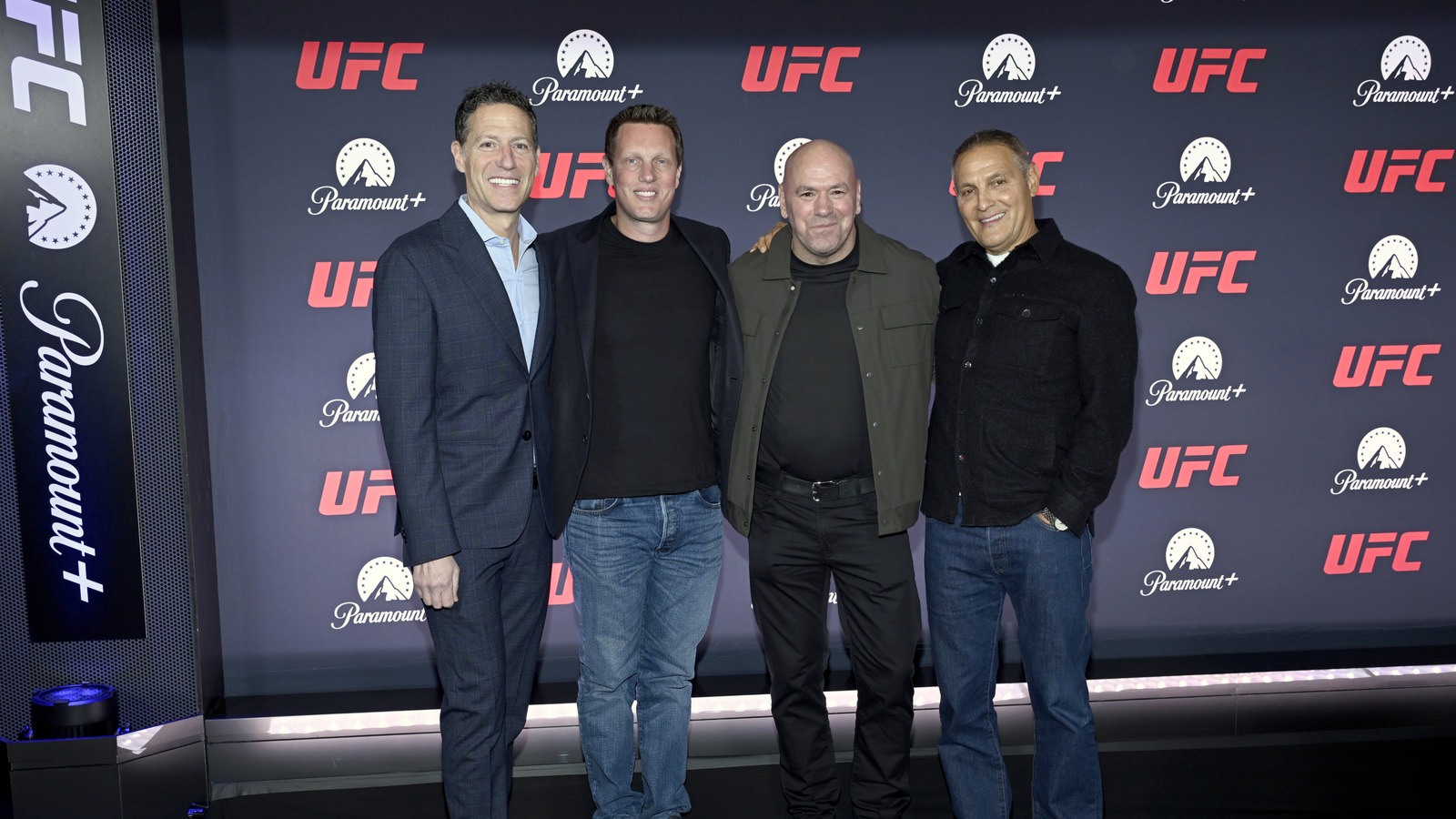
Listen, I’ve been staring at the financials for the Paramount and UFC deal since the ink dried, and I think I’ve developed a migraine. Luke Thomas—a guy who usually cuts through the industry garbage like a hot knife through butter—is absolutely right to be losing his mind over this. He recently pointed out the sheer absurdity of the deal on his show, and frankly, I’m still waiting for someone to explain how this makes any sense for the bottom line.
The core question is simple: where is the profit for Paramount? We are talking about a media giant betting big on a product that doesn’t always align with their core distribution strategy. It feels like someone in a boardroom watched a highlight reel of a 30-second knockout and decided to throw a mountain of cash at the screen without checking the quarterly projections. It’s like buying a supercar when you live in a cul-de-sac with speed bumps every three feet.
Some of the stans online are convinced this is a stroke of genius. You’ve got the 'growth at all costs' crowd acting like this is the play of the decade. They talk about viewership spikes and brand alignment as if they are sitting on the board of directors. But looking at the actual numbers? It smells like a panic move from a company that doesn’t have a coherent streaming plan.
The fan divide is getting ugly
Go check the forums; the scene is pure chaos. You’ve got the casuals who just want to see main cards without jumping through ten different app hoops, and then you have the cynical lifers who know exactly how these broadcast marriages usually end. The skeptics are rightfully calling out the lack of transparency, while the contrarians are out here calling it a visionary pivot. It’s the kind of discourse that makes me want to log off, delete the app, and move to a cabin with no fiber optic connection.
One prominent argument from the optimists is that the UFC brings an audience that actually stays tuned in. They argue this is a play for live sports dominance in a market where scripted content is dying a slow death. Sure, that works if you’re pulling in massive gate numbers, but for a broadcaster? You are at the mercy of fight cards that can totally dud out. If you’re banking on a heavyweight title fight and the main event ends in a boring clinching fest at 25 minutes, you’re stuck with a dead block of programming that nobody wants to rewatch.
Then there’s the group that thinks the creative control issues will eventually boil over. When you have a massive corporation trying to squeeze value out of a product owned by an entity that is already famously protective of its image, things start to crack. We’ve seen this before in other sports partnerships. If Paramount starts dictating content pacing or ad breaks to fit their broadcast flow, you are going to see the fans revolt. Nobody wants their cage-side brawls interrupted by mid-round insurance commercials.
My take on the wreckage
Here is where I land in the mud: Luke Thomas is the only one in the room acting like an adult. Everyone else is treating this like a fantasy booking scenario, completely ignoring the fact that these companies are bloated entities trying to justify their own existence to shareholders. When a deal is this opaque, it’s usually because the logic is circular. They are betting that the prestige of the UFC brand will somehow magically fix their subscriber churn, which is a gamble that rarely pays off in the long run.
The strength of the skepticism here is massive because it’s based on history. If you look at how other networks have failed to monetize high-intensity combat sports without alienating the core audience, it’s a graveyard. You can’t just slap a famous logo on your streaming platform and expect the bank accounts to fill up overnight. You need infrastructure, you need retention, and you need to not annoy the people paying for the service.
If they wanted a win, they should have focused on accessibility and better original content around the fighters, not just overpaying for the rights to the circus. WrestleMania 41 is just 3 days away, and while that spectacle will generate massive noise, it’s a singular event. Relying on the UFC to keep a platform alive every single Saturday while managing the bloat of a legacy network is a recipe for a first-round submission. Unless they have a secret playbook about to drop, this is going to be a long, painful fight, and right now? Paramount is looking like a heavyweight who forgot to train for cardio.