Blaydes sidelined following Hokit clash
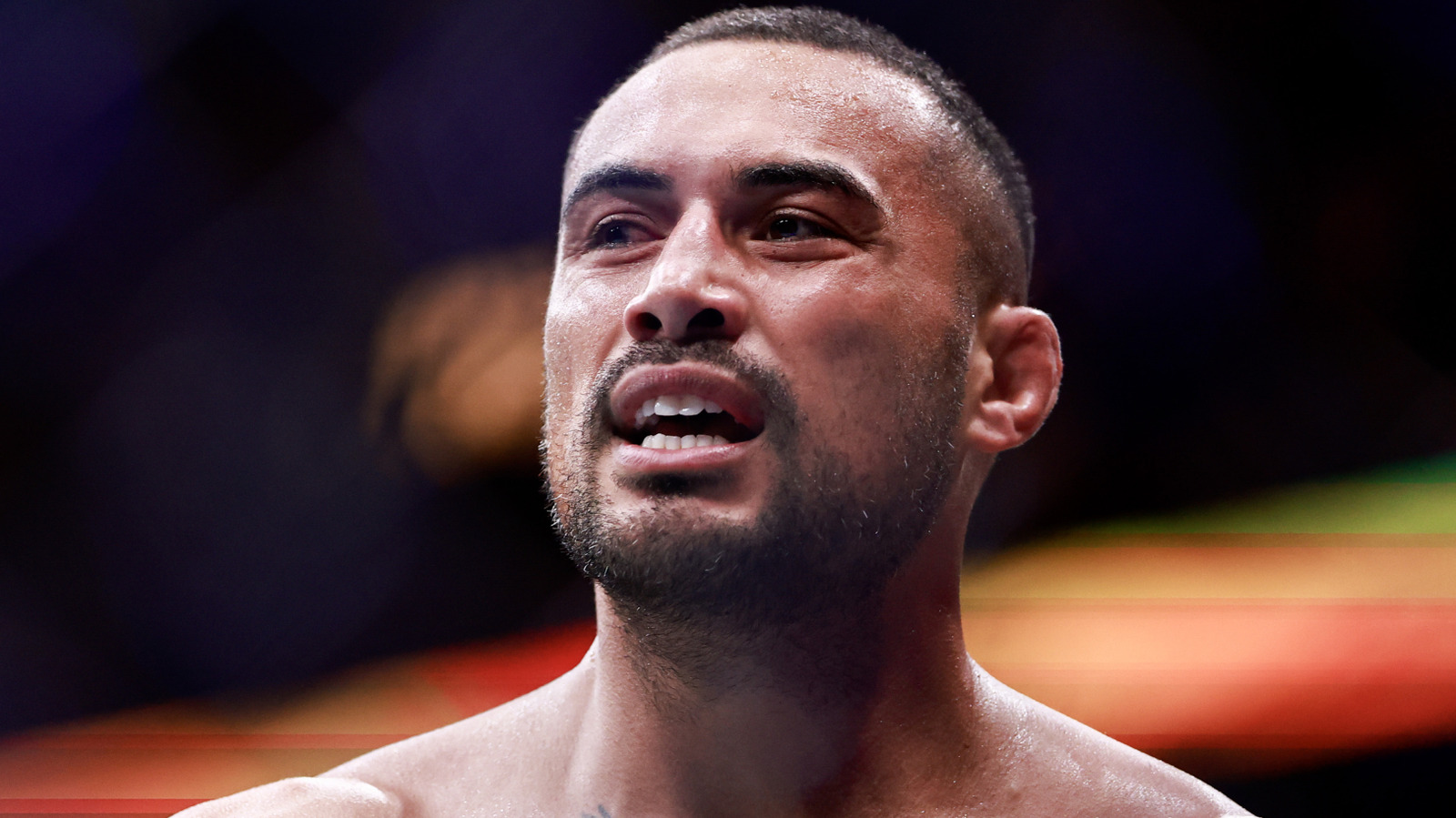
The aftermath of UFC 327 continues to ripple through the heavyweight division. Curtis Blaydes, coming off a difficult outing against Josh Hokit, has officially entered a medical recovery phase following sustained injuries in that contest.
Management confirmed the heavyweight sustained multiple orthopaedic concerns throughout the bout. The damage is significant enough to pull him from training rotation for the immediate future. Medical staff have mandated a recovery window that effectively rules out any competition before late 2026.
The medical reality of the loss
This news follows a recent update from the Blaydes camp regarding the wear and tear accumulated during the three-round struggle. Heavyweight bouts at this level often hide the severity of trauma until the adrenaline fades. Blaydes is now tasked with managing the joint inflammation that routinely plagues veteran grapplers.
His loss at UFC 327 was already a blow to his standing in the divisional hierarchy. Now, the momentum shift is compounded by physical stagnation. For a fighter who relies on wrestling volume, these specific injury constraints are particularly damaging to his style.
Contextualizing the damage
Fighting at the level of UFC 327 places extreme load on the lower back and knees. Historically, heavyweights who sustain similar structural injuries often struggle to replicate their pre-injury explosiveness upon return. We saw parallels in the division two years ago when similar lateral injuries sidelined top-ten contenders for upwards of eight months.
The recovery process here is tedious. It requires a slow build-back of kinetic chain stability before Blaydes even steps near a sparring partner. Rushing this would be a catastrophic errors in judgment. Fans should not expect to see him on a main card during the initial summer push.
Strategic impact on the heavyweight ladder
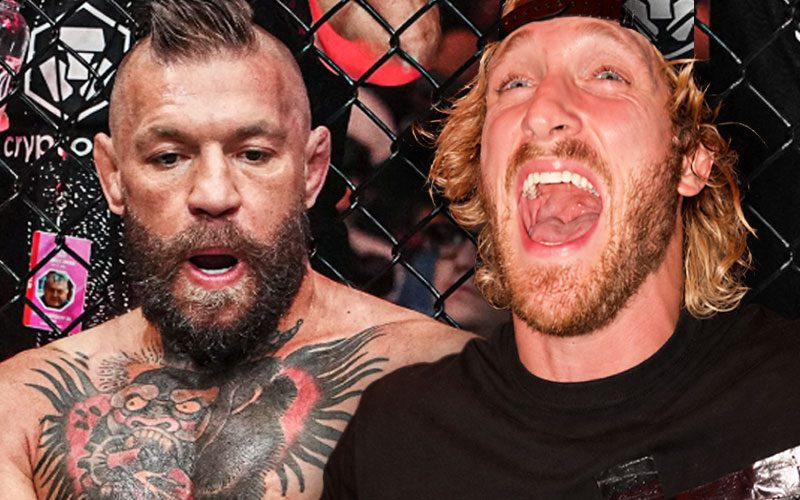
UFC 327 was a transformative night for the organization, marked by controversial headlines regarding political figures in attendance. While public discourse focused on the VIP guest list, the competitive integrity of the weight class took a hit. Blaydes dropping out of active rotation thins the field for late-year challengers.
The divisional top-ten rankings recently saw significant movement, and Blaydes remaining stagnant in the medical bay creates a vacuum. Other contenders will inevitably look to exploit this window of inactivity to climb the ladder while he remains sidelined.
A critical look at the medical timeline
The lack of a specific surgical intervention requirement is the only positive here. Still, the rehabilitation protocol is notoriously taxing. By choosing the conservative route, his team is prioritizing longevity over a quick return to the cage.
Is this a mistake for a fighter in his prime? It is a fair critique. The heavyweight division moves with brutal velocity. Every month spent in rehab is a month the younger, rising prospects use to build their resume and move past him in the queue.
Consistency remains the absolute separator in elite MMA. When a fighter of Blaydes' caliber enters a forced hiatus, the transition back to the top-tier of the rankings is rarely linear. He will return to a field that has likely already pivoted toward newer, fresher narratives.
For now, the focus shifts to internal healing. The timeline remains fixed on a return, but the actual performance ceiling upon his return is the real variable. He is currently looking at a minimum recovery period of six months before he can begin full-contact preparation.