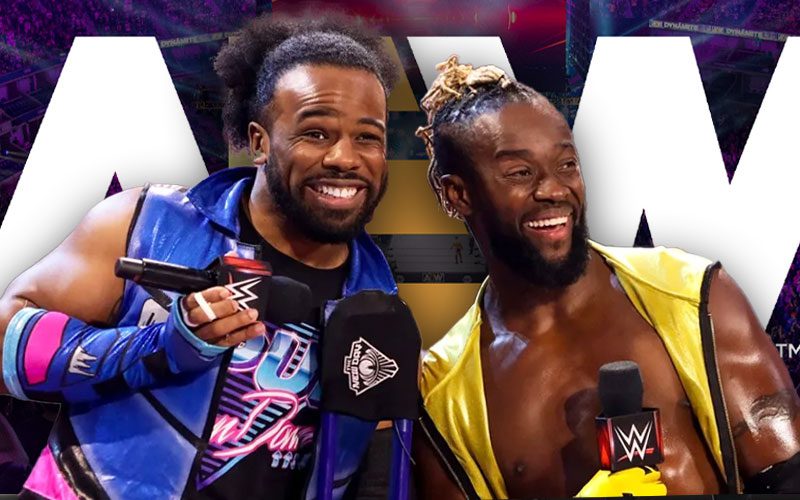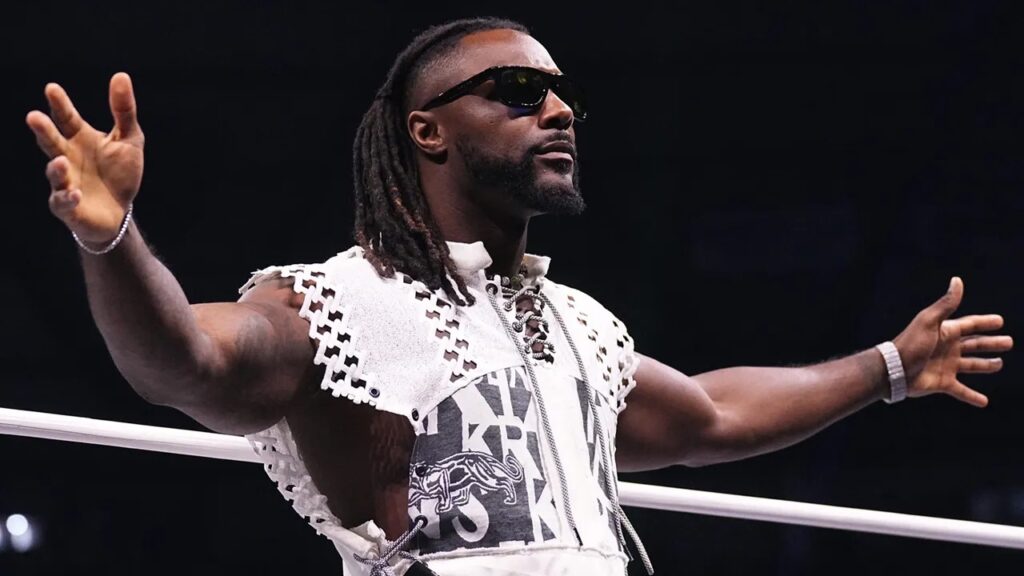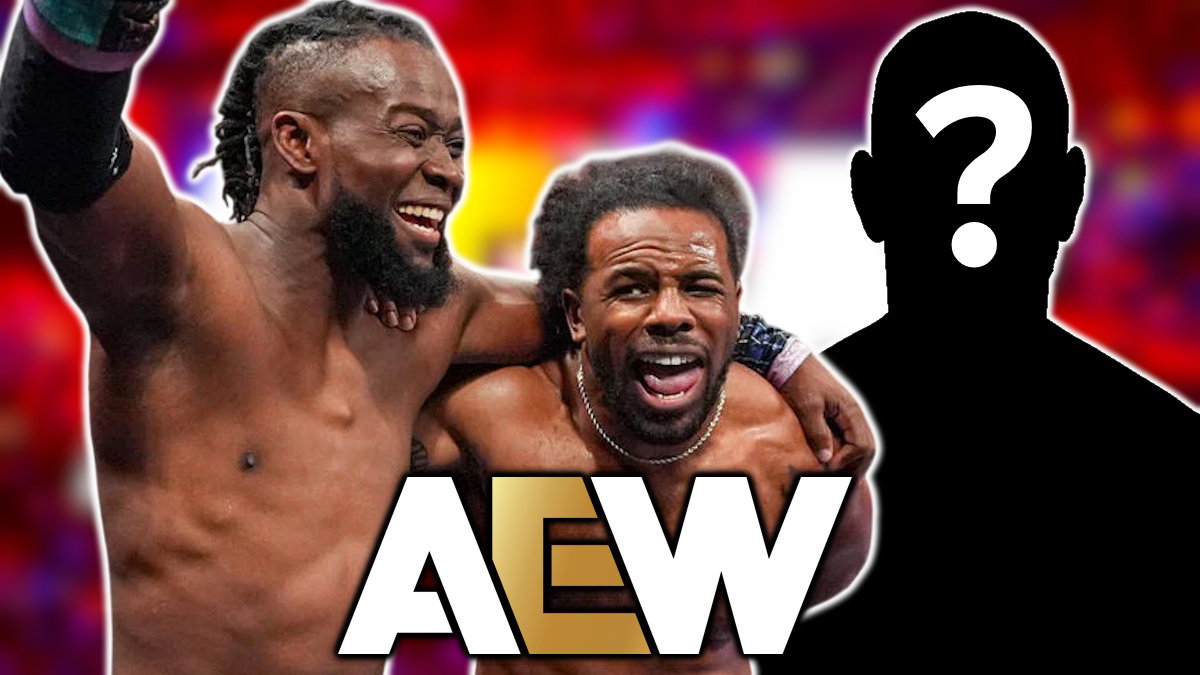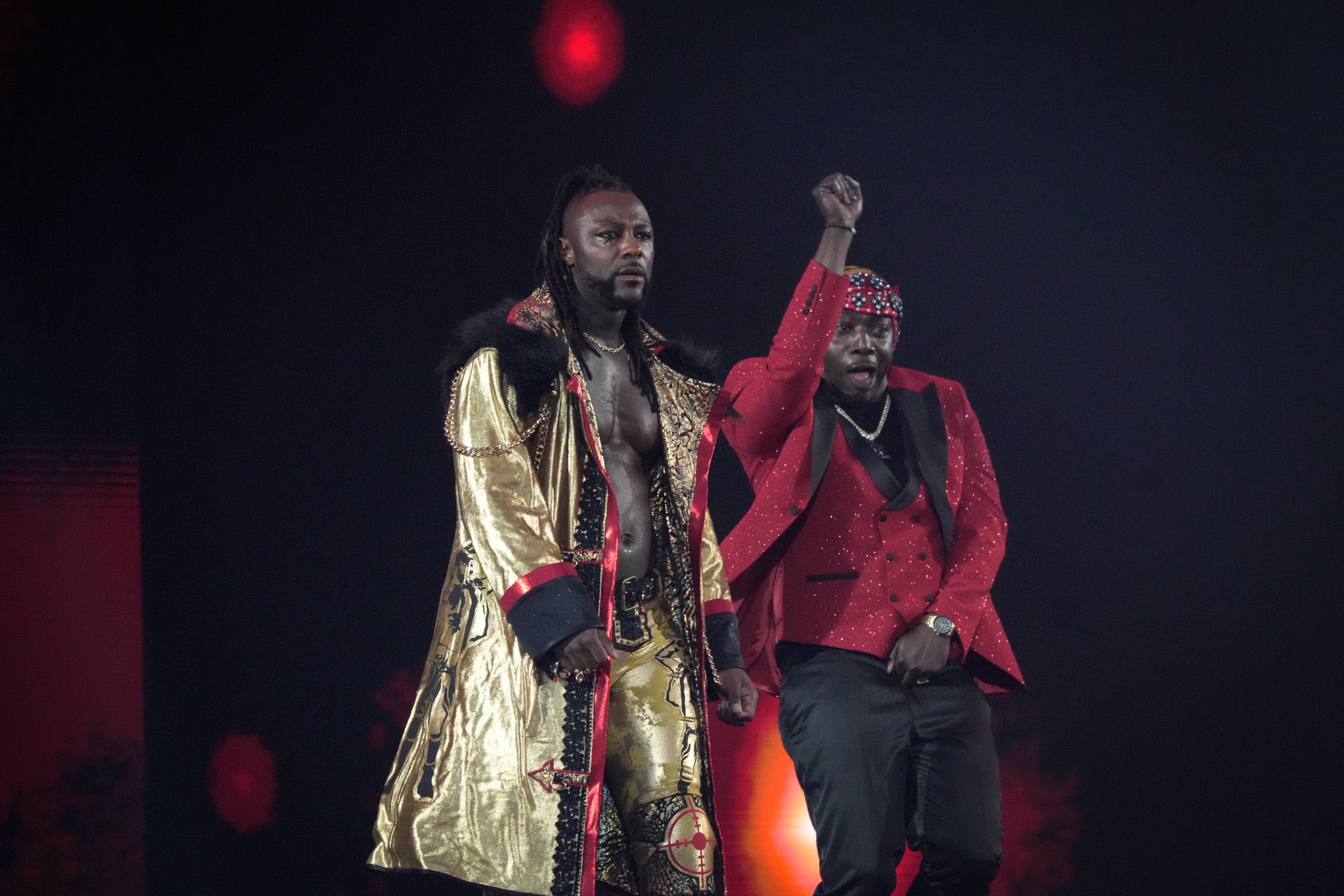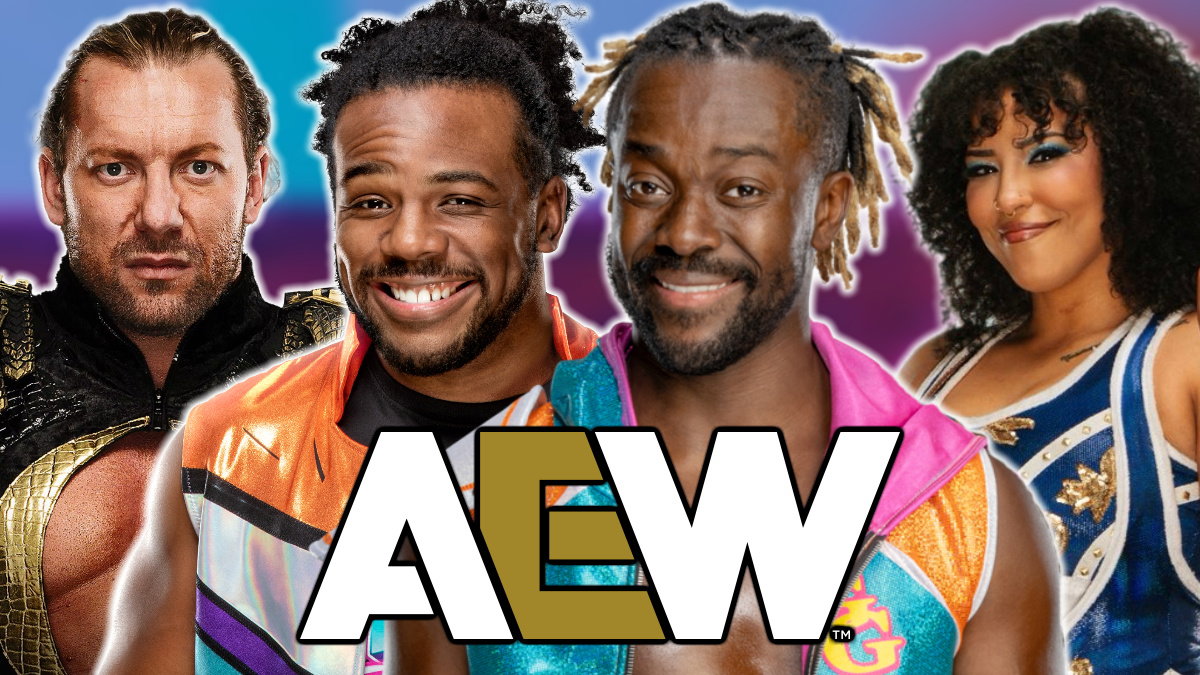
On May 2, the professional wrestling industry watched an anomaly finally break apart. News broke that The New Day had mutually parted ways with WWE, ending a 12-year run that defied every historical trend in sports entertainment. The immediate reaction across AEW circles has been pure excitement, and predictably so.
But if you strip away the nostalgia and look purely at the data, the departure represents a massive shift in television economics for both companies. The New Day wasn't just a tag team. They were an institution of television time, a merchandise machine, and a statistical outlier in a business built on betrayal and quick roster turnover.
The Improbability of a 12-Year Run
To understand what WWE is actually losing, you have to look at the baseline survival rate of a modern wrestling faction. Based on television data from the last two decades, the median lifespan of a WWE tag team or stable before a draft split, release, or internal feud is roughly 16 months.
Kofi Kingston, Xavier Woods, and Big E stayed together for 144 months. They completely broke the curve.
During that period, they racked up 12 tag team championship reigns. They anchored the division through multiple eras, transitioning from the Authority days straight through the peak of the Bloodline saga. Their 483-day title reign between 2015 and 2016 reset the modern standard for division dominance. It forced WWE to acknowledge long-term booking in a tag division they historically treated as an afterthought.
Putting 12 Reigns in Perspective
To truly grasp the magnitude of 12 title reigns, you have to look at the historical data. The Hardy Boyz managed nine tag team championship reigns during their entire run. Edge and Christian secured seven. The Dudley Boyz hold the official WWE record with nine reigns in their original run.
The New Day blew past all of them. They secured 12 reigns in a single continuous 12-year stretch, without ever fully breaking up or having a bitter, blood-feud split. Statistically, the odds of three performers staying healthy, staying over with the crowd, and staying aligned for 144 months are microscopic.
While The Usos eventually eclipsed their longest consecutive day milestone, the sheer volume of The New Day's output remains unmatched. They wrestled in well over 1,000 matches together across television and untelevised live events. They ate up thousands of hours of programming.
When a script fell apart or a segment ran short, WWE could send Kingston and Woods out to the ring for a reliable 12-minute match. Finding a replacement for that level of mechanical consistency on live television is incredibly difficult.
The Declining Output
However, a purely analytical view also reveals why a mutual parting made sense for WWE's current bottom line. The act had noticeably cooled, and the metrics prove it.
The numbers shifted drastically after Big E suffered a severe neck injury in 2022. As a trio, they possessed a unique physical geometry. Stripped down to a duo for the last four years, the data shows a sharp decline in their win percentage. They dropped from winning roughly 65% of their televised bouts as a trio to hovering around a 45% win rate as a traditional tag team.
If you chart their quarter-hour television ratings and match placements over the past 24 months, the trendline points downward. By late 2024 and through 2025, they were no longer commanding main event segments. Their average match time on Raw had quietly slipped from the 14-minute range down to roughly seven minutes.
Between WrestleMania 38 and WrestleMania 40, their presence on Premium Live Events dropped by roughly 60% compared to their peak run. They went from defining the tag team main event scene to barely making the cut for a five-match PLE card. With WWE Backlash just six days away on May 9, the timing of the release ensures they won't cast a shadow over the immediate premium live event cycle.
The truth is, the gimmick felt stale. WWE's current creative direction leans heavily into cinematic drama and gritty realism. Throwing pancakes and wearing unicorn horns felt like an artifact from a previous decade. The creative team clearly ran out of fresh matchups, cycling them through endless, repetitive feuds with mid-card teams that rarely moved the needle.
If you look at the aggregate match ratings tracked by major wrestling databases, The New Day's average rating peaked in 2018. Those matches regularly hit the four-star threshold. Since 2022, their televised tag bouts have averaged closer to 2.5 stars. The work was still fundamentally sound, but the urgency had vanished. They were wrestling the exact same match they wrestled five years ago, hitting the exact same transitional spots.
From a financial perspective, WWE management likely looked at their contract valuations and their current spot on the card. Keeping veteran, high-priced talent on the roster just to work the opening match on live events is poor cap management. The mutual release allows WWE to clear significant salary overhead.
AEW's Tag Team Math
For Tony Khan and AEW, the math looks very different. WrestleTalk noted the shock of the May 2 departure, but the fit on paper is undeniable.
AEW's tag team division was once the analytical darling of the promotion. In 2020 and 2021, AEW tag matches regularly averaged over 15 minutes and routinely pulled the highest star ratings on the card. In 2021, AEW featured an average of 1.4 tag team matches per week that exceeded the 15-minute mark.
By late 2025, that number had plummeted to 0.4. The division simply isn't getting the reps or the television priority it used to.
Today, that division is highly fragmented. The Young Bucks are wrestling a heavily reduced schedule. FTR has battled injuries and inconsistency. Bringing in a legacy act instantly injects stability. But the real value lies in the upcoming calendar.
According to a Friday report from Wrestling Inc, additional details have surfaced regarding a rumored new AEW summer pay-per-view. The event is slated for July in Montreal, tentatively titled "Redemption."
This is where the financial justification for signing The New Day materializes. AEW currently runs a dense pay-per-view schedule. Maintaining buyrates across an expanded calendar requires constant, massive hooks. A new July event needs a major drawing point to avoid cannibalizing the audience for August's stadium shows.
The Buyrate Bump
Historically, major ex-WWE debuts in AEW generate a measurable surge in pay-per-view buys. When top-tier talent arrives, the corresponding events often see buyrates jump by 15% to 25% over the established baseline.
While The New Day won't drive the same singular metric spike as a returning world champion, their value lies in casual fan retention. They bring a built-in fanbase that might not regularly tune into Dynamite, but will pay $49.99 to see a first-time dream match against The Young Bucks.
If "Redemption" is expected to draw a baseline of 110,000 buys, a heavily promoted New Day debut match could realistically push that number closer to the 130,000 mark. That extra 20,000 buys translates directly to roughly $1 million in gross revenue for a single night.
The Demographic Risk
Despite the obvious upside, there is a distinct analytical risk in this acquisition. AEW's core viewership demographic does not perfectly align with The New Day's historic fanbase.
At their peak in 2016 and 2017, industry insiders estimated The New Day was moving upwards of $3 million annually in merchandise. They proved that you didn't need to be a stoic, silent fighter to sell t-shirts. But translating that specific commercial magic to the typical AEW crowd is a wildly different calculus.
AEW's live crowds skew significantly older and male. They attend shows expecting physical, violent, high-workrate matches. The colorful, highly produced aesthetic that made The New Day a commercial juggernaut in WWE might clash with the grittier presentation of Collision.
There is also the physical toll to consider. Xavier Woods is pushing 40. Kofi Kingston is deeper into his 40s. They are entering the twilight of their athletic primes. AEW’s tag team style requires a much higher bump rate and a faster pace than the standard WWE television formula. Asking a 44-year-old Kingston to match the velocity of Top Flight or Private Party on a weekly basis is a recipe for injury. If Tony Khan signs them, he must manage their minutes strictly, deploying them as special attractions rather than weekly workhorses.
They will have to adapt. If they roll out in Montreal doing the exact same trombone routine they did in 2018, the notoriously vocal AEW audience might reject them. The data shows that AEW fans reward reinvention, but they punish acts that feel like recycled WWE mid-carders.
The Next 10 Weeks
Tony Khan now has a math problem to solve. With AEW Double or Nothing coming up on May 24, he has exactly 21 days to decide if he wants to rush a debut for an immediate pop, or play the long game. The smart statistical play is to hold them back.
Let the shock of the May 2 release simmer. Let the AEW tag division continue to thin out organically. Build the television narratives slowly toward the new July event in Montreal.
If the cards fall correctly, AEW isn't just acquiring a tag team. They are buying 12 years of baked-in credibility, thousands of hours of television experience, and a direct pipeline to a casual audience they have struggled to capture.
The numbers suggest it is a gamble worth taking, even if the final months of their WWE run showed undeniable signs of rust. The 12-year anomaly is over, and the next calculation is just beginning.