Measuring the gravity of the ring
Pro wrestling operates on a cycle of tectonic shifts and quiet collapses. These ten moments defined eras, altered business models, or simply transcended the typical scripted output.
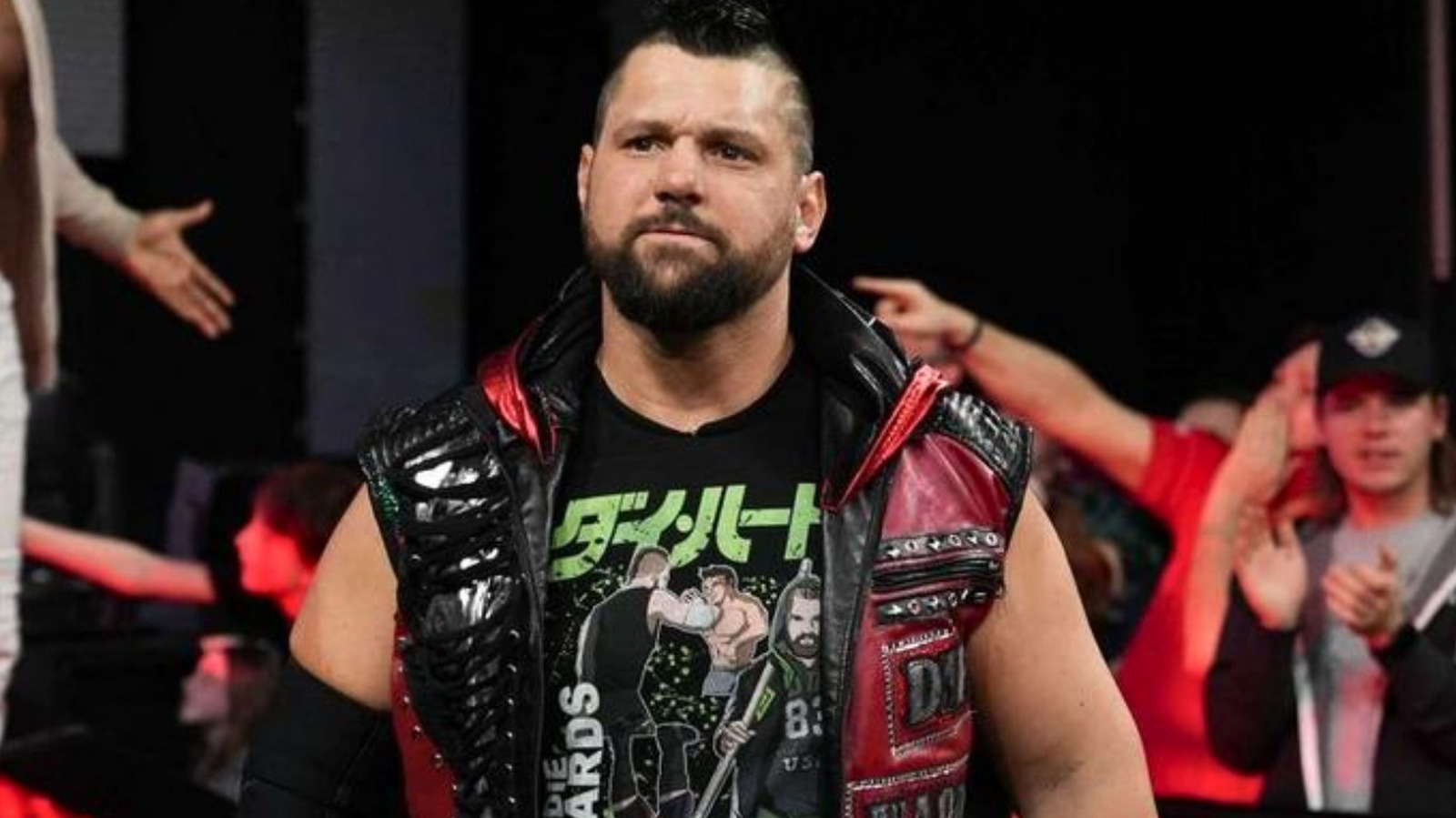
10. Eddie Edwards on the TNA-WWE pipeline
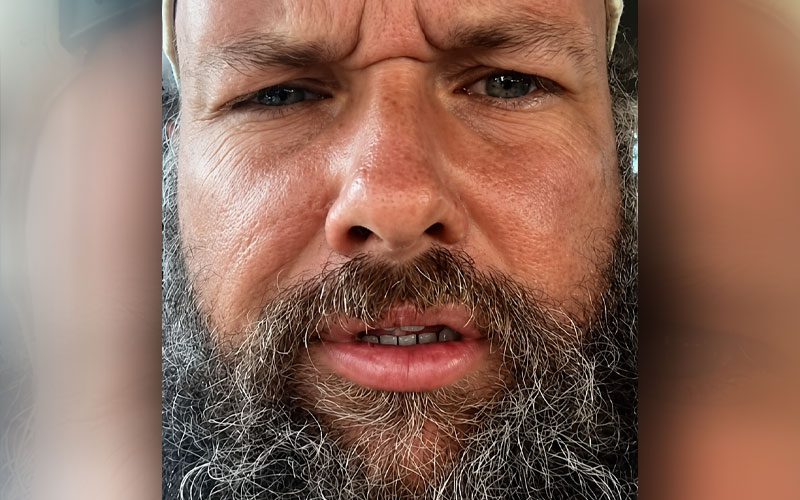
Eddie Edwards recently addressed the current state of the relationship between TNA Wrestling and WWE. As reported by Wrestling Inc, this collaboration marks a departure from the isolationist era of early 2000s promotion wars. While some purists view this as a dilution of the alternative, it provides a crucial platform for talent exposure. It earns the 10th spot for its sheer logistical oddity in the current market.
9. Austin 3:16 at King of the Ring 1996
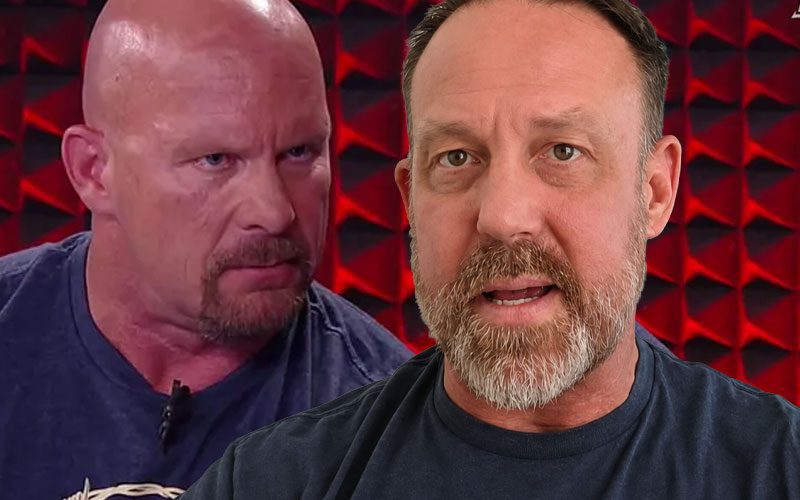
Stone Cold Steve Austin defeated Jake Roberts to win the prestigious tournament. The post-match promo shifted the company's trajectory from traditional babyface archetypes toward the anti-establishment ethos of the Attitude Era. It changed how performers cut promos overnight. The brevity of the speech remains its defining, jagged edge.
8. The formation of the nWo at Bash at the Beach 1996
Hulk Hogan dropped the leg on Randy Savage, aligning with Kevin Nash and Scott Hall. This moment effectively destroyed the clean-cut hero trope that dominated the 1980s. It felt dangerous, unpredictable, and entirely unscripted for the viewing audience. WCW held the momentum for nearly twenty months because of this shock.
7. Mankind falls from the Hell in a Cell roof
At King of the Ring 1998, Mick Foley took a bump off the top of the structure onto the announce table. It was the moment that redefined what audiences expected from physical risk. While medically terrifying and perhaps professionally negligent, it cemented the brutality of the gimmick. It ranks lower only because the sheer volume of subsequent extreme spots forced the industry to rein in the recklessness.
6. The Montreal Screwjob
Bret Hart left the Survivor Series in 1997 with a legacy shattered by a worked-shoot finish. The blurring of lines between the locker room and the television screen created a permanent cynical edge to the broadcast. It remains the most debated finish in the business, mostly because Vince McMahon chose to insert himself into the narrative. The ego on display was unprecedented for a promoter.
5. The debut of the Hardy Boyz at WrestleMania 25
The TLC match changed the pacing of ladder matches forever. Jeff and Matt Hardy, alongside Edge and Christian, moved away from technical grapples to high-velocity stunts. It introduced a frantic, breakneck speed that is now the standard for tag team spots. Without this match, the modern high-flying style lacks a clear lineage.
4. CM Punk’s Pipebomb
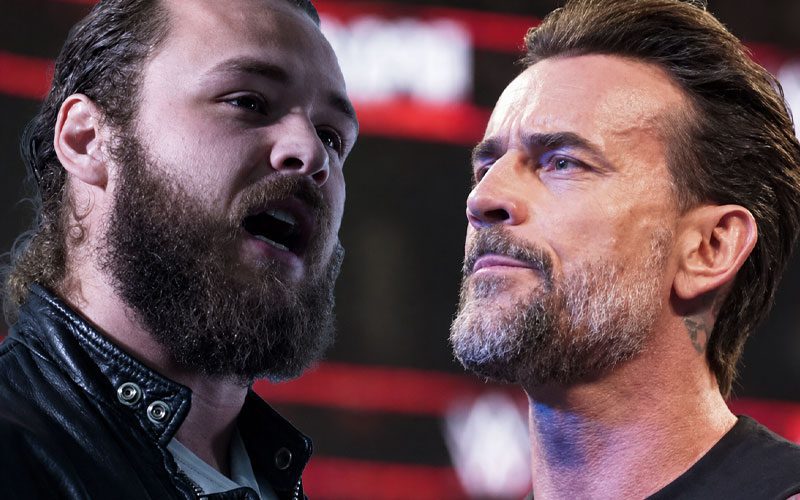
A microphone, a sit-down position, and a verbal dismantling of the company’s internal structure. In June 2011, Punk made it clear that the fourth wall was officially defunct. He articulated the frustrations of the independent circle in a way that resonated with a jaded audience. It felt like a protest, regardless of how much was pre-approved by the front office.
3. The Streak ends at WrestleMania 30
Brock Lesnar defeated The Undertaker, leaving the crowd in the Superdome in total silence. It was a calculated risk that stripped away the most reliable spectacle in wrestling history. Critics often argue that it was a booking mistake to hand the end of the streak to a part-time performer. However, the sheer shock value forced the industry to move on from a crutch that had existed for two decades.
2. Kurt Angle signs with WWE
As an Olympic Gold Medalist, Angle brought genuine legitimacy to a scripted pursuit. His debut in 1999 proved that amateur wrestling depth could result in high-level professional entertainment. He adapted faster than any crossover athlete in history. His work rate in the early 2000s made him the gold standard for technical excellence.
1. The inaugural WWE Raw
January 11, 1993, marked the shift to live, episodic television in a smaller arena format. It abandoned the bloated, pre-taped studio shows that had clogged the product for years. This pivot allowed for more immediate fan reaction and a constant, rapid feedback loop. Everything we enjoy about the current pacing of shows traces back to this specific shift.
Honorable mentions and final thoughts
The list omits several high-profile moments like the debut of Goldberg or the return of The Rock in 2011. While impactful, they served to bolster existing fame rather than change the fundamental operation of the company. Pro wrestling succeeds when it breaks its own conventions. When the booking leans too hard on nostalgia, the industry stalls. We are currently watching the TNA-WWE bridge test this dynamic, and the results remain a gamble for all parties involved.