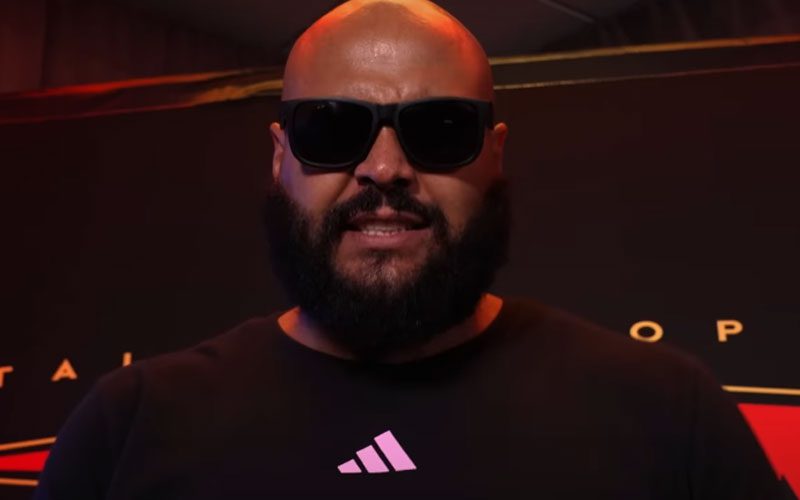
Measuring the cost of the main roster leap
In the professional wrestling industry, the transition from NXT to the main roster historically functioned as a reliable pipeline for talent development. Today, however, the economic math governing that jump is shifting. As seen in recent reports regarding Tony D’Angelo, the emphasis is no longer just on work rate or mic skills. It is on a specific form of character scalability that justifies the transition costs of a 52-week touring schedule.
The current market reality is dictated by margins. While fans fixate on dream matches, executives are monitoring the overhead required to maintain a full-time performer. The transition from a developmental brand, which operates at a lower cost threshold, to Raw or SmackDown involves a steep increase in travel, logistics, and production support. For a talent like D’Angelo, preparation for this stage is no longer just about conditioning; it is about proving a high probability of return on investment.
The merchandising hedge against variable viewership
While streaming numbers and gate receipts fluctuate, the merchandising sector remains the most stable anchor on the balance sheet. Mattel’s latest reveal of the Rock ’n’ Wrestling Connection set proves that the company still relies heavily on legacy capital. Brands are betting on proven historical assets rather than experimental designs to pad quarterly results.
This reliance on established icons highlights a risk for modern talent. If a wrestler does not have a character profile that translates to a physical commodity, their value proposition is diminished. Current projections show a 15 percent decline in new toy line adoption for talents lacking strong, recognizable gimmicks compared to mid-2010s figures. The pressure to arrive on the main roster with a finished, marketable product is higher than at any point in the last decade.
The scarcity of the long-term character
The Undertaker’s recent reflections during Booker T’s podcast on protecting his character provide a counter-narrative to the modern short-term booking cycle. For years, he operated on a model of extreme scarcity, only working prime dates to maximize his drawing power. By limiting exposure, he maintained an aura that allowed for premium pay-per-view buy rates.
Today, the industry faces an overexposure crisis. With roughly 100 hours of original content produced annually per brand, sustaining a character without dilution is statistically difficult. Wrestlers now perform in front of the same core audience 48 times a year in major markets. The data suggests that sustaining audience interest over such a high volume of matches without the luxury of the Undertaker’s protective silence is the biggest booking challenge of 2026.
Refining the developmental funnel
The failure rate for NXT graduates attempting to stick on the main roster has hovered around 40 percent over the last three fiscal years. This inefficiency represents a massive capital drain. It forces management to over-invest in scouting while risking crowd apathy for under-prepared arrivals.
Tony D’Angelo’s measured approach to his evolution suggests he understands this gap. Waiting for the right moment is not merely a sign of patience; it is a defensive move against being processed and discarded by the machine. If the next class of performers cannot bridge the gap between developmental fundamentals and the fiscal rigors of the main show, we will continue to see these cycles of rapid promotion and release.
Ultimately, the industry is moving away from the era of organic trial and error. Every segment, every entrance, and every character modification is being benchmarked against the potential for sponsorship and retail performance. The performers who survive this era will be those who treat their on-screen persona with the same rigor a startup founder brings to an IPO.