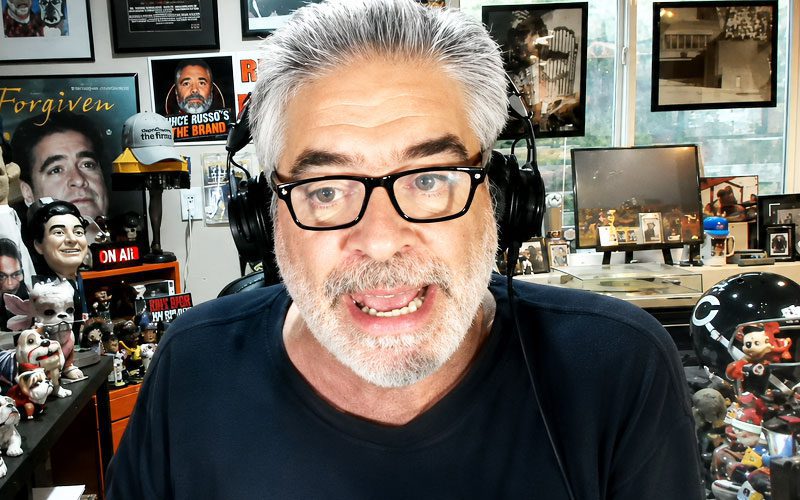
The Russo critique finds a nerve
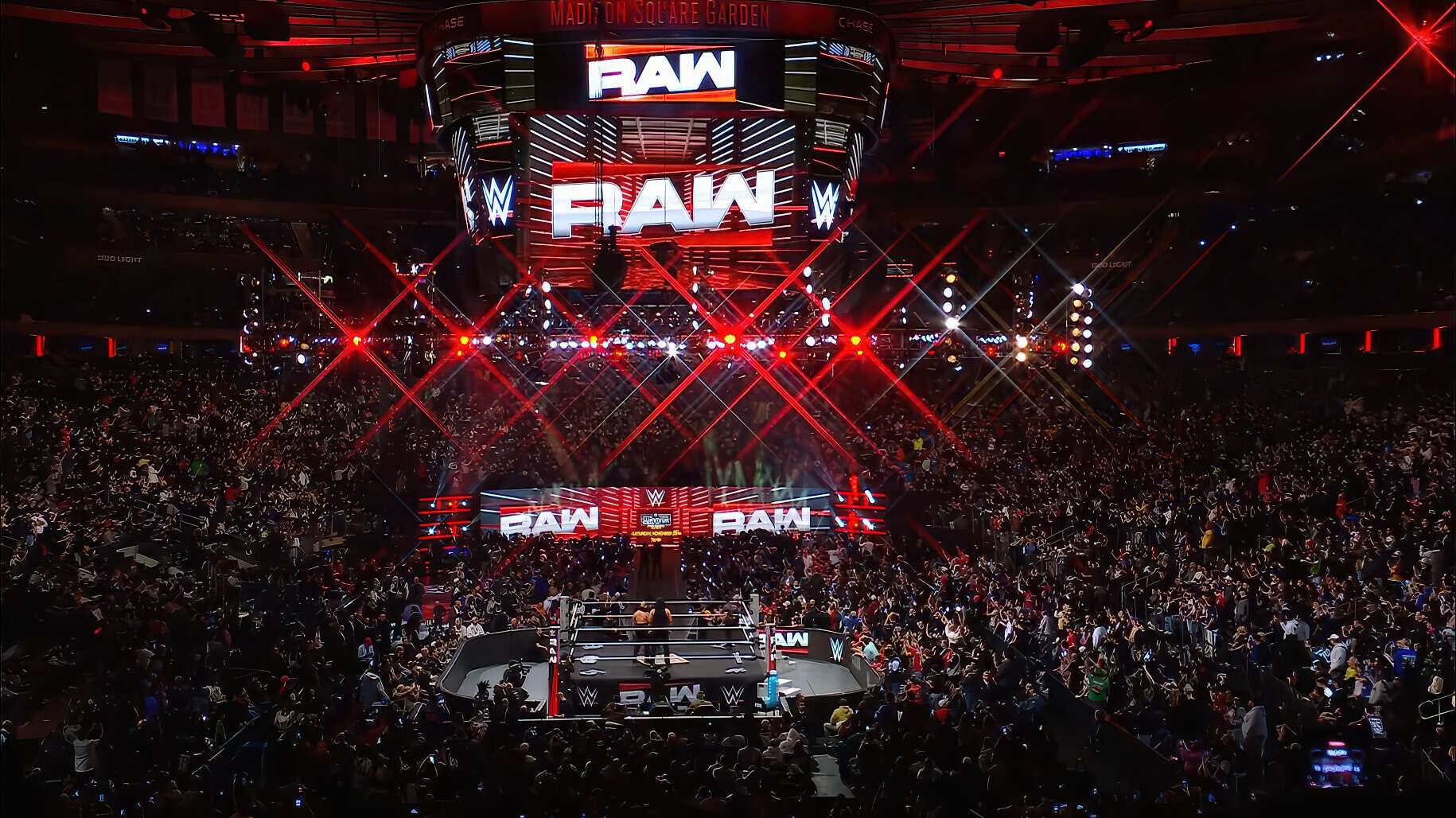
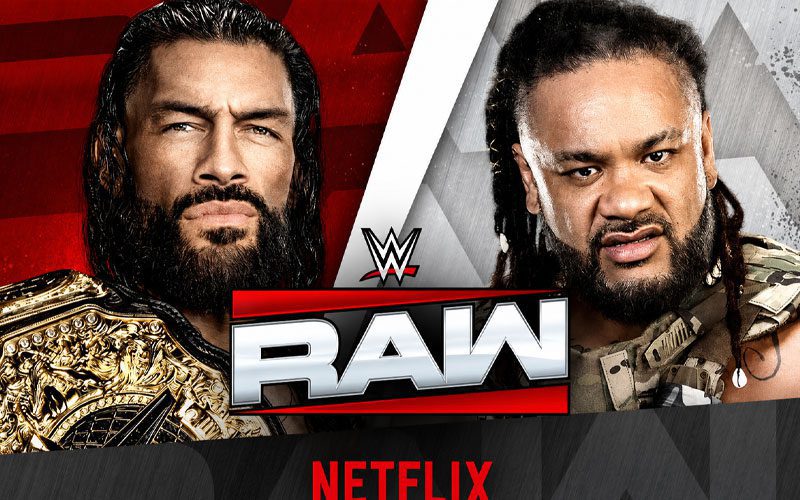
Vince Russo recently went after the WWE for its reliance on promo-heavy segments during the final hour of Monday Night RAW. His argument centers on a fundamental law of wrestling: viewers need a kinetic payoff to justify the three-hour time commitment. When the main event consists of nothing but verbal barbs and a cliffhanger that feels like a television soap opera script, the audience tunes out.
We are seeing too much talking and not enough physical stakes. In professional wrestling, the sweat equity of a match provides the ROI that sustains fan interest. Watching an hour of back-and-forth dialogue without a meaningful angle progression feels hollow. When you look at the recent critiques from veterans like Russo, it highlights a broader issue with the current booking strategy.
The cost of holding back payoffs
The company seems terrified of peaking too early. They are holding back high-intensity spots for premium live events, but they are starving the weekly television product. This isn't just a subjective feeling. If you track the engagement metrics during the 10:30 PM segments, the drop-off is visible when the segments focus entirely on plot advancement rather than actual athletic conflict.
A wrestling show works best when the main event delivers something visceral. Think of a clean finish or a high-stakes title defense. Instead, the current RAW format leans into messy disqualifications or run-ins that serve as a bridge to next week rather than a resolution for today. This becomes a loop of diminishing returns where the matches feel like placeholders.
Predicting the inevitable shift
The current booking strategy is unsustainable for a three-hour broadcast format. Fans are too savvy to fall for constant redirection. To fix the rating slump, WWE must tighten the screws on the writing room. They need to shift from heavy exposition to physical conflict before the 50th minute of the final hour.
I expect to see a drastic pivot toward shorter segments and longer, more impactful matches starting as early as the next few weeks. If they don't, the viewership decline will be difficult to reverse ahead of the summer months. The reality is that the audience wants to see finishers, not lectures. The booking team has the talent, but they are currently mismanaging the pacing in a way that suggests they are losing their grip on the traditional rhythm of the industry.