
Why the G1 Climax 36 represents a lost art form in modern wrestling
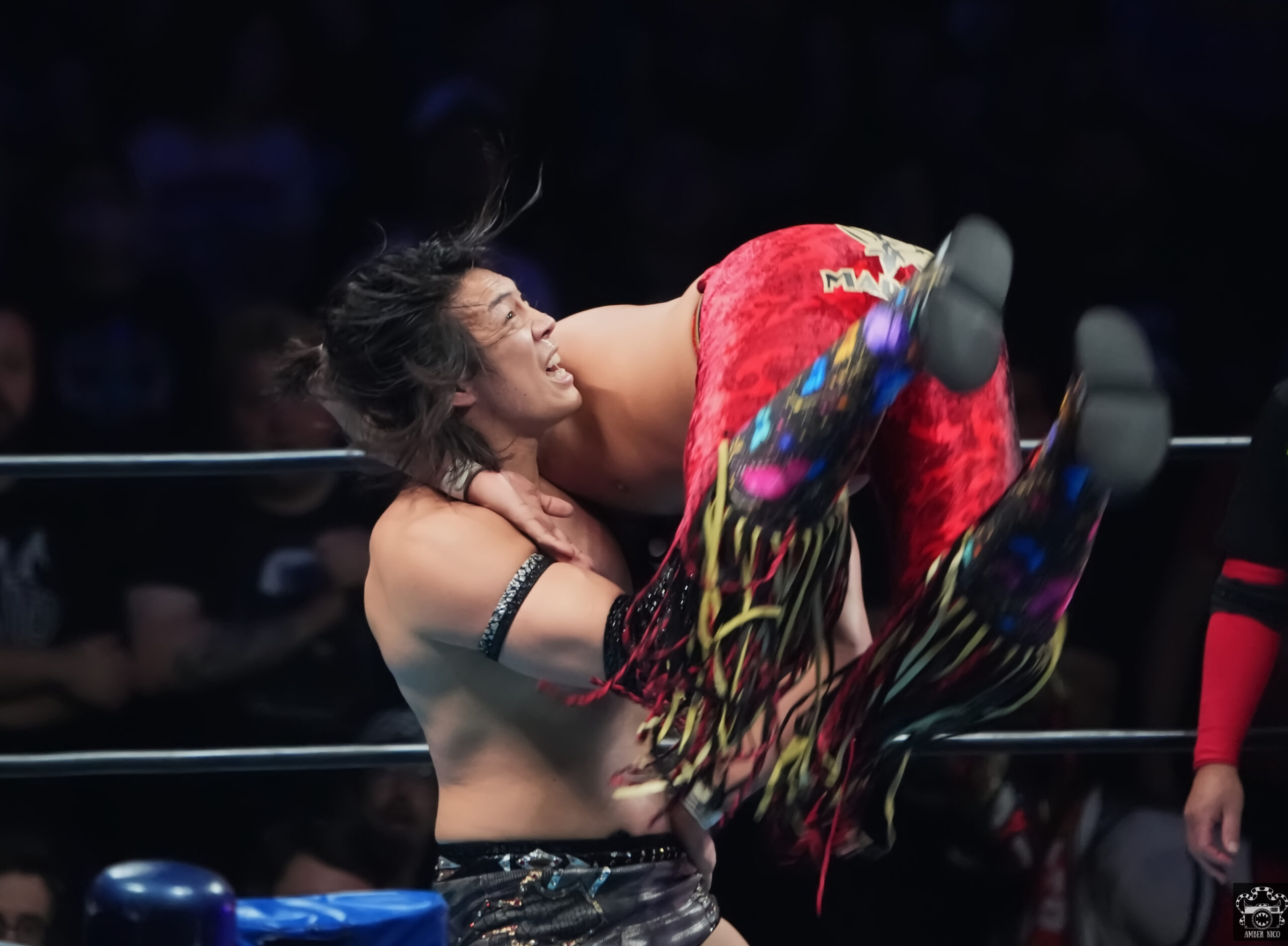
The friction between episodic sprints and tournament endurance
Professional wrestling is currently divided by two conflicting philosophies of efficiency. On one side, WWE treats its weekly product like a high-speed engine, refined for the Netflix era where every minute is accounted for and optimized for retention. On the other, New Japan Pro-Wrestling continues to grind out the G1 Climax, a grueling endurance test that prioritizes physical attrition over television speed.
Consider the recent G1 Climax 36 opener in Chicago versus the standard television fare on Raw. When Austin Theory and Bron Breakker tore through Dragon Lee and Je’Von Evans at the Little Caesars Arena on July 20, the contest lasted exactly 9:43. That span of time is a tactical choice. It is designed to be punchy, digestible, and free of the dead air that casual viewers might find off-putting. It is a sprint by design.
Yet, there is a cost to this clinical approach. By condensing action into these sub-ten-minute windows, the story shifts away from the psychology of the mat and toward the speed of the highlight reel. The match in Detroit, while efficient, left me wondering if anyone genuinely had time to build a narrative arc. Professional wrestling works best when wrestlers have the breathing room to establish a pace, to react to shifts in gravity, and to show signs of exhaustion.
The wear and tear of Sendai
Contrast the Detroit efficiency with the results from Night 4 of the G1 in Sendai. While WWE is carefully protecting its talent by keeping matches short, NJPW is throwing its roster into the meat grinder. We saw Yota Tsuji, who just defeated Konosuke Takeshita in Chicago, move straight into another high-stakes battle against Sanada.
This is the difference between a television segment and an athletic endeavor. Yota Tsuji is not merely wrestling; he is accumulating fatigue, injury, and emotional weight as the tournament progresses. When a wrestler wins a short sprint on Raw, the victory feels like a quick check-in. When Tsuji wins a match on the fourth night of the G1, it feels earned through suffering.
We have to address the downside of this, however. The NJPW format is often criticized for being overly demanding, perhaps to the point of vanity. Booking wrestlers to battle through the fatigue of a tournament format can lead to diminishing returns if the performers are not physically sharp. The frantic schedule of NJPW events, like the transition from Chicago to Sendai, risks burnout that makes the Detroit style look like a stroke of genius in terms of longevity.
Tactical booking versus the marathon
The Vision team of Austin Theory and Bron Breakker serves as the ultimate example of modern WWE tactical booking. They represent the new archetype: athletic, explosive, and managed by Logan Paul. Their goal is not to win a marathon; it is to dominate a high-velocity landscape where the audience's attention span is treated as the most valuable resource on the card.
I find myself caught in the middle of these two worlds. I admire the sharpness of the July 20 Raw results. It was clean. It was effective. Theory and Breakker hit their marks, got the job done for their benefactors, and got out before the crowd could lose interest. It is professional, safe, and clearly profitable in the streaming era.
But I return to the Sendai results with a different kind of respect. The G1 does not care about your attention span; it demands endurance. It acknowledges that wrestling is at its most compelling when the mask slips, when the athlete begins to breathe heavily, and when the sequence of moves transforms from a choreographed routine into a desperate struggle for survival. The G1 Climax 36 is flawed, heavy, and exhausting, yet it remains the only place where the sport feels like a true progression rather than a recurring snapshot.
WWE Championship Belt: Kids Toy Title Belt
The classic budget-friendly way to feel like a champion.
Frequently Asked Questions
How does WWE's match style differ from NJPW's G1 Climax format?
Who manages the WWE team of Austin Theory and Bron Breakker?
What is the main criticism of the NJPW G1 Climax tournament format?
Where did Austin Theory and Bron Breakker face Dragon Lee and Je’Von Evans?
Who did Yota Tsuji defeat at the Chicago event before facing Sanada?
More Coverage

Seth Rollins is running out of patience with the main event scene
an hour ago
Seth Rollins is playing a long game that the rest of the roster can't match
an hour ago
Seth Rollins is clearly setting the stage for a WrestleMania 43 main event
an hour ago
Top 10: Nights in Professional Wrestling
an hour ago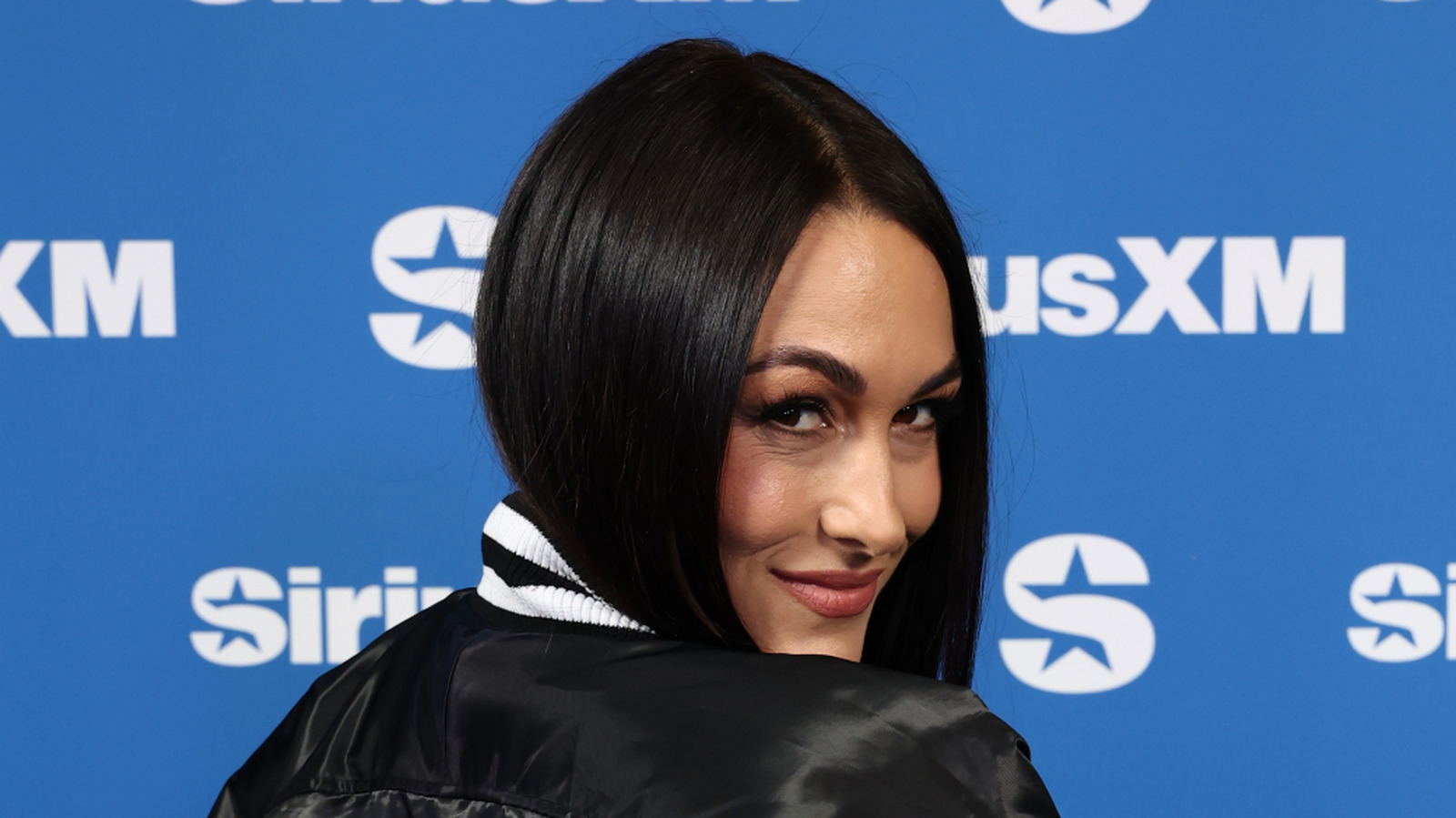
Why Brie Bella and Paige are struggling to keep pace in the tag division
2 hours ago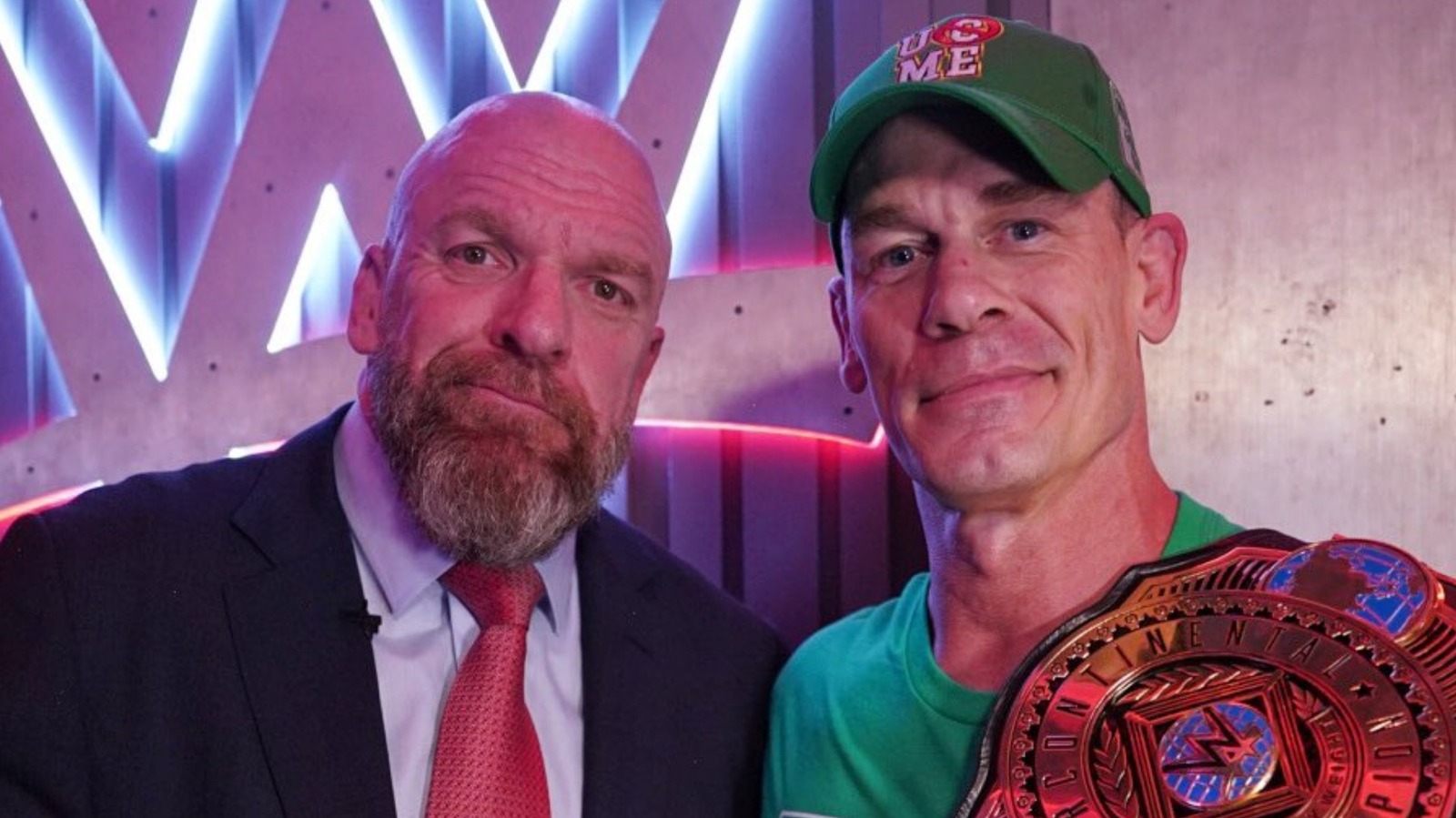
Cody Rhodes will turn heel at SummerSlam to avoid John Cena's 2025 mistakes
2 hours agoMore Analysis
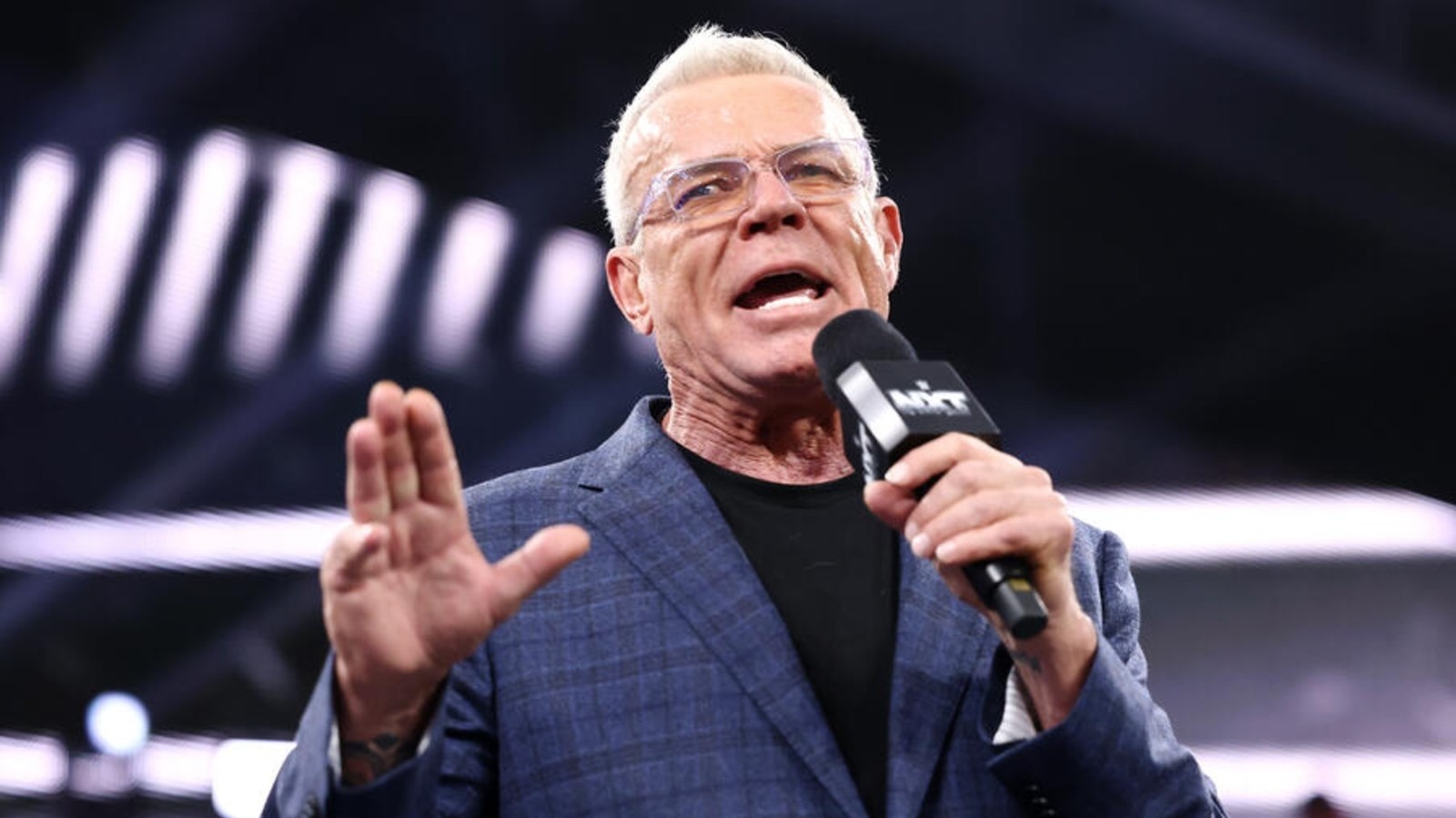
Booker T rips Eric Bischoff’s loyalty to Hulk Hogan
an hour ago
Seth Rollins is running out of patience with the main event scene
an hour ago
Seth Rollins is playing a long game that the rest of the roster can't match
an hour ago
Eric Bischoff's WWE tenure is still dividing the lunchroom
an hour ago
Eric Bischoff is the survivor of his own chaotic booking history
an hour ago