The Atmosphere and the Grind
Night-themed cards set the tone for the professional wrestling cycle. Whether it is a serialized weekly broadcast or the opening leg of a grueling tournament, these shows define the cadence of the sport.
10. G1 Climax 36 Night 1
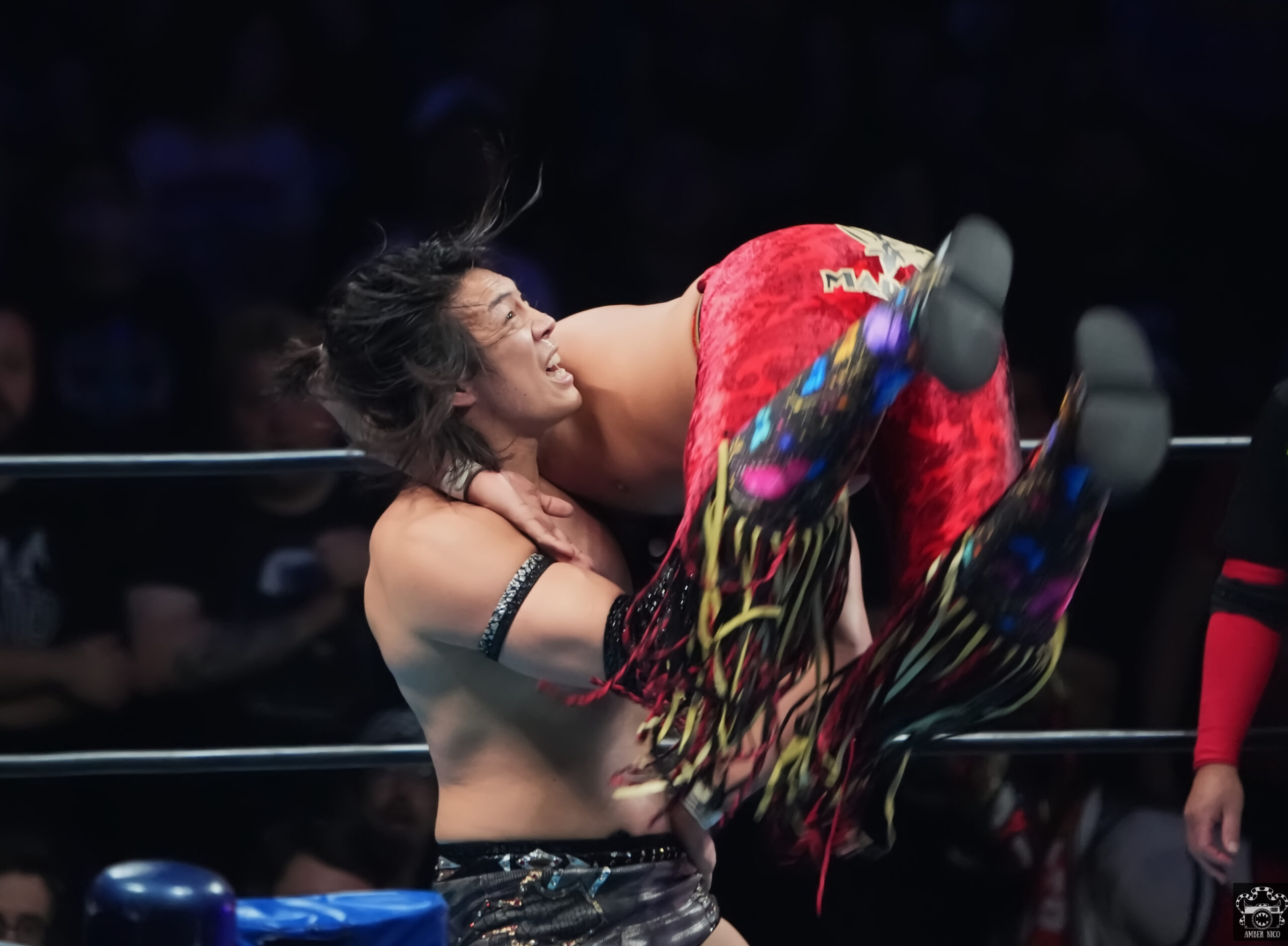
The kickoff of the G1 Climax in Chicago at the NOW Arena set a high bar for physical volume. Yota Tsuji defeating Konosuke Takeshita anchored a card that prioritized work rate over storylines. It ranks here because it lacked the buildup of later tournament dates, serving as a functional, if unspectacular, house-style reset.
9. Monday Night Raw - July 20, 2026
This Detroit broadcast was a transitional show focused on the mid-card tag division. The Vision pairing of Austin Theory and Bron Breakker secured a win over Dragon Lee and Je’Von Evans in a contest that lasted 9:43. It lacked the creative stakes needed to climb higher in this list.
8. G1 Climax 36 Night 4
The July 21 broadcast from Sendai Sun Plaza Hall showcased the tightening screws of tournament logistics. With commentary from Walker Stewart, the broadcast highlighted critical clashes like Oleg vs. Takagi and Tsuji vs. Sanada. It ranks above the Detroit show due to the higher quality of technical output despite the predictable tournament structure.
7. The Mid-Summer Circuit Cycles
Touring nights in the summer require heavy lifting to keep fan engagement high during vacation windows. Wrestlers often face exhaustion, yet these shows are where true depth charts are written. Promotions that fail to evolve their sets for these nights see dipping retention rates.
6. The WWE Netflix Transition
The move to a live streaming model on Monday nights fundamentally changed how the product is consumed in real time without ad breaks. While the production values have spiked significantly across 2026, the pacing remains uneven. It is a win for accessibility but a risk for narrative focus.
5. NJPW World Live Access
Accessing these nights via NJPW World provides an unvarnished look at the sport. Unlike heavily edited US broadcasts, the Japanese presentation shifts the emphasis to the physical toll on the performers. It is the gold standard for pure in-ring observation.
4. The Chicago NOW Arena Experience
Chicago remains a benchmark for crowd heat, which heavily influenced the perception of G1 Night 1. When a crowd is vocal, it masks technical errors and elevates average matches into something memorable. This venue earns its spot on the list for consistently delivering high-energy environments.
3. The Sendai Sun Plaza Hall Standard
Sendai offers a classic, stripped-down aesthetic that puts the focus entirely on the ring. Night 4 in this historic venue proved that you do not need 50,000 seats to produce a compelling professional wrestling product. It creates a vacuum where the tension of every submission lock becomes audible.
2. The Final Night of a Block
The closing nights of tournament blocks feature the highest stakes in the industry. These are the shows that dictate the trajectory of individual legacies for the remainder of the calendar year. Booking errors here are catastrophic for credibility.
1. The Television Main Event
The Monday night flagship slot remains the most significant real estate for professional wrestling. Despite the shifts in viewing habits, this remains the primary stage for setting mainstream narratives. It takes the top spot because it effectively functions as the pulse of the industry on a weekly basis.
Honorable Mentions
Special mentions go to the production team at Netflix for their technical stability during the July 20th broadcast. We also note the consistent, if sometimes repetitive, commentary work from the NJPW team during tournament phases. For more on current event flow, look at recent reporting on the G1 opening and the latest tournament results from PWTorch.