The loyalty dilemma in professional wrestling
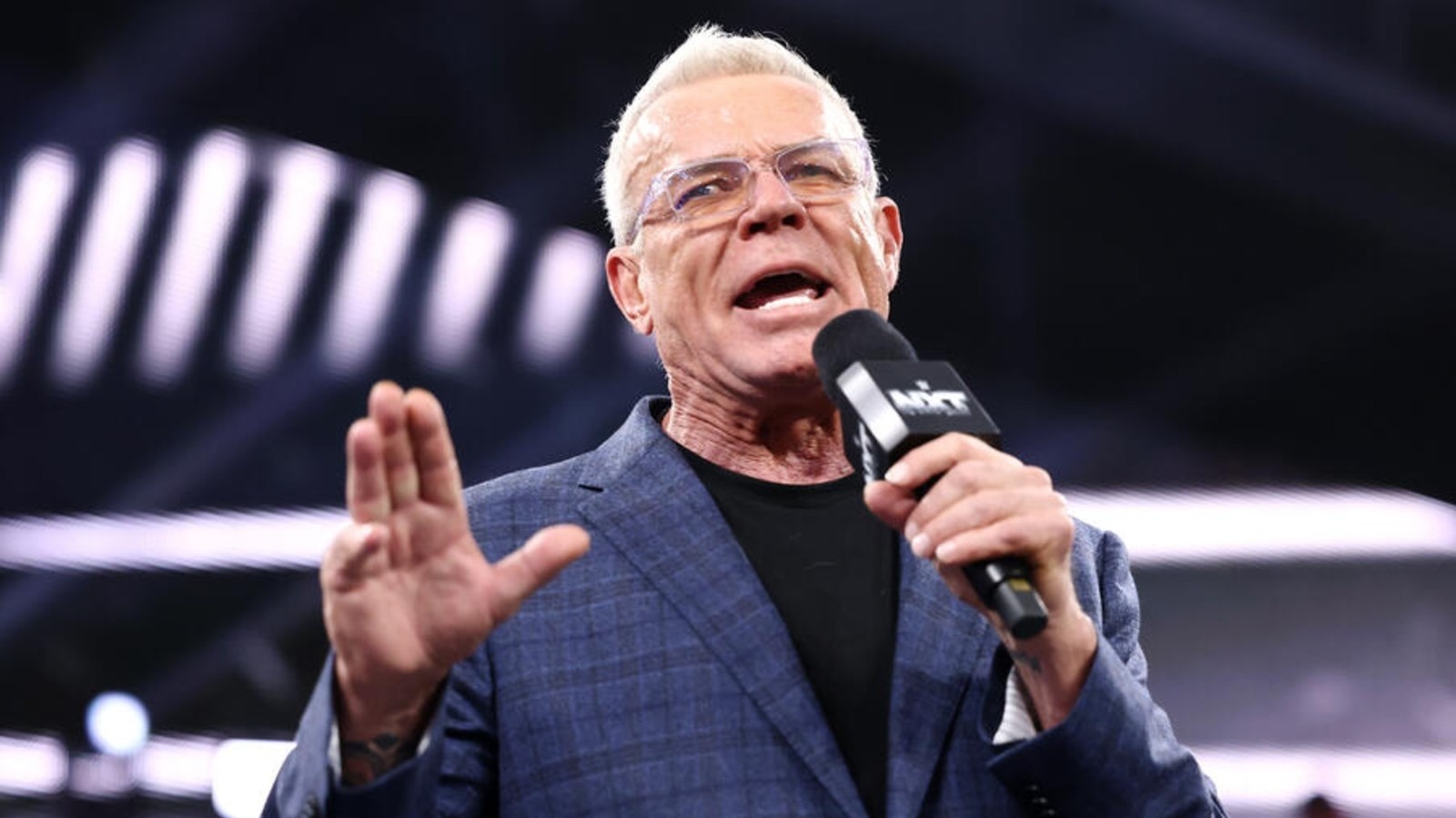
Eric Bischoff remains one of the most polarizing figures to ever walk through the curtain. His time as a WWE executive, following his legendary run in WCW, continues to fuel debates about how much influence he ceded to his top stars. Often described as a master of televised chaos, Bischoff’s post-WCW career is frequently defined by his unwavering alliance with Hulk Hogan.
Booker T recently revisited that professional dynamic. He offered a sharp, critical assessment of the partnership that governed much of WCW’s final years. You can read more about his perspective on these organizational failures across various industry outlets.
Booker T: Eric Bischoff ‘Was Really Willing To Follow Hogan All The Way Off A Cliff’
The comment hits on the structural rot that eventually paralyzed WCW. When a promoter refuses to curb the creative control of a top draw, the product inevitably suffers. Booker T saw this firsthand as a top-tier worker tasked with carrying the load while booking decisions were made in private, often to serve the interests of the established icons rather than the company’s future.
The critique here isn't just about personal feelings. It is about the failure of leadership. When the person in the lead office hands the keys to the talent, the ability to pivot becomes zero. That rigidity cost the industry massive amounts of talent revenue and fan interest in the early 2000s.
Bischoff’s defense of his own office habits
Bischoff has a different take on his tenure. In recent interviews, he has highlighted his ability to navigate the notoriously volatile WWE backstage environment. He claims he consciously distanced himself from cliques to avoid the standard politicking that ruined careers in other promotions.
Whatever his internal strategy was, the industry consensus remains split. Critics see him as a man who played a dangerous game of appeasement. Supporters see an executive who understood that keeping the biggest attraction in the history of the business happy was a necessary evil. It is the classic debate between protecting the short-term ticket sales or the long-term health of the roster.
It is worth noting that Bischoff’s self-reported lack of drama does not mirror the perspective of those who worked under him. Staying out of the fray is easier when you are the person who sets the agenda. For the guys like Booker T, who were stuck in the middle of these ego-driven decisions, the experience was far from peaceful.
Current state of the promotion landscape
While the old guard relitigates the late 90s, the current product is moving in different directions. WWE is currently pushing hard on the NXT brand, featuring physical brawls that feel worlds away from the celebrity booking style mentioned in these critiques. We are seeing a shift back toward in-ring action, as seen in the recent NXT street fight cards.
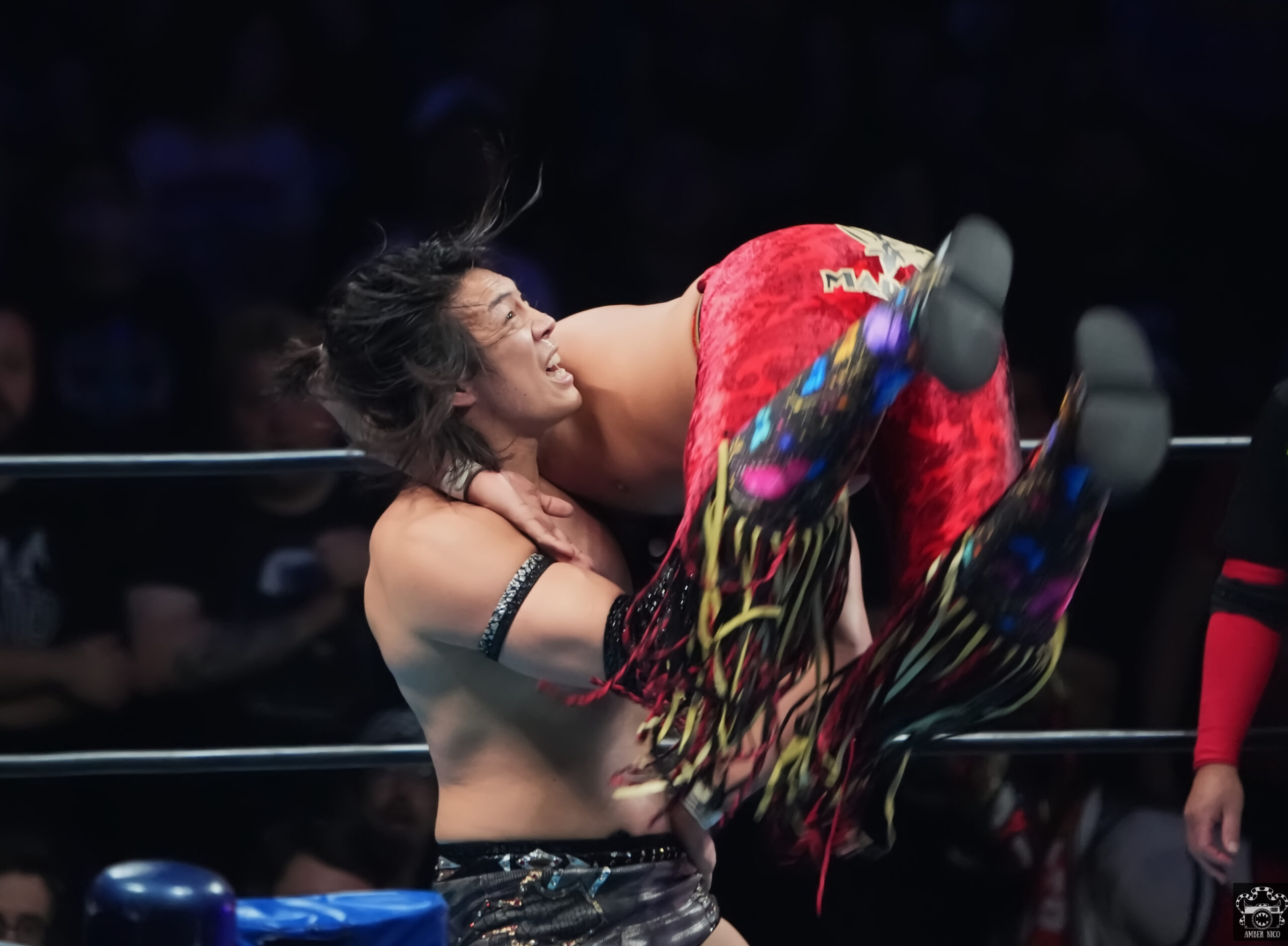
This is where the industry criticism holds weight. By prioritizing talent like Sushi in off-the-wall segments, the modern booking style is attempting to bring heat to newer, younger performers. It is a gamble that contrasts sharply with the era where every television segment had to revolve around a main-event relic protected by a general manager.
The risk of booking for the individual rather than the brand is always high. When you follow a star off a cliff, you don't just lose their contract; you lose an entire segment of the audience that expects legitimacy. Booker T’s assessment serves as a reminder that management needs to hold the line, not provide the safety net for bad creative calls.
We are watching a version of the industry where backstage politics play out on social media rather than in private executive suites. It is less secretive, certainly, but the power dynamics remain the same. The question for 2026 is simple: has any promotion truly solved the riddle of managing mega-stars without sacrificing the competitive integrity of the undercard?
The legacy of Bischoff and Hogan will always be tied to the $60 million operating loss that ultimately sunk WCW. That number is the definitive objective critique of a leadership style that prioritized star power over fiscal or creative sustainability. When you look at the financials, the apology for his management style is empty.
Managing talent is hard. Managed correctly, you get a roster-wide talent elevation. Managed with blind loyalty, you get a mass exodus and a bankruptcy lawyer. Booker T’s words are not just trash talk; they are a warning to anyone running a promotion today.
If you aren't willing to tell your biggest star 'no,' you aren't a promoter. You are an employee of your own talent. The industry is currently trying to move past this model, but the ghosts of the Monday Night Wars continue to influence how we analyze every single contract negotiation and booking decision.