The Bischoff-Hogan connection sparks fresh debate
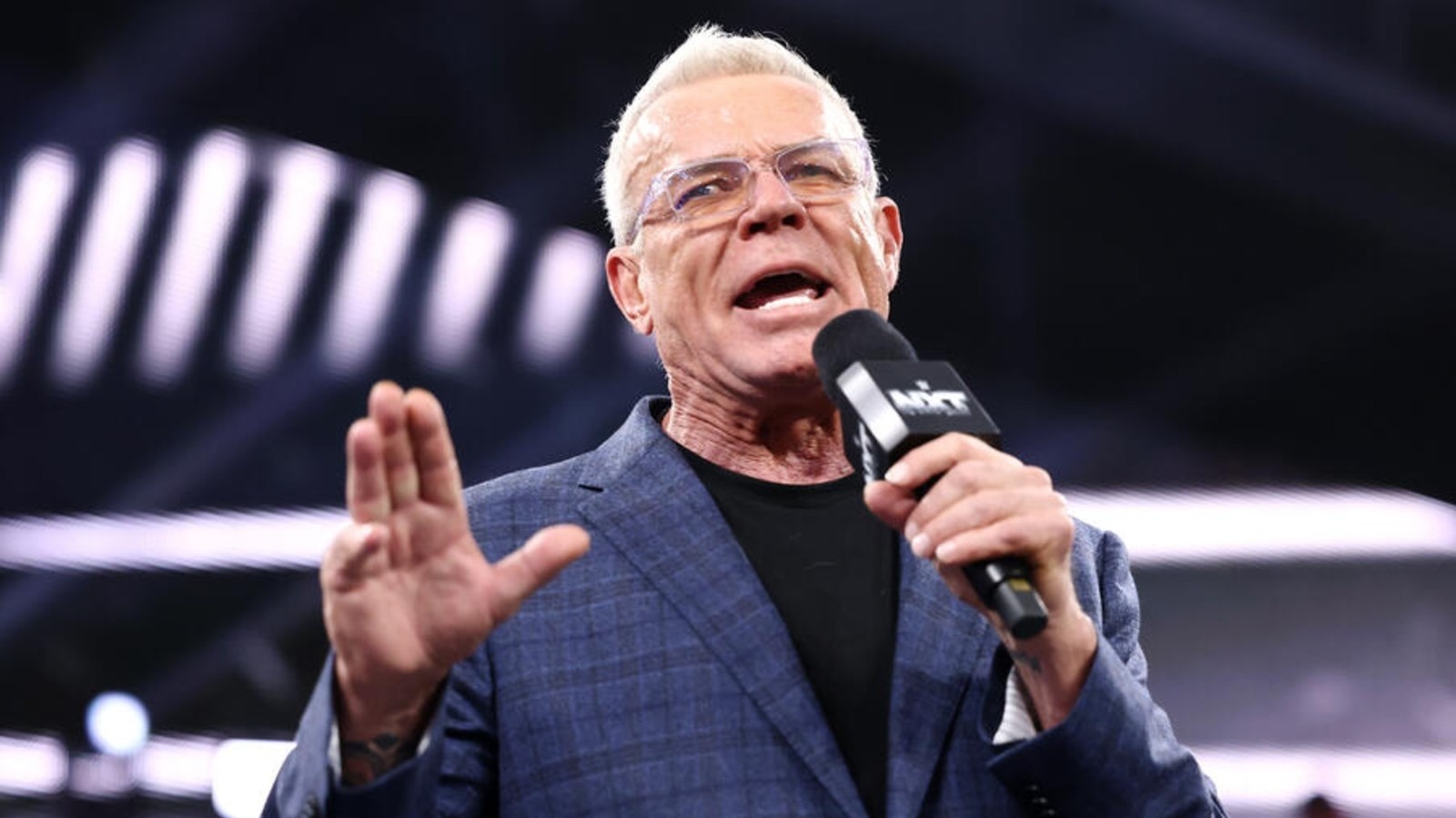
The wrestling community is currently locked in a digital brawl over Eric Bischoff's legacy. It all started when Bischoff claimed he stayed out of backstage politics during his WWE tenure, a statement that hit the forums with all the grace of a Randy Savage flying elbow drop. Fans are not buying the narrative that the king of WCW chaos just kept his head down and did his job.
Booker T went on record regarding the dynamic between Bischoff and Hulk Hogan, noting that Bischoff was really willing to follow the Hulkster all the way off a cliff. This jab ignited a storm of commentary across social media. Some supporters view Bischoff as a savvy executive who adapted to the WWE environment, while others see him as a relic of a time when poor booking decisions regularly tanked entire promotions.
The internal division within the IWC
If you head to the subreddits today, you will find three distinct schools of thought regarding the Bischoff era. The first group, the die-hard WCW nostalgia merchants, argues that Bischoff’s willingness to ride or die with Hogan was necessary for the Monday Night Wars. These folks claim you cannot have a legendary run without someone willing to commit to the bit, even if that bit involves terrible creative choices.
Then you have the Booker T disciples. They point to the decline of WCW as the ultimate evidence of what happens when leadership loses its way. They argue that Bischoff’s self-proclaimed distance from backstage politics is revisionist history that ignores his role in enabling the very toxic culture that arguably led to the company’s downfall in the early 2000s. It is essentially a debate over whether loyalty is a career-defining strength or a delusional liability.
Modern wrestling keeps its eyes on the ring
While everyone is busy relitigating the late nineties, the current product is actually putting in work. We have a Street Fight on WWE NXT that is making more headlines for its in-ring psychology than any backstage drama could hope to generate. Sometimes, it feels like we are obsessed with the ghosts of Ted Turner’s money pit while refusing to acknowledge that the current booking is actually hitting on all cylinders.
The contrarian view in this entire discussion is that nobody actually cares about Bischoff’s office politics in 2026. The real juice is in the present. Watching Braun Strowman navigate current storylines, or seeing AAA’s Verdano de Escandalo tournament gain momentum, proves that the audience is craving action, not the same tired, post-mortem rehashing of WCW’s greatest failures.
The verdict from the cheap seats
Who has the better argument? If I am being honest, Booker T is winning this exchange on points. It is easy to claim you stayed above the fray long after the company folded and the checks stopped clearing. Bischoff was the architect of that house, and even if he didn't pick up a hammer to kill it, he definitely left the doors unlocked for the intruders.
The fans pointing out that Bischoff’s narrative is a bit too clean are the ones grounded in reality. Real leadership requires holding your stars accountable, not becoming their personal enabler. Booker T’s assessment that Bischoff followed Hogan off a cliff feels like a brutal but accurate summary of the late-stage WCW management strategy. You can only blame the circumstances for so long before the buck stops at the executive's desk.
Perhaps we should stop acting like legends are infallible heroes. Eric Bischoff was a force of nature in his prime, but as Wrestling Inc recently documented, the attempt to rewrite his own role in company politics is a reach. He managed to survive the transition to WWE, unlike many of his peers, but his history followed him. The Booker T critique serves as a reminder that in wrestling, you are only as good as your last big move — or in Bischoff's case, your last big mistake.
Ultimately, this isn't just about whether Bischoff was involved in politics or not. It is about the lingering sting of seeing a major organization lose its way because the people in charge were more interested in personal relationships than the survival of the show. We are seeing a 2026 landscape where fans are increasingly tired of the politics and ready for competition to return to the forefront. If WWE can stay focused on the talent in the ring, they might just avoid the same fate that befell Bischoff’s old crew.