The Architect's Blueprint for the Sunset
Adam Copeland has built a career defined by resilience, innovation, and an uncanny ability to reinvent himself. From his initial rise through tag team dominance, his unexpected ascent to main-event singles glory, to his miraculous return from a career-threatening neck injury, Copeland has consistently pushed the boundaries of what's expected from a professional wrestler. Now, as the acclaimed veteran enters the twilight of his active in-ring tenure, a new, meticulously planned chapter is beginning to take shape, one that suggests his ultimate departure from the squared circle will be as deliberate and impactful as his storied career itself.
The conversation around Copeland's future recently shifted from speculative fan chatter to a more concrete contemplation of his post-wrestling life. He has articulated a clear vision for how his wrestling career will eventually conclude, signaling not just an end to active competition, but a carefully orchestrated transition into a new phase of influence. This isn't the story of a star simply fading away; it is the narrative of an architect meticulously designing his final act, with a keen eye towards a future dedicated to the business he loves, albeit from a different vantage point.
The Shadow of the Game: A New Path, Old Challenges
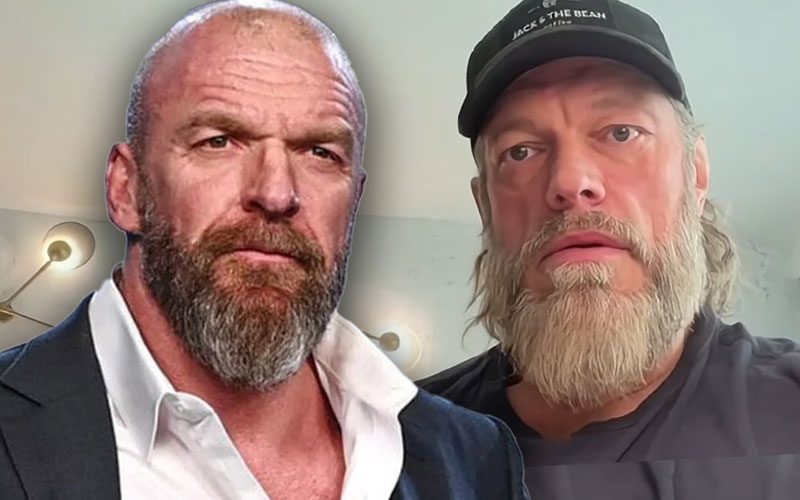
The specific mention of potentially following Triple H's path after retirement offers a fascinating and complex glimpse into Copeland's long-term strategic thinking. Paul Levesque's arduous journey from a main-event villain and multi-time world champion to the head of WWE creative and talent development stands as one of the rare examples of a top-tier performer successfully transitioning to such a pivotal executive role. It is a path laden with unique challenges, demanding a distinct blend of business acumen, astute political navigation, and an almost encyclopedic understanding of the wrestling product from both creative and logistical standpoints.
For Copeland, the allure of such a trajectory is undeniably clear. A mind as sharp, creatively driven, and intensely passionate as his would be an invaluable asset behind the scenes of any major wrestling promotion. Imagine the depth of insight he could bring to character development, the nuanced understanding of match psychology, and the long-term booking strategies that could be implemented under his guidance. However, the move from a celebrated performer to a power broker is far from seamless. It demands a different kind of authority, one built on influence, strategic decision-making, and consensus-building, rather than on suplexes, spears, or championship victories. The transition often necessitates a significant and sometimes uncomfortable shift in perspective, moving from an individual focus on personal performance and narrative to a broader corporate oversight and responsibility for an entire roster. Not every performer, regardless of their in-ring brilliance, is equipped to make this move without substantial friction and internal conflict.
Beyond the Ropes: The Creative Imperative Meets Corporate Reality
Copeland's career has always been marked by a fierce commitment to creative control and a meticulous approach to his own character and storylines. This innate desire to shape the narrative, to tell compelling stories, would theoretically be invaluable in a backstage creative capacity. His extensive experience across multiple promotions, adapting his style and character to radically different environments and creative philosophies, grants him an almost unique perspective on what truly resonates with diverse fan bases and what falls flat. He understands the pulse of the audience.
Yet, the executive suite operates under an entirely different, often more rigid, set of rules. The freedom to execute a singular personal vision, so vital to a top-tier performer, is frequently tempered by overarching corporate objectives, stringent financial constraints, and the often-conflicting demands of various stakeholders, from broadcast partners to advertisers. What works for Adam Copeland the wrestling artist might not always align with the broader strategic goals and commercial realities of a multi-million dollar global entertainment company. This inherent tension is precisely where the most significant tests of his executive potential would lie, demanding compromises and a completely different kind of performance altogether – one played out in boardrooms rather than arenas.
The Stakes: Legacy, Influence, and the Final Chapters
For a performer of Copeland’s unparalleled caliber, the decision regarding his post-retirement path carries immense weight, not just for his personal future, but for the indelible mark he will leave on wrestling history. Will he ultimately be remembered solely as one of the greatest to ever step between the ropes, a multi-generational talent whose in-ring exploits are perpetually replayed? Or will his influence extend to actively shaping the next generation of talent, contributing to the creative direction of the sport itself, and guiding its evolution? The choice to pursue a significant backstage role positions him to leave an indelible mark far beyond the final ringing of his last bell.
What's truly at stake here is nothing less than how future wrestling historians will categorize the latter half of his career and his ultimate contribution. Every remaining match, every carefully crafted promo, every subtle interaction with younger talent now takes on an added layer of significance. Are we witnessing merely the final, masterful flourishes of an all-time great performer, or are we, perhaps, observing the extended apprenticeship of a future executive? The answer, unveiled over time, will ultimately define his comprehensive contribution to professional wrestling, solidifying his status as more than just a performer.
The Watch List: Decoding the Signals from the Ring and Beyond
Fans eager to decipher Copeland's long-term trajectory should pay acutely close attention to subtle shifts in his in-ring psychology, his increasingly calculated promo delivery, and his public appearances. Is he taking on a more overt mentor-like role with younger talent, guiding them through matches or offering advice during post-match interactions? Are his promos beginning to hint at broader philosophical takes on the wrestling business, extending beyond just his immediate feuds and rivalries? These nuanced signals could provide crucial clues to his eventual transition, revealing the strategic, long-game mind at work beneath the passionate, explosive performer.
His upcoming matches, though not explicitly tied to a definitive retirement date, will nonetheless be viewed through this new, discerning lens. Each outing becomes a potential brushstroke in the larger masterpiece of his farewell tour, whether explicitly stated or subtly implied. We should watch carefully for how he strategically positions his opponents, how he elevates their stature, and whether his matches begin to carry an almost ceremonial weight, preparing the audience, consciously or subconsciously, for his inevitable departure from active, full-time competition.
A Critical Eye on the Executive Transition: Not a Fairy Tale
While the prospect of Adam Copeland in a significant backstage capacity is undoubtedly an exciting one for many fans and industry observers, it is absolutely vital to inject a healthy dose of realism into the discussion. The journey from iconic, beloved performer to influential, effective executive is notoriously fraught with peril and potential pitfalls. There’s the very real risk of losing the deep, personal fan connection cultivated over decades, as the corporate hat inevitably replaces the wrestling boots. Furthermore, the political landscape of any major wrestling promotion, whether established or up-and-coming, is notoriously complex, often resembling a cutthroat battleground where even the most beloved figures can struggle to exert their will and implement their vision without significant resistance.
The biggest, most enduring challenge for Copeland might not be his creative capabilities, which are beyond question, but rather the inevitable constraints and compromises inherent in a corporate role. Will he find the same profound fulfillment in guiding from the shadows, making difficult personnel decisions, and navigating bureaucratic hurdles as he does commanding the spotlight and dictating the pace of a main event? The immense pressure to replicate past successes, both creatively and commercially, in a completely different domain can be truly overwhelming. History, in sports and entertainment, is replete with examples of legendary athletes and performers who struggled immensely to adapt to administrative or executive roles, often finding the slow-grinding bureaucracy, the constant need for consensus, and the necessity of compromise to be utterly antithetical to their fiercely independent and competitive spirit. This is precisely where Copeland's true test will ultimately lie: can he navigate the treacherous corporate currents as deftly and decisively as he once navigated a 20-foot ladder to retrieve a championship?
The Confident Prediction: A New Chapter, Not Just an End
Adam Copeland will indeed transition into a significant and impactful backstage role within professional wrestling, confidently following a path akin to that blazed by Triple H, albeit with his own distinct philosophical and creative imprint. His ultimate final match will not be a sudden, unannounced affair, but rather a carefully orchestrated, emotionally resonant passing of the torch, meticulously designed to elevate a worthy successor and leave a lasting impression. Expect his transition to be methodical and deliberate, marked by a gradual decrease in his full-time in-ring appearances and a corresponding, increasingly visible presence in creative, talent development, or administrative capacities. This isn't merely a prediction; it is the logical, almost inevitable culmination of a career built not just on athletic prowess, but on strategic thinking, profound character development, and an unyielding, comprehensive love for the professional wrestling business. Copeland isn't just preparing for retirement; he's actively evolving the very definition of what a wrestling legend can be, stepping into a new arena where his mind, not just his body, will shape the future.