AEW and WWE both have a mid-card problem heading into April
The shadow of nostalgia looms over WrestleMania
With WrestleMania 41 exactly 17 days away, the creative direction in Stamford feels caught in a feedback loop. We are currently witnessing a reliance on the 1990s that threatens to overshadow the actual current roster. Kevin Nash recently confirmed that a potential nWo segment involving Steve Austin was pitched and ultimately scrapped at the eleventh hour. While the intent to generate a massive pop is clear, there is a fundamental issue with leaning on three-decade-old gimmicks during your annual showcase.
This reliance suggests a lack of faith in the current hierarchy. If the creative team needs a thirty-year-old faction to ensure the show feels monumental, the internal metrics for the current product are likely failing. The window for creating new icons is closing as the clock ticks toward April 19. Relying on legacy acts is a defensive move, not an ambitious one. Instead of building tension for a mid-card feud, we are waiting to see if a retired performer will make a cameo appearance.
Edmonton and the reality of back-to-back tapings
The situation in AEW presents a different set of logistical and creative hurdles. Following the latest Dynamite taping cycle, the roster shifted focus to Collision in Edmonton with a locker room that seems to be operating on fumes. There is a fine line between maintaining a high output and exhausting your primary assets. Taping two shows in one city is a common industry tactic, yet the drop in crowd engagement is often the silent variable that ruins a television broadcast.
When the audience sits in the same seats for four or five consecutive hours, the energy inevitably sags. We saw the results of that fatigue manifest in recent airings; the pacing suffers when the crowd is physically drained. The latest Dynamite footage confirms that even with high-level in-ring action, the atmosphere simply lacks the snap required for premium television. The booking team needs to understand that scheduling is a massive part of maintaining heat.
The intersection of fatigue and filler
Both promotions are currently struggling with the same core issue: filler content. Whether it is a segment involving retired stars that goes nowhere or a secondary show that lacks narrative urgency, we are seeing too much padding. In professional wrestling, every minute of screen time should ideally move a conflict forward. If a segment does not contribute to a match layout or a character turn, it is surplus to requirements.
There is a specific danger in over-saturating the audience during television tapings. When you run consecutive shows in Edmonton, you are banking on the fans' stamina; if they fail to provide the requested volume, the product on screen feels hollow. We need to see more focused writing that accounts for these logistical realities. If a crowd is tired, provide them with a compelling reason to stand up. That starts with match pacing and ends with meaningful stakes for the championships.
Shifting the focus to internal development
Looking at the card for the next few weeks, the lack of defined mid-card direction is glaring. We have seen champions floating between divisions without a clear challenger, leading to a stalling of momentum. The reliance on established nostalgia acts in WWE and the logistical drag of back-to-back taping cycles in AEW are effectively two sides of the same coin. Both companies prioritize quantity over the quality of the storytelling beats.
By the time we hit the 0.5 rating mark locally or reach the middle of an hour-long showcase, the lack of a coherent thread becomes apparent. If the writers spent half as much time scripting meaningful interactions as they did planning for surprise cameos, the product would be far more robust. As the company prepares for the influx of viewers during the April season, the mid-card needs to actually matter. If they fail to correct this by early May, the post-WrestleMania hangover will be long and painful for the entire industry.
Read Next
Drafting Champions: A History of the Pro Wrestling Industry by John M. Wilson
A deep dive into the business and history behind the squared circle.
Frequently Asked Questions
Why is WWE's reliance on 90s nostalgia considered a problem?
How do back-to-back taping cycles affect AEW's programming?
What happened to the rumored nWo segment at WrestleMania 41?
What is the primary shared struggle for AEW and WWE right now?
How can promotions combat the issue of crowd fatigue during tapings?
More Coverage

Drew McIntyre sidelined following brutal SmackDown encounter
an hour agoWWE's New York gamble is a calculated risk ahead of WrestleMania 42
2 hours ago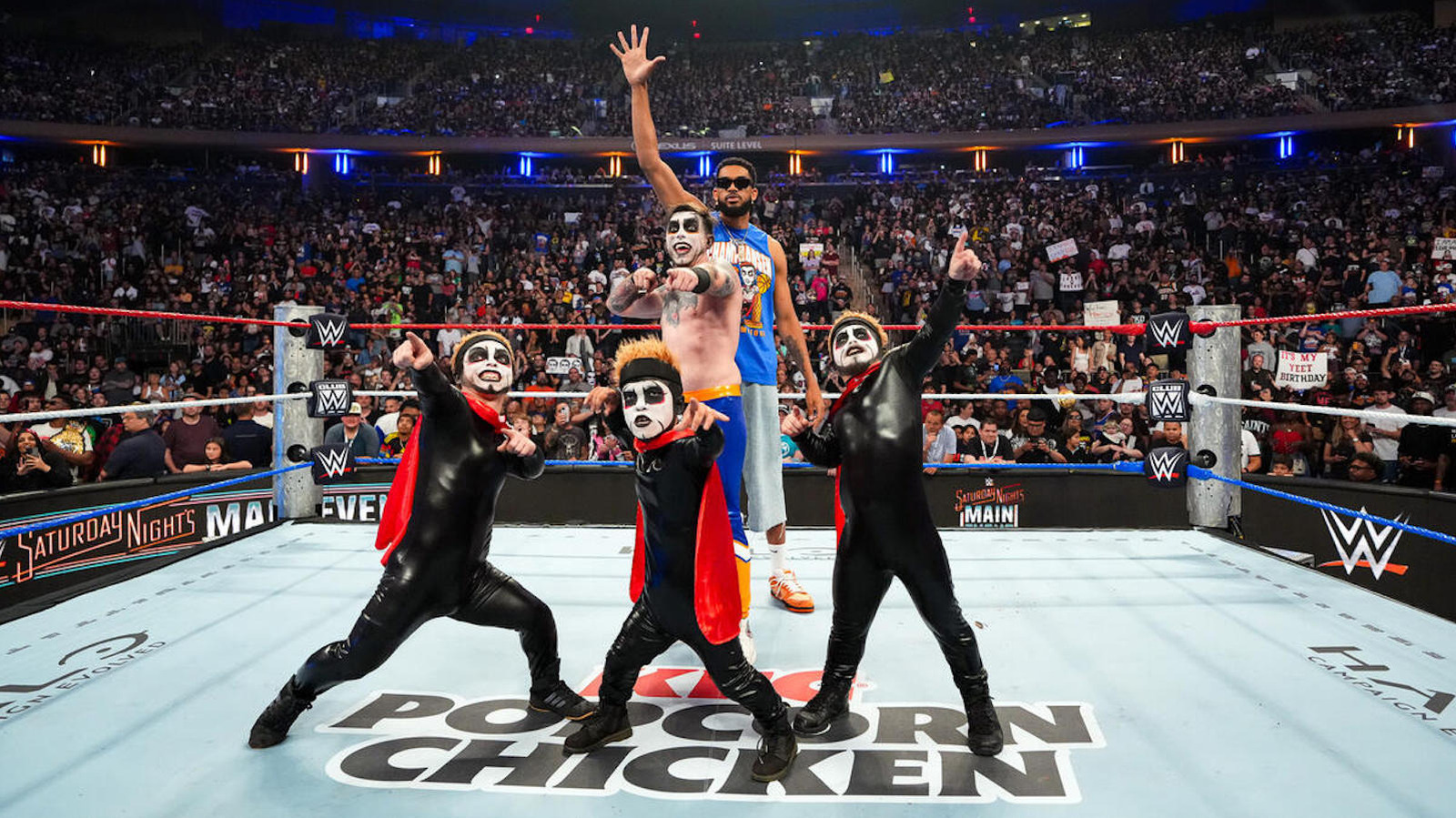
WWE's Saturday Night's Main Event math doesn't add up
2 hours agoWWE's return to New York changes the math on stadium attendance
2 hours ago
Top 10: Top Moments from MSG
2 hours ago
SmackDown is drifting into mid-summer malaise
3 hours agoMore Analysis
WrestleMania 41 is shaping up as WWE's biggest moment in years
3 months, 2 weeks agoWrestleMania 41 is shaping up as WWE's biggest moment in years
3 months, 2 weeks ago
WrestleMania 41 is shaping up as a high-stakes turning point for WWE
3 months, 1 week ago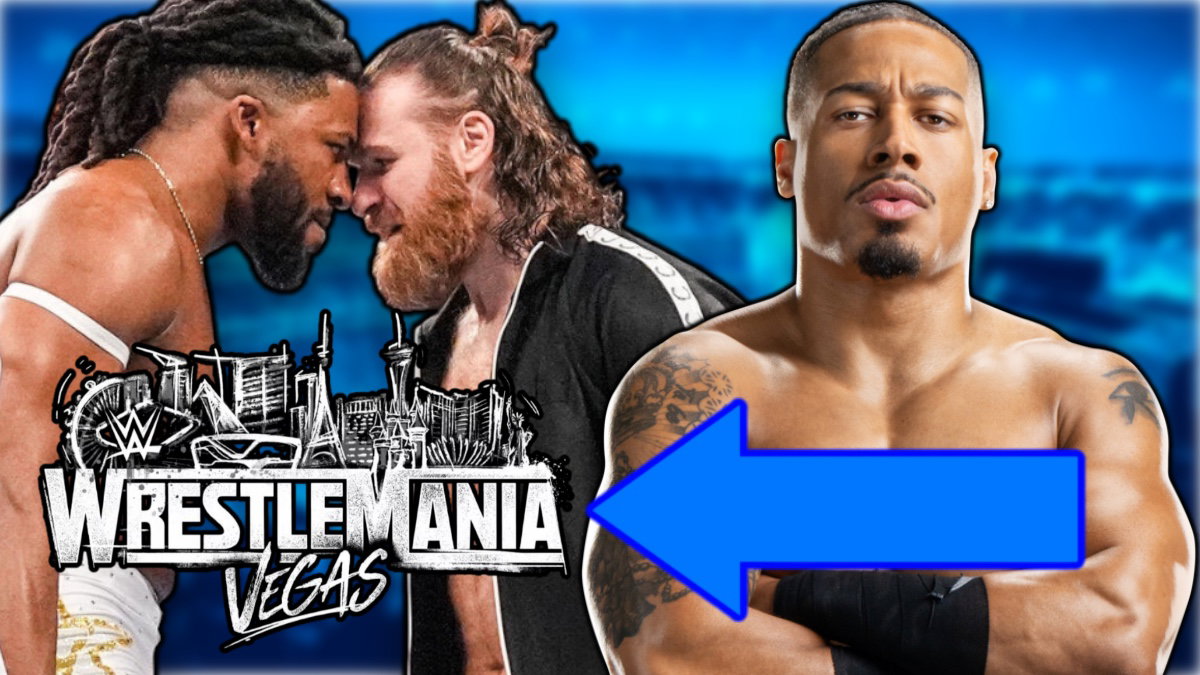
WrestleMania 41 is three weeks away and the booking feels unusually tense
3 months, 2 weeks ago