The Longest Walk To The Ring
If you were inside the ECW Arena on a Saturday night in 1996, you didn't just watch a wrestling show. You survived an experience. The opening chords of Metallica's legendary track would tear through the blown-out speakers, and the crowd would absolutely lose its mind.
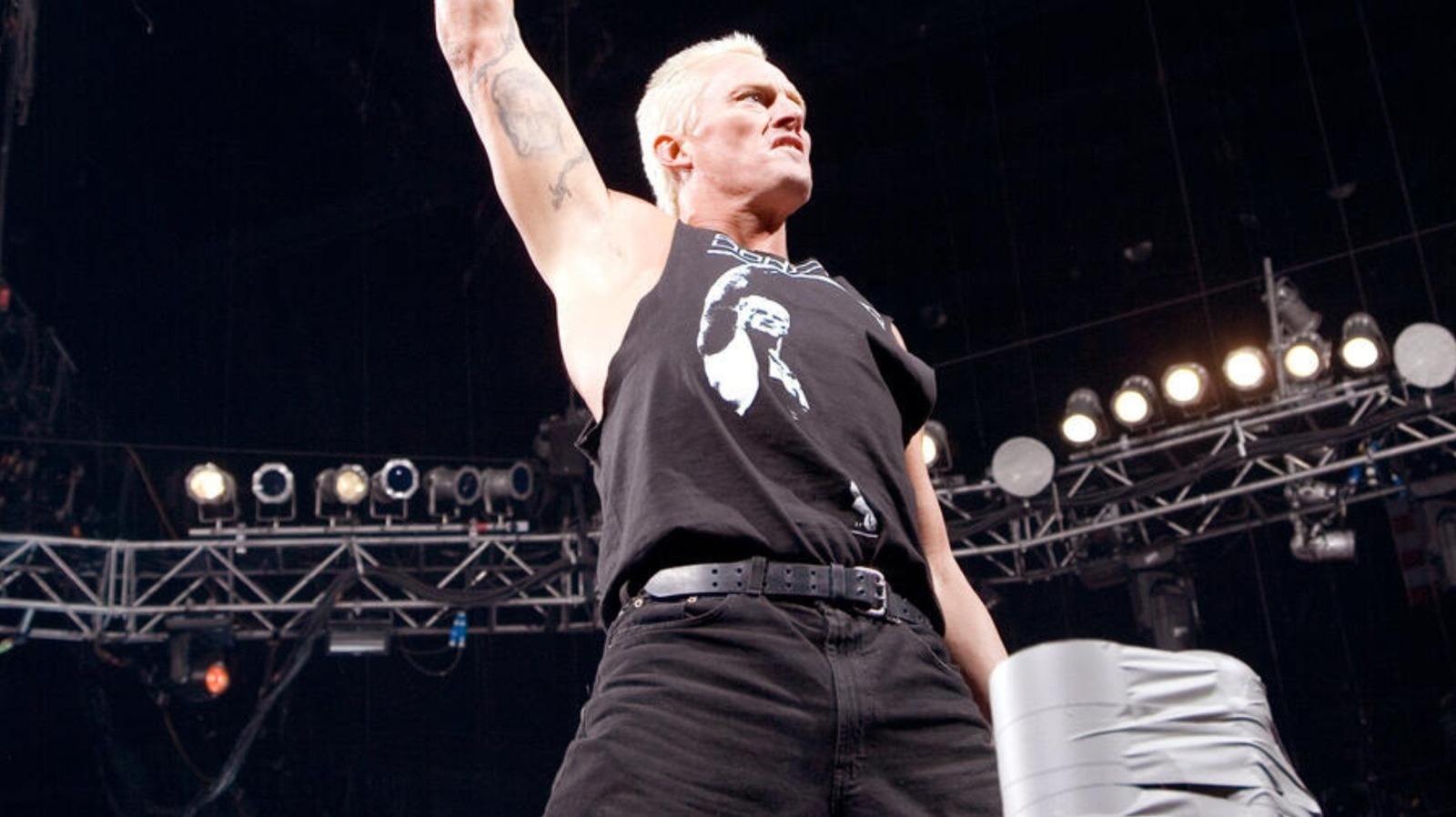
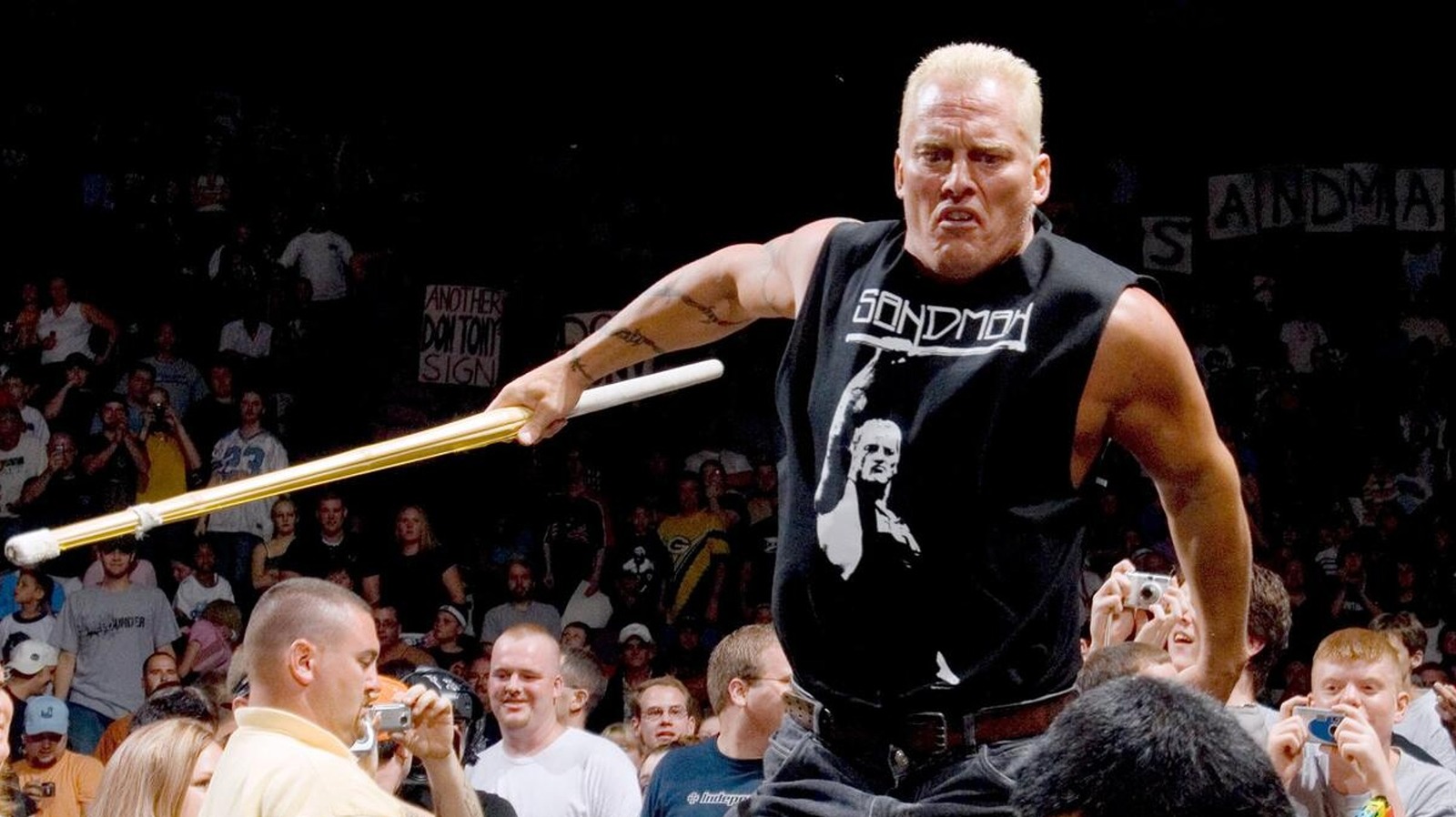
Jim Fullington, known to the world as The Sandman, would emerge from the curtain. He didn't sprint to the ring like Ultimate Warrior, nor did he pose on the stage like Shawn Michaels. He walked through the crowd, deliberately and chaotically, a cigarette dangling from his lips and a Singapore cane gripped tightly in his hand.
Fans would hand him beers, which he would crack open, chug half, and smash into his forehead until he bled. It was an entrance that could take ten minutes of pure, unadulterated spectacle. It remains the defining image of Extreme Championship Wrestling.
A blue-collar brawler who liked to get loaded before a fight felt like the ultimate anti-hero for a fanbase sick of wholesome babyfaces. But the ugly truth behind the smoke and mirrors has become impossible to ignore. We were just watching a man self-destruct in real time, and paying him to do it.
When The Gimmick Is Just Reality
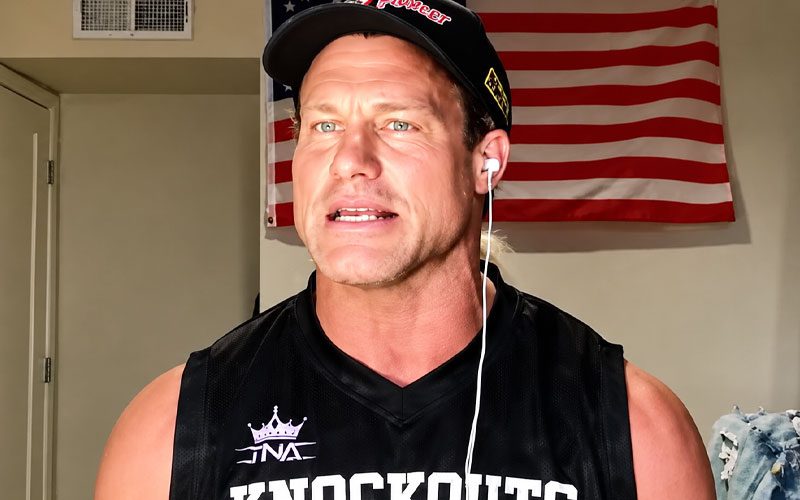
Recently, Fullington opened up about his time in the Philadelphia-based promotion, and his reflections paint a grim picture. According to recent reports from Wrestling Inc, the former ECW World Heavyweight Champion admitted that his hard-partying lifestyle wasn't just tolerated by management. It was actively welcomed.
He spoke candidly about his history with overdosing, stripping away any lingering nostalgia about the glory days of extreme wrestling. This wasn't a case of a performer hiding his demons from his boss, because the demons were the draw. When he stumbled through the curtain, the audience wasn't evaluating his grappling skills; they were reacting to the visceral energy of a man completely unhinged.
In modern professional wrestling, a performer who showed up heavily intoxicated would be sent home immediately. They would be forced into rehab and stripped of their title. The major promotions today have strict wellness policies designed to protect the talent from themselves.
In ECW, if you were compromised, they handed you a live microphone and sent you out to the main event. Fullington wasn't a master technician who could wrestle a sixty-minute broadway with Ric Flair. His entire appeal was based on unpredictable, chaotic energy, and management knew a clean-cut Sandman would draw exactly zero dimes.
The Enablers At The Top
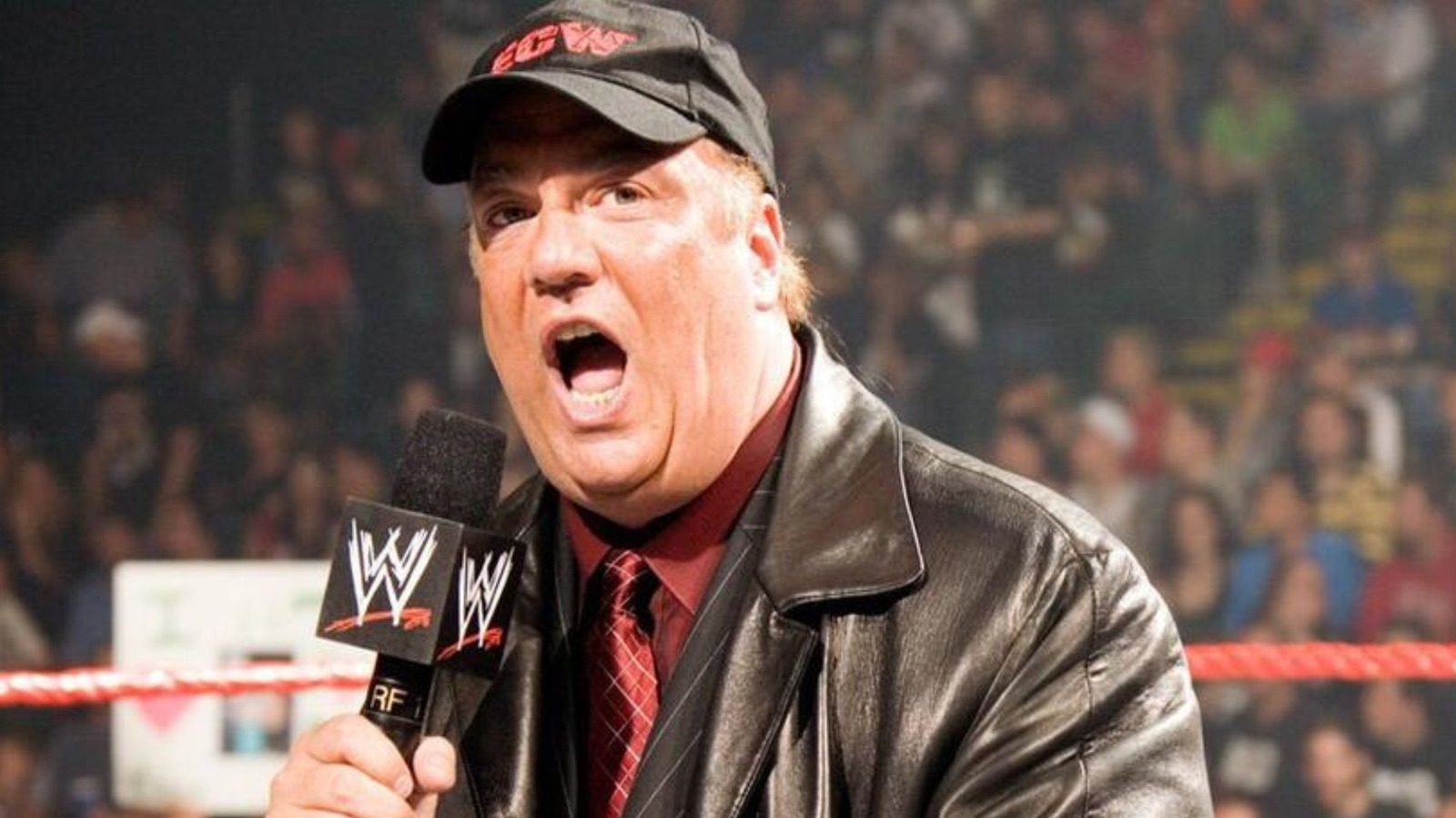
It is impossible to talk about the culture of ECW without talking about Paul Heyman. The mad genius of professional wrestling built a revolutionary television product on a shoestring budget by identifying raw, unrefined talents. He figured out how to hide their weaknesses in the ring while amplifying their unique strengths for the cameras.
But that undeniable creative genius came with a massive blind spot regarding talent welfare. Heyman fostered an intense locker room mentality where the roster felt like a band of brothers fighting a daily war against the billionaire tycoons. That fierce loyalty kept the talent working through bounced checks, torn ligaments, and severe concussions.
There was no dedicated medical team waiting at ringside to evaluate concussions or check for internal bleeding. If a performer collapsed, another wrestler simply carried them to the back, often while the match continued. The promotion could barely afford to pay the talent, much less secure comprehensive insurance policies or professional doctors, leaving the roster completely unprotected.
It also created an incredibly toxic environment where nobody ever said stop. When Sandman admits his hard-partying ways were openly welcomed, it highlights the darkest aspect of the extreme wrestling revolution. If keeping their top star happy meant turning a blind eye to overdoses, that was simply considered the cost of doing business.
The storylines often leaned heavily into these deeply personal, real-life issues. Sandman's legendary feud with Raven centered entirely around Fullington's real-life divorce and his inability to be a present father. Exploiting a man's legitimate struggles with addiction and family breakdown for cheap television heat feels deeply uncomfortable today.
A Trail Of Broken Bodies
This is where we have to be honest with ourselves as hardcore wrestling fans. We are the ones who bought the bootleg t-shirts, ordered the pay-per-views, and demanded broken glass. We wanted the thrilling illusion of danger, but we completely ignored the very real danger happening just behind the curtain.
This wasn't just a failure of management; it was a collective failure of the wrestling community at large, who enabled the violence because it made for great television. The tape-trading community would specifically seek out the bloodiest, most unhinged matches from the Arena. By rewarding the most self-destructive behaviors with standing ovations and magazine covers, the audience became completely complicit in the damage.
The casualty rate of the extreme era is a permanent, indelible stain on the entire wrestling industry. The list of ECW alumni who died prematurely is staggering and depressing. The extreme in-ring style, combined with a total lack of medical oversight and a rampant culture of hard drugs, created a lost generation.
The fact that Jim Fullington is still alive to give these retrospective interviews in 2026 is a massive statistical anomaly. He survived a promotion that actively encouraged him to treat his own body like a roaring dumpster fire. He survived the unprotected chair shots directly to the skull and the overdoses that would have killed a normal human being.
But mere survival shouldn't be the bar we set for the professional wrestling industry. We treat that dead promotion like a sacred cow, a rebellious punk rock band that changed the music industry forever. In harsh reality, it was an unregulated, exploitative carny show that chewed up its dedicated performers and spit them out.
The Legacy Of The Bingo Hall
There will always be a prominent place in wrestling history for The Sandman. You simply cannot tell the full story of the 1990s boom period without talking about his iconic entrance and his bizarre connection with the Philadelphia faithful. He was a champion who fundamentally helped push the entire industry in a grittier direction.
When Stone Cold Steve Austin started drinking domestic beers in the middle of the ring, the DNA of The Sandman was undeniably present. The wildly successful Attitude Era borrowed heavily from the grimy Bingo Hall playbook. Fullington was a pioneer of the flawed anti-hero archetype that eventually defined the most lucrative period in global wrestling history.
But we can acknowledge his massive historical impact while fiercely condemning the toxic environment that very nearly killed him. The welcomed culture of hard partying wasn't a cool, rebellious quirk to be celebrated. Management completely failed him, the wrestling industry failed him, and frankly, the fans failed him by constantly demanding more flesh and blood.
What Happens Next
As the biggest stars of the 1990s continue to age into their twilight years, we are undoubtedly going to hear far more of these harrowing stories. The protective veil of kayfabe is entirely gone now. The exhausted survivors are finally ready to talk honestly about the grim reality of the extreme locker room.
The romanticized version of the 1990s is steadily crumbling under the weight of reality. Future generations of fans will look back at the extreme era with a profound sense of horror rather than misplaced awe. We can no longer pretend we didn't know the human cost of our entertainment.
We are going to witness a fundamental shift in exactly how wrestling history is documented and discussed. The highly polished WWE documentaries have always painted ECW as a scrappy, lovable underdog story. But independent journalists, historians, and the actual wrestlers themselves are finally starting to take control of the historical narrative.
Prediction: Within the next two years, the wrestling community will completely turn its collective back on the blind nostalgia of the extreme era. As more gruesome details inevitably emerge about the severe negligence, the ECW Arena will permanently stop being viewed as a holy cathedral of wrestling. It will be remembered as a dangerous enabler of brutal self-destruction, and that reckoning is long overdue.