
Why retired pros are the answer to lower-league stagnation
The shift toward hands-on ownership
Modern football history is littered with venture capitalists and state funds stripping the soul out of historic clubs. We watch the financial reports climb while the match-day atmosphere flatlines. Now, a different class of investor is emerging from the dressing room rather than the boardroom.
Former athletes are entering the lower tiers of the football pyramid with a clear intent: stability over extraction. As recent reporting on veteran involvement highlights, this shift is providing a necessary buffer against the standard corporate malaise. These aren't just vanity projects; they are tactical re-investments into local community identity.
Tactical rebuilding from the ground up
The operational reality of a local club is often ignored until a crisis hits. You see it in the crumbling masonry of stands or the failure to maintain a consistent youth pipeline. Former professionals realize that a club's equity is tied to its local footprint, not just a global broadcast deal that never reaches the lower divisions.
By prioritizing infrastructure over quick-fix marketing stunts, these owners are stabilizing clubs that have hovered near 0 percent profit margins for decades. They understand that a winning record on the pitch is the only real marketing tool that matters. It creates a feedback loop where ticket sales rise alongside professional standards, forcing local rivals to modernize or risk irrelevance.
The risk of romantic mismanagement
We must keep our expectations grounded. Simply having been an athlete does not guarantee a successful tenure as a chairman or director. There is a frequent blind spot where retired stars assume their playing pedigree excuses poor financial oversight or erratic transfer strategies. We have seen ego-driven hirings lead clubs into administrative turmoil before the project even gets off the ground.
When a club fails to integrate these new owners into a professional framework, the results are predictable. A poor manager appointment or a reckless wage structure can drain that 5 million pound initial investment in two seasons. The reliance on reputation alone is a fatal error in a sport that demands cold, algorithmic decision-making.
The path toward sustainable competition
The goal should be to replicate the operational efficiency of elite clubs on a micro scale. This means utilizing data-driven scouting networks that don't cost millions and focusing on youth development as a primary revenue engine. By keeping the wage-to-turnover ratio under 60 percent, these owners can actually keep the lights on without relying on external bailouts.
If this transition continues, we might witness a genuine shift in how local football maintains its relevance. It is a long-term play, often spanning 10 years to reach full maturity, but it beats the alternative of perpetual decline. The clubs that embrace this hybrid model—professional guidance combined with grassroots urgency—will define the coming era of sport.
WWE Elite Collection Series 109 - Jey Uso Action Figure
Main Event Jey Uso, fully articulated and ready to hit the superkick.
More Coverage

WrestleMania 43 weekend is more than just a main event
21 hours ago
The math behind Roman Reigns' longevity in WWE
21 hours ago
WWE wants your 99 dollars and they aren't hiding it
1 day, 21 hours ago
Paul Heyman's next move and a messy week in the wrestling world
5 days, 1 hour ago
AEW and MLP are battling for control of the November calendar
5 days, 23 hours ago
Bryan Danielson is pulling the strings while AEW’s attendance hits a wall
6 days, 1 hour agoMore Analysis
When your central midfielder is also signing the payroll checks
2 months ago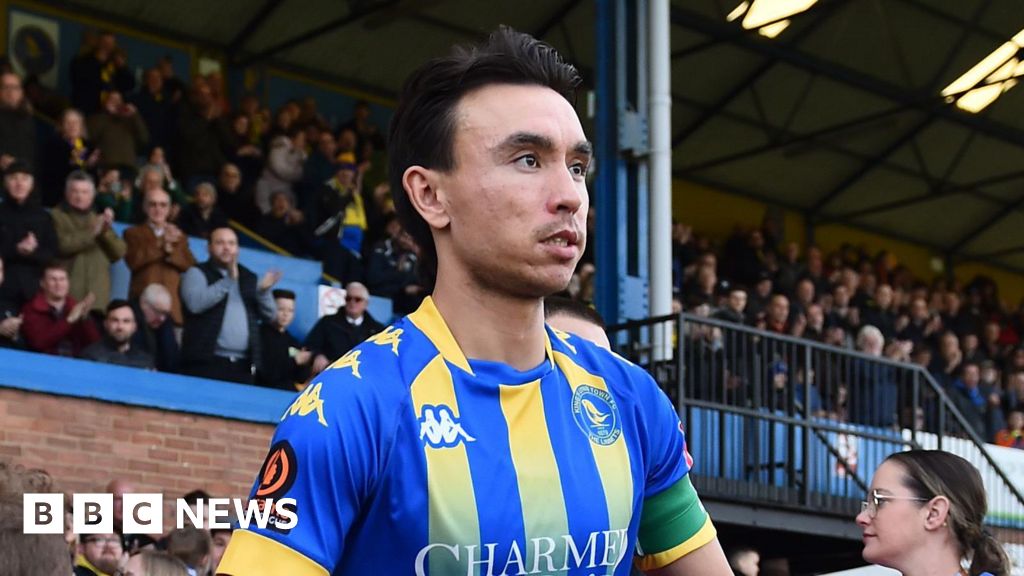
King’s Lynn Town just went full Football Manager and I’m here for it
2 months agoNon-league chairmen need to stop acting like they are in a Guy Ritchie movie
3 months, 1 week agoGareth Bale is trading his boots for a boardroom nightmare
3 weeks, 6 days ago