The technical legacy of the mid-90s WCW cruiserweight pivot
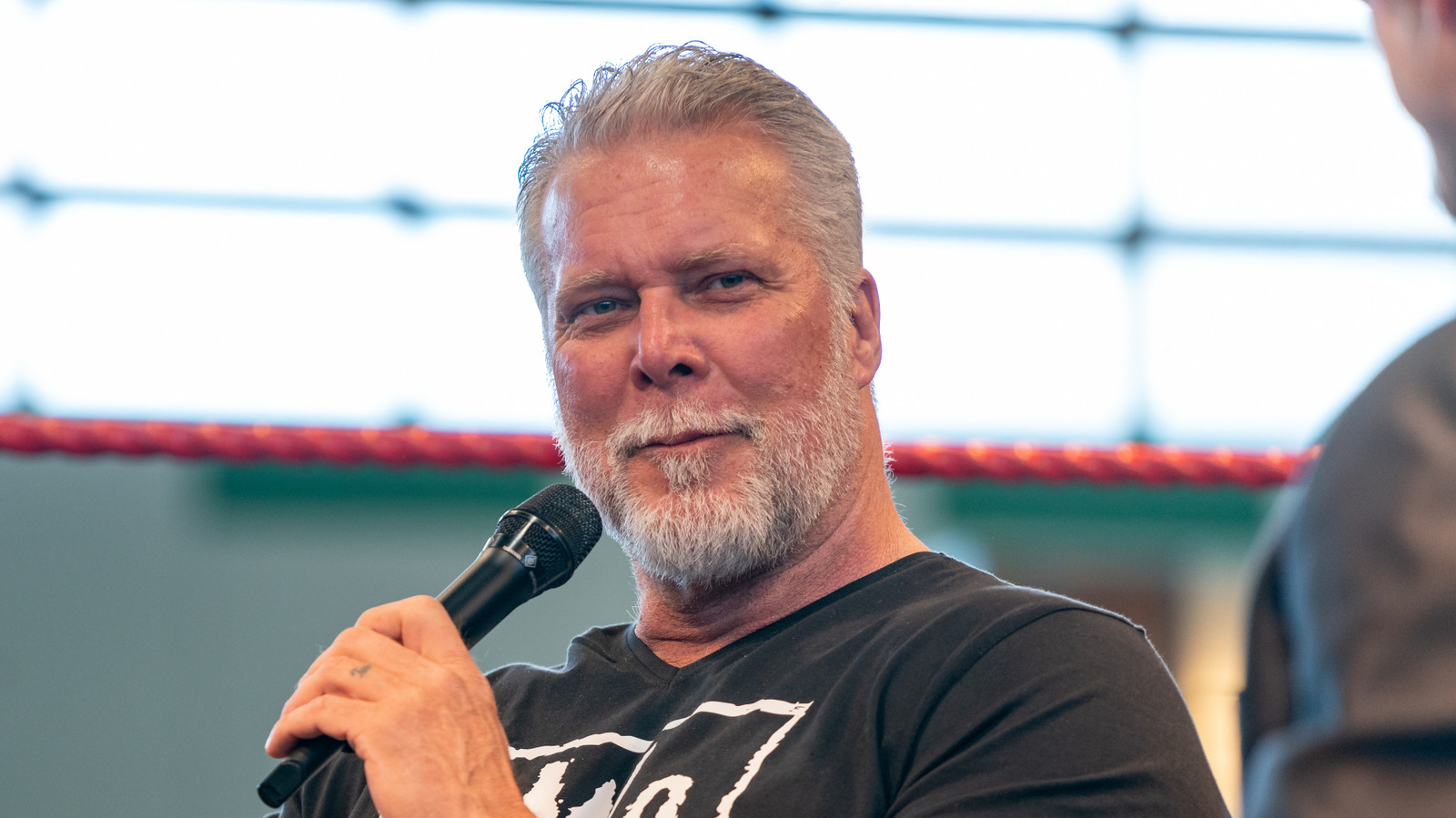
When Kevin Nash looks back at the mid-90s, he often points toward a specific intersection of styles that changed how North American rosters were constructed. The high praise Nash offered for the original La Parka and his cohort serves as a necessary reminder that the success of that era was built on velocity rather than just pure size. Analysts often oversimplify those WCW cards by citing the main event muscle, but the internal clock of the undercard was driven by guys who operated at a completely different tempo.
La Parka was never just a mask-wearing showman; he understood how to manipulate space in a twelve-minute TV slot. He functioned as a mobile base for high-flyers, but his own offensive output—specifically his signature corner thrust kicks and chair-assisted maneuvers—provided a chaotic contrast to the mechanical, ground-based wrestling typical of the decade. Watching those matches today, the spacing remains ahead of its time. You see a lack of dead air that many modern promotions still fail to emulate.
Where the current circuit fumbles the high-flying blueprint
Modern wrestling often confuses speed for intensity. We see talent moving from spot to spot without the connective tissue that made guys like La Parka effective. In the London scene recently analyzed at EVE 150, the focus on technical grappling over plodding narrative beats shows a positive correction. Yet, the inability of some performers to maintain a consistent rhythm when transitioning between high-intensity spots remains a flaw that breaks immersion.
The current obsession with 'moves per minute' often results in diminished returns by the 15-minute mark. A match should build toward a crescendo. Instead, I frequently see a peak in intensity at the five-minute mark, followed by a plateau where the pacing drags until the finish. This is a booking failure, yes, but also a failure in ring generalship. Performers need to learn how to rest while still appearing dangerous, a trick that the top-tier WCW luchadors mastered by selling for just enough time to reset the tension.
Measuring the impact of the chair-wielding chaos
We cannot discuss this without acknowledging the inherent risks involved in replicating that style. La Parka’s heavy reliance on external objects forced referees into difficult spots. Today’s safety protocols have largely scrubbed that edge, which leaves some modern 'hardcore' bouts feeling choreographic rather than dangerous. The grit came from the improvisation.
If we compare this to how Roxanne Perez utilizes granular spacing to dictate the flow of a match, the difference in philosophy becomes clear. One style is about explosive, improvised chaos; the other is about surgical, step-by-step exhaustion. Both have their place, but the current industry needs to stop treating 'hybrid' as a catch-all term. You are either working to a rhythm, or you are working to a highlight reel.
Final tactical assessment
Predicting the trajectory of the cruiserweight style in 2026 is an exercise in identifying who understands the 'why' behind the move. The wrestlers who will define the next eighteen months are those who study the WCW tape not to copy the spots, but to understand the crowd-management techniques that kept mid-card matches feeling like major events. If you aren't watching your back-steps or creating distance during a strike exchange, you aren't working a style; you're just jumping until someone tells you to stop.