The transition from physical specimen to storyteller
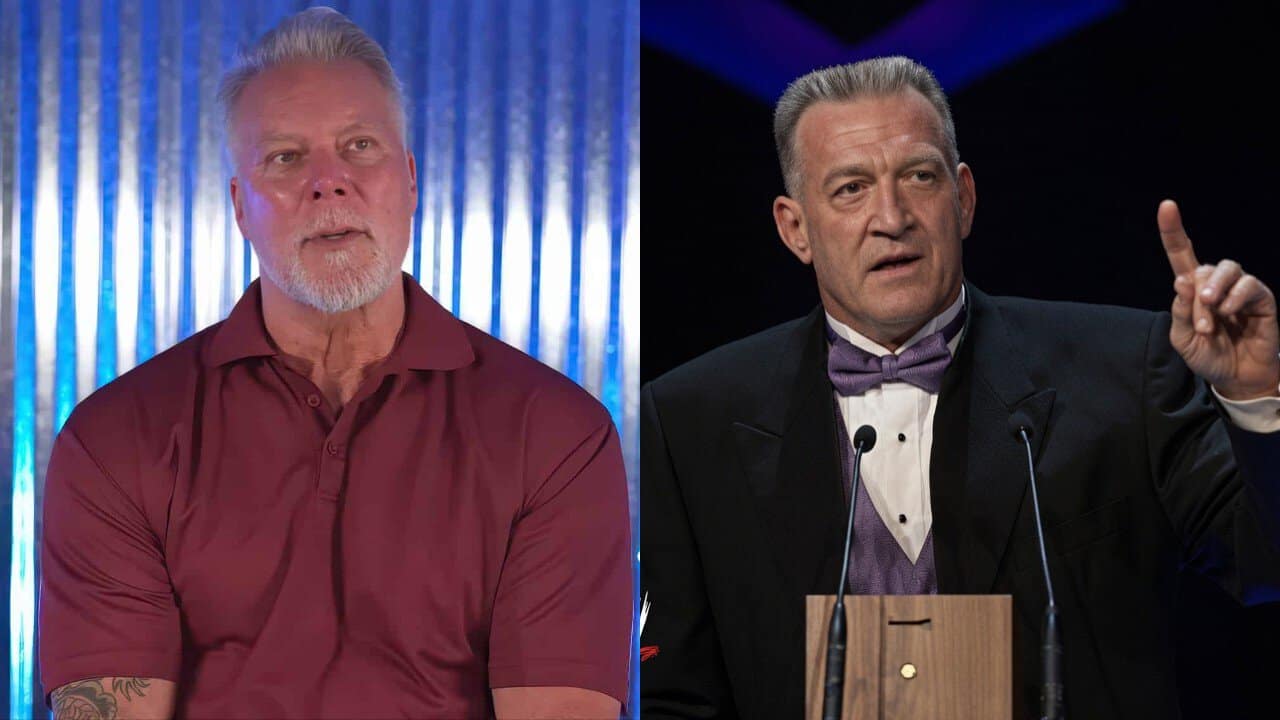
The industry often obsesses over the physical profile of a performer. We treat muscle mass and work rate as the primary indicators of success, yet long-term viability requires a secondary, more subtle skillset. Kevin Nash recently highlighted a definitive moment from his early career involving Paul Orndorff, a master of pacing who understood that crowd manipulation outweighs high-spot density.
Applying the Orndorff methodology to the current roster
Nash noted that after a lackluster session in the ring, Orndorff forced him to slow his cadence to an agonizing crawl. The objective was not to perform, but to ensure the audience tracked every beat of the confrontation. Modern wrestling often loses this thread by prioritizing sequence volume over psychological spacing. If a talent is hitting six high-velocity maneuvers in a three-minute window, the viewer rarely gets the necessary interval to register the stakes.
The danger of high-frequency repetition
Watching recent television, it is clear that many performers are caught in a cycle of diminishing returns. When a wrestler performs the same powerbomb or superkick on July 11 as they did two weeks ago, the physical impact remains but the emotional significance wanes. This is the structural flaw seen in the recent analysis of SmackDown's booking trends, where the reliance on stale rematches erodes the perceived value of the performers involved.
Why spacing matters for main event legitimacy
Orndorff’s genius was in the hold. He understood that a rest hold isn't a break for the performer; it is a tactical reset for the audience. By forcing the air out of the room, he created a vacuum that he would eventually fill with a singular flash of brilliance. Today, the urge to keep the pace at a sprint is technically impressive but narratively hollow. We see matches where the combined transition count exceeds 40 per contest without a single genuine shift in competitive momentum.
Predicting the pivot
The wrestlers who will define the next eighteen months are those who learn this lesson. We need to see less reliance on pre-choreographed flurries and more focus on the Orndorff-style 'slow burn' that Nash referenced. I predict the next breakout star will not be the one with the most varied moveset, but the one who earns a 65 percent pop-reaction rate by standing still for an extra ten seconds before connecting with a signature maneuver. The performers who refuse to adapt to this pacing reality will find themselves relegated to the bottom of the card by year-end. Those who internalize the pacing, however, will dictate the pace of the main events to come.