The prophecy of the Protostar
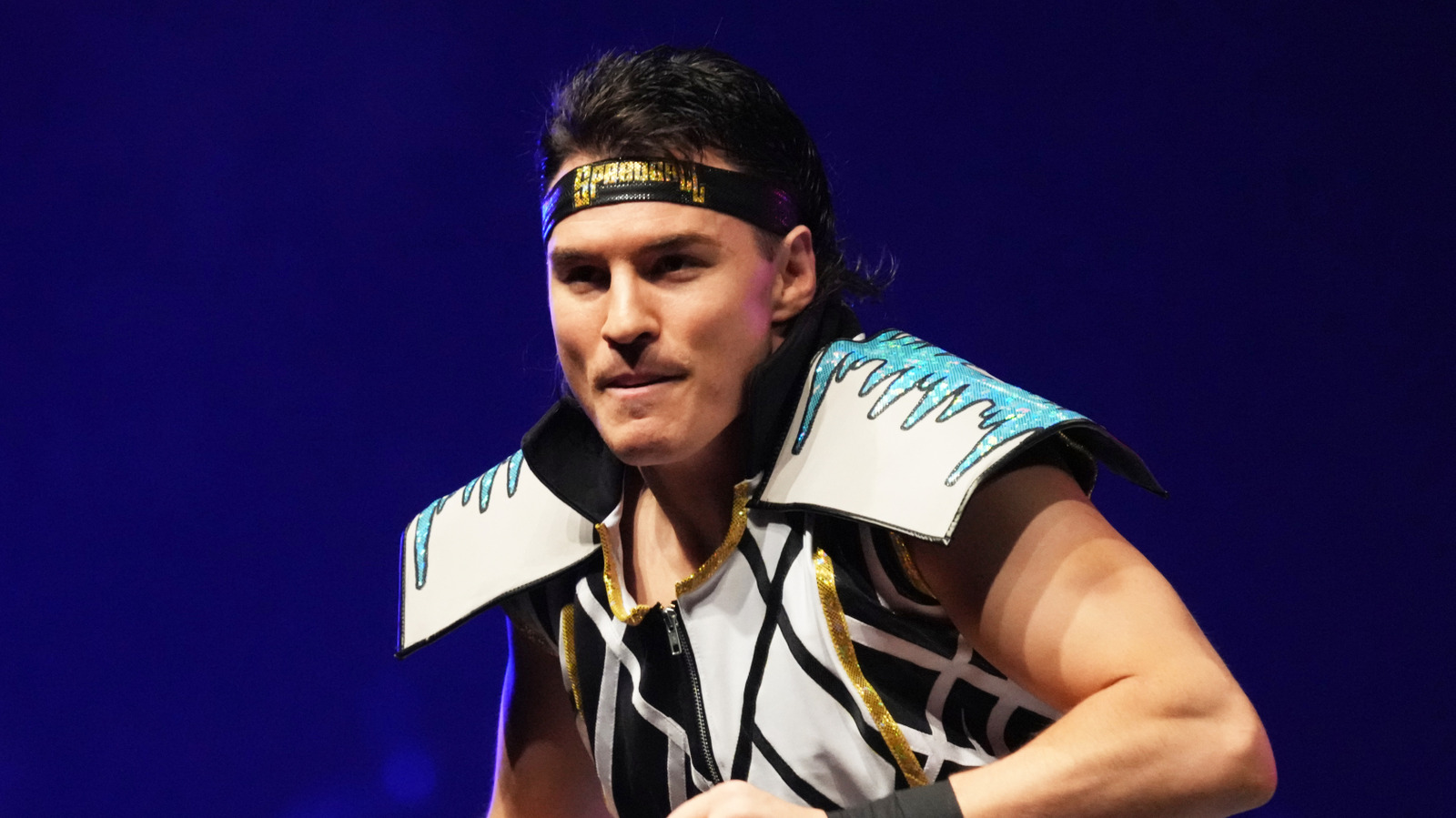
WrestleMania 41 is barely four days in the rearview mirror, and while the WWE world is busy dissecting Cody Rhodes’ successful title defense and the fallout of the Bloodline’s latest internal coup, a different kind of conversation is happening on the other side of the fence. When "Speedball" Mike Bailey speaks about the technical merits of a peer, the industry usually listens with a pen and notepad in hand. Bailey is a man who has wrestled in every high-school gym and major arena across three continents, a workhorse who understands the mechanics of this business better than almost anyone currently under contract.
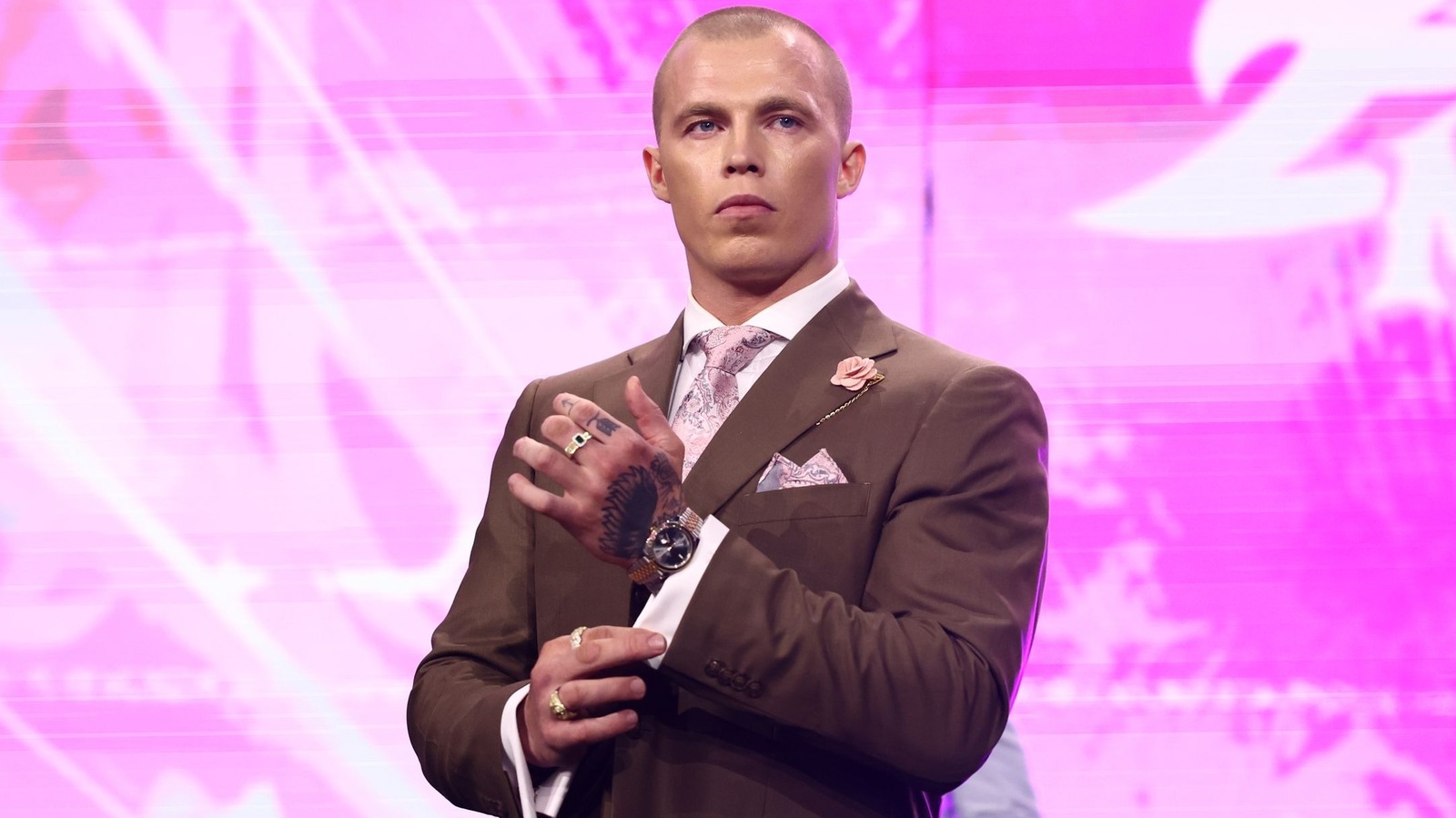
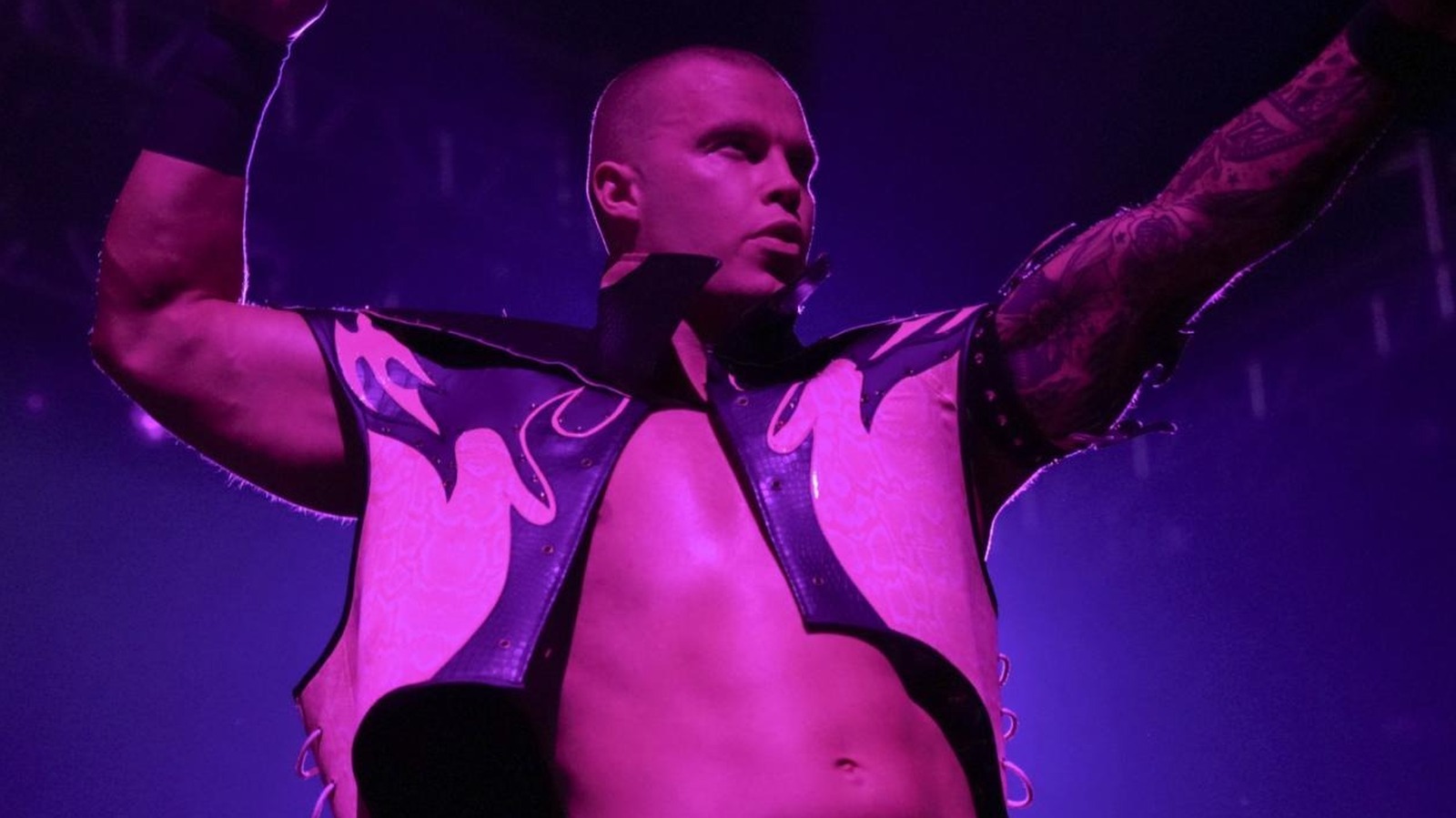
His recent endorsement of Kyle Fletcher isn’t just typical locker-room diplomacy. Bailey has explicitly stated that his rival and former TNT Champion is on a trajectory to be the "best in the world," if he hasn't already reached that summit. It is a bold claim in a world that currently contains Will Ospreay, Gunther, and Kenny Omega, but if you have been watching Fletcher’s evolution since April 23, 2026, you know this isn't hyperbole. Fletcher has moved past the stage of being a high-ceiling prospect; he is now a predatory force that defines the modern hybrid style.
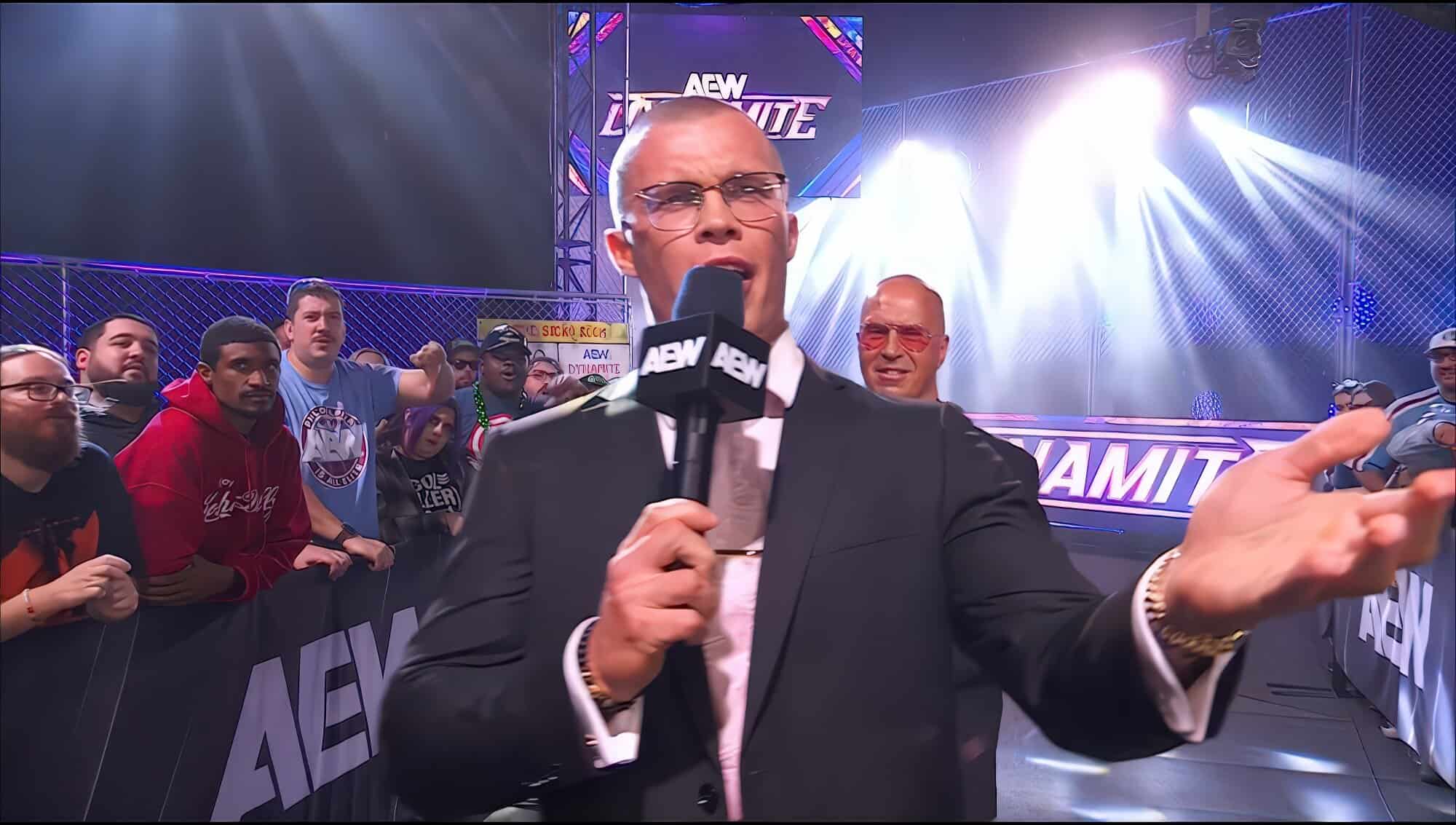
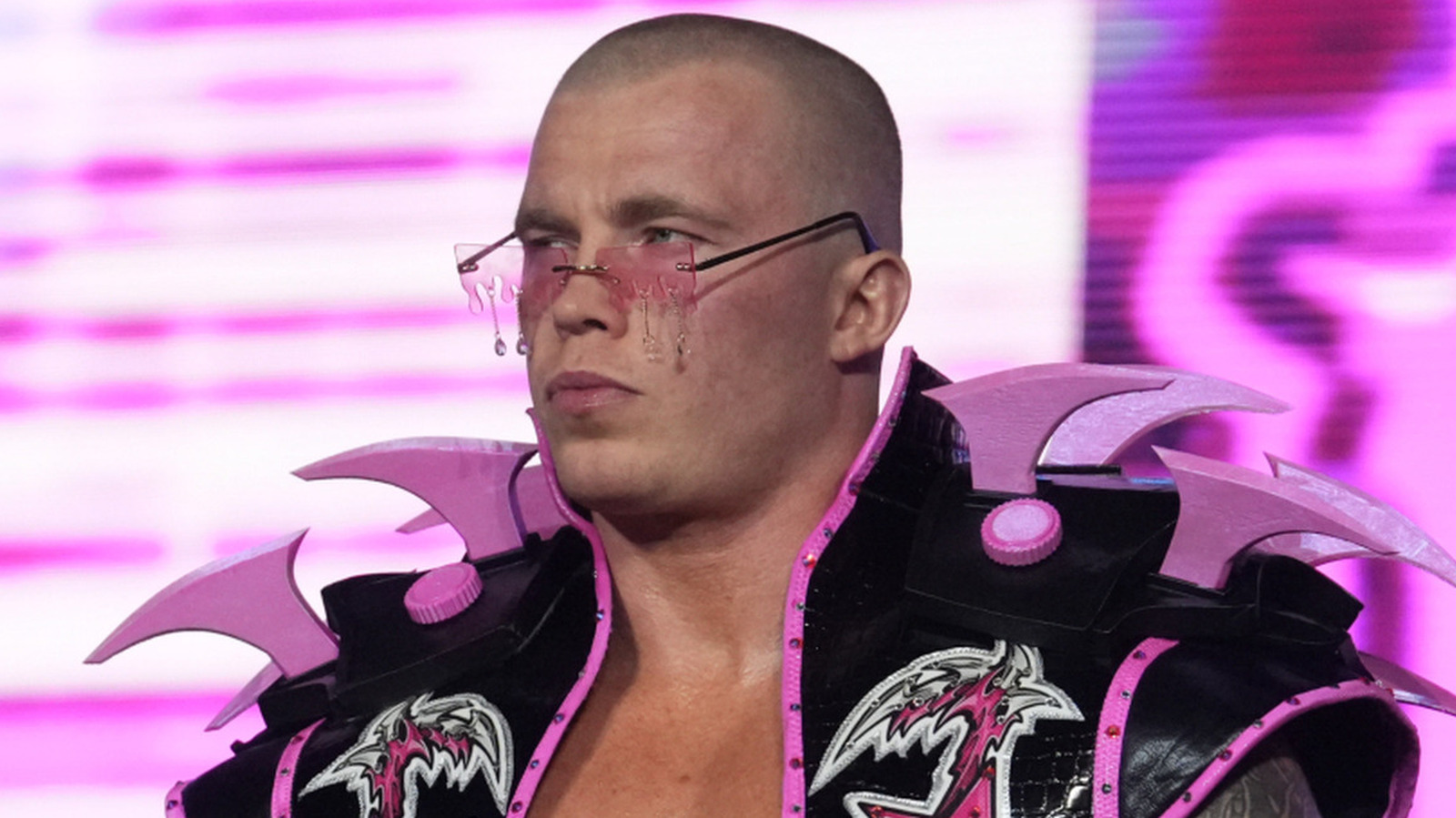
The transformation of Fletcher from the flashy "Protostar" of Aussie Open into the cold-blooded executioner of the Don Callis Family has been one of the most successful character pivots in recent memory. At 27 years old, Fletcher possesses a rare combination of 6-foot-4 frame and the rotational speed of a cruiserweight. Most wrestlers his size are taught to work "big," which usually means a diet of boots, slams, and rest holds. Fletcher rejected that manual, opting instead to blend the violent snap of Japanese strong style with the death-defying aerialism that made him a standout in the UK independent scene.
Technical violence and the Callis tax
To understand why Bailey is so high on Fletcher, you have to look at the specific mechanics of his offense. Watch the way he executes a brainbuster. It isn't just a vertical drop; it is a snapping, high-angle transition that looks like it could end a career in an instant. His signature Grimstone—a pumphandle piledriver that requires immense core strength to stabilize a struggling opponent—is arguably the most protected and visually devastating finisher in AEW today. He doesn't just hit moves; he executes them with a level of spite that makes the performance feel uncomfortably real.
However, no technical analyst can ignore the "Callis tax" that currently weighs down Fletcher's singles run. While Don Callis has certainly provided the platform for Fletcher to move into the main event spotlight, the constant interference and the "Family" drama often act as a distraction from Fletcher’s pure wrestling ability. There is a nagging sense that Fletcher is occasionally playing second fiddle to Konosuke Takeshita or acting as a high-level bodyguard rather than the centerpiece he deserves to be. If Fletcher is going to truly become the best in the world, he eventually has to outgrow the need for a carny mouthpiece and stand on his own two feet.
The recent matches between Fletcher and Bailey have served as a masterclass in pacing. In their most recent encounter, Fletcher’s ability to counter a rolling elbow into a bridging dragon suplex showed a level of situational awareness that usually takes fifteen years to develop. He understands the geometry of the ring. He knows exactly how to use his long limbs to cut off the ring, and his cardio is such that he can maintain a 25-minute sprint without his technique deteriorating into the sloppy, heavy-breathing territory that plagues other heavyweights.
The Ospreay shadow and the looming summit
For years, Fletcher was seen as the "little brother" to Will Ospreay. They shared a faction in United Empire, they shared a training lineage, and they shared a penchant for terrifyingly fast wrestling. But as we head toward Double or Nothing in 31 days, the student is no longer mimicking the teacher. Fletcher has developed a more grounded, cynical edge to his work that Ospreay lacks. While Ospreay is the ultimate superhero, Fletcher is becoming the ultimate antagonist—a man who can out-wrestle the technicians and out-fly the high-flyers while maintaining a sneering contempt for the audience.
Critics will point to his title loss in 2024 as a sign that he wasn't ready for the pressure of a sustained singles run, but that ignores the context of his growth since then. Fletcher has spent the last two years main-eventing Collision and Dynamite against the likes of Bryan Danielson and Jay White. He has absorbed the timing of the veterans and the intensity of the world-class strikers. He is no longer just a tag-team specialist waiting for Mark Davis to return from injury; he is a standalone entity who can carry a promotion on his back.
There is, of course, a negative observation to be made about his current trajectory: Fletcher sometimes falls in love with his own athleticism. There are moments where he chooses a spectacular dive over a logical submission, sacrificing the "win" for the highlight reel. It is a symptom of his age and the current AEW environment, where the "Holy Shit" chant is often valued more than the three-count. If he wants to reach the level of a Gunther or a peak Omega, he needs to learn when to slow down and let the violence breathe. Not every transition needs to be a 450 splash; sometimes a simple, grinding headlock tells a better story.
The final verdict
Mike Bailey is right to be terrified of what Kyle Fletcher is becoming. We are witnessing the final stages of a wrestler’s metamorphosis into a generational talent. The physical tools are all there, the platform is secured, and the peer respect is unanimous. Once Fletcher realizes that he is the most dangerous man in any building he walks into—with or without Don Callis by his side—the rest of the roster is in serious trouble.
My prediction is simple and I’m owning it: Kyle Fletcher will be the AEW World Champion before the calendar turns to 2027. He will defeat Mike Bailey in their next high-stakes encounter, potentially at Double or Nothing, and he will do it by leaning into the technical brutality that Bailey so rightly fears. He isn't just the future; he is the present, and the industry is about to find out exactly how high the Protostar can actually rise.