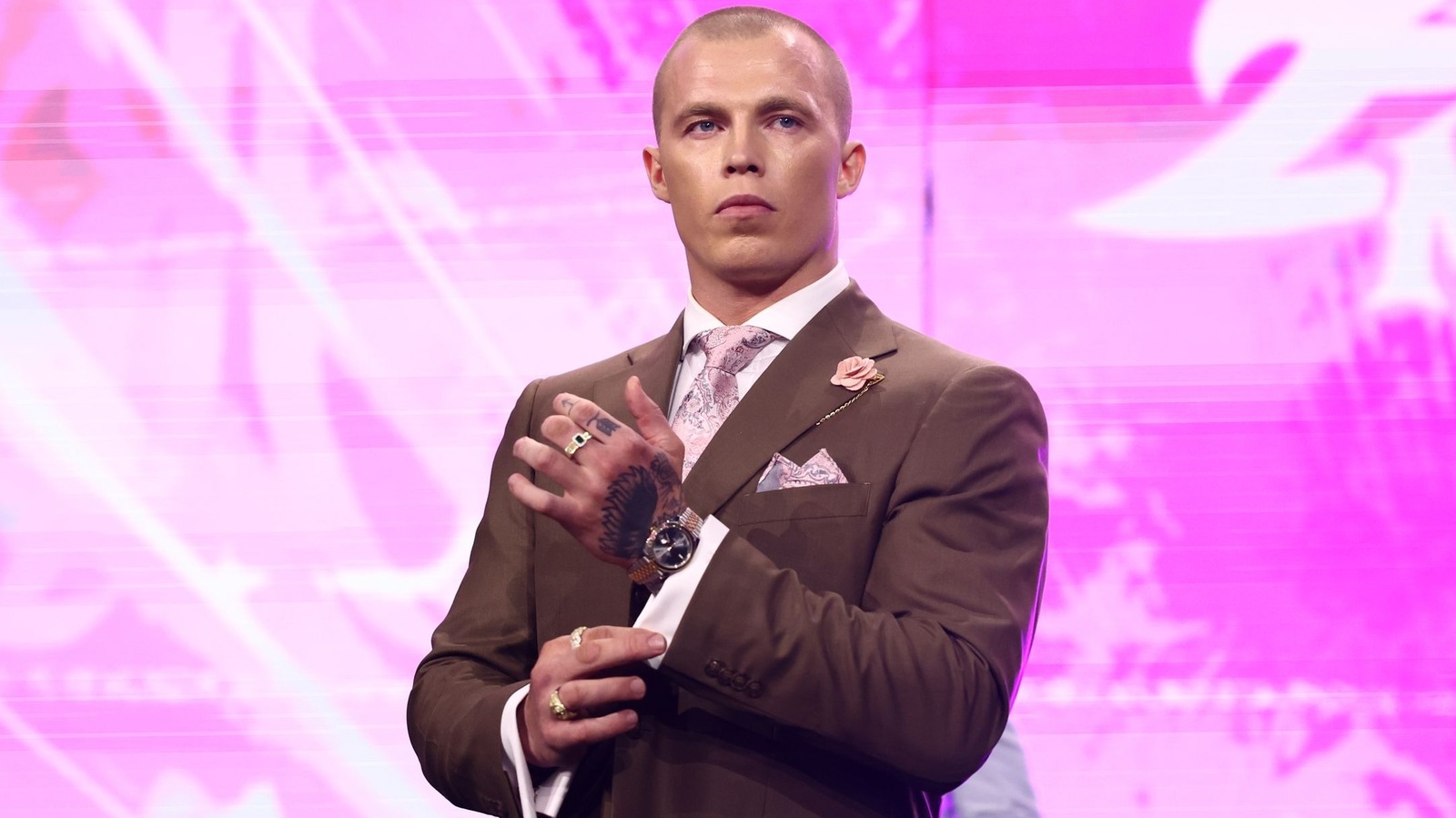
The shift in direction for the International Title
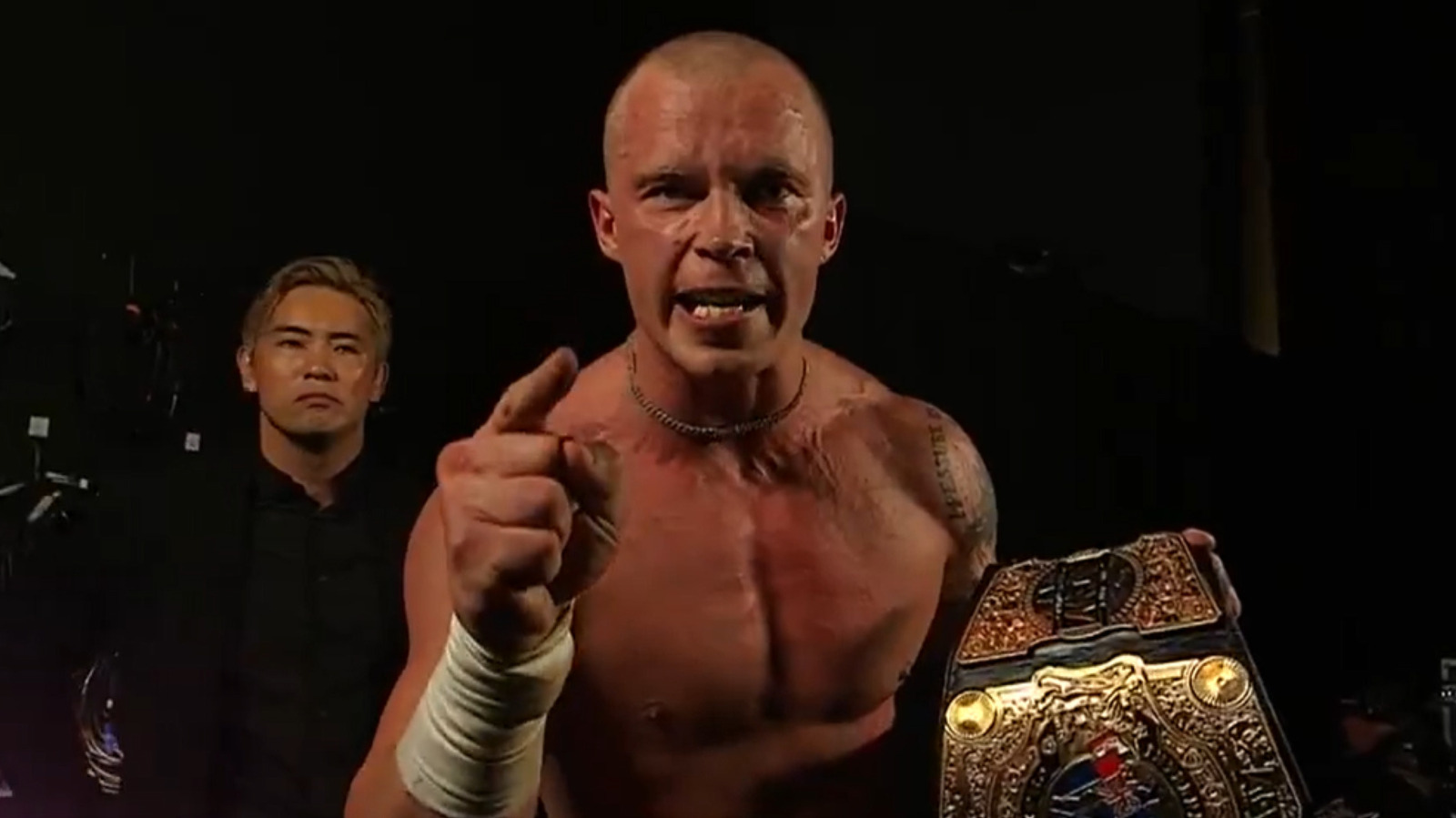
The International Championship has suffered from identity crises in recent years, often serving as a secondary belt without a clear purpose. Kyle Fletcher winning the strap and immediately defending it against Komander on Dynamite signals a return to the work-rate philosophy that defined the belt’s inception.
Fletcher’s victory wasn't just a win; it was an exercise in technical pacing. He managed to ground a high-flyer like Komander by neutralizing his mobility, specifically targeting the lower back during the middle portion of the bout. This is the kind of tactical acumen required for a mid-card champion who plans to hold the title through the summer.
Tactical flaws in the mid-card booking
While the match was fundamentally sound, the placement of the contest feels rushed. We are seeing a pattern where title defenses are slotted in without the necessary build-up to make the stakes feel genuine. As Wrestling Inc reported, this was Fletcher's first defense, but the narrative supporting it was threadbare.
A belt of this caliber needs challenger cycles that span more than a single commercial break. When champions face opponents with no prior history, the match quality relies entirely on the athleticism in the ring rather than the drama of the story. Fletcher is elite, but he cannot carry the division's momentum alone if the creative office doesn't provide legitimate contenders.
What to watch for in the coming weeks
The pacing of these matches is where the AEW main event scene is currently failing to bridge the gap with the undercard, a disconnect that should be addressed as proponents of closer booking have noted. If the International Title is to maintain prestige, the champion needs to beat veterans who force him to dig into his bag of tricks.
Expect Fletcher to transition into a program involving more aggressive strikers. He works best when the match devolves into a forearm-exchange-heavy affair, forcing him to sacrifice his technical structure for raw toughness. The 5 star potential of these matches is high, provided the opponent is allowed to be more than just a setup man for Fletcher’s signature spots.
The closing argument
I predict Fletcher’s title reign will be defined by a series of high-intensity sprints that prioritize athleticism over long-form storytelling. While this will produce some of the best television matches of 2026, it risks burning out the audience's investment in the belt if clear feuds are not established immediately.
Fletcher is a technician in a promotion dominated by chaotic styles. Expect him to keep the belt for at least 120 days, but keep an eye on his stamina during the stretch run of his next three defenses. If he continues to work at this current high frequency, his knees and lower back will reach a breaking point by late autumn.