The Celebrity Industrial Complex
We are currently living through the prompt-engineered era of professional wrestling. Every time a celebrity walks through the curtain, it feels like Triple H just smashed the 'Generate Viral Moment' button on a fine-tuned model of 1998. Sometimes you get the high-fidelity output of a Logan Paul or a Bad Bunny. Other times, you get the absolute hallucination of whatever Lil Yachty was supposed to be doing.
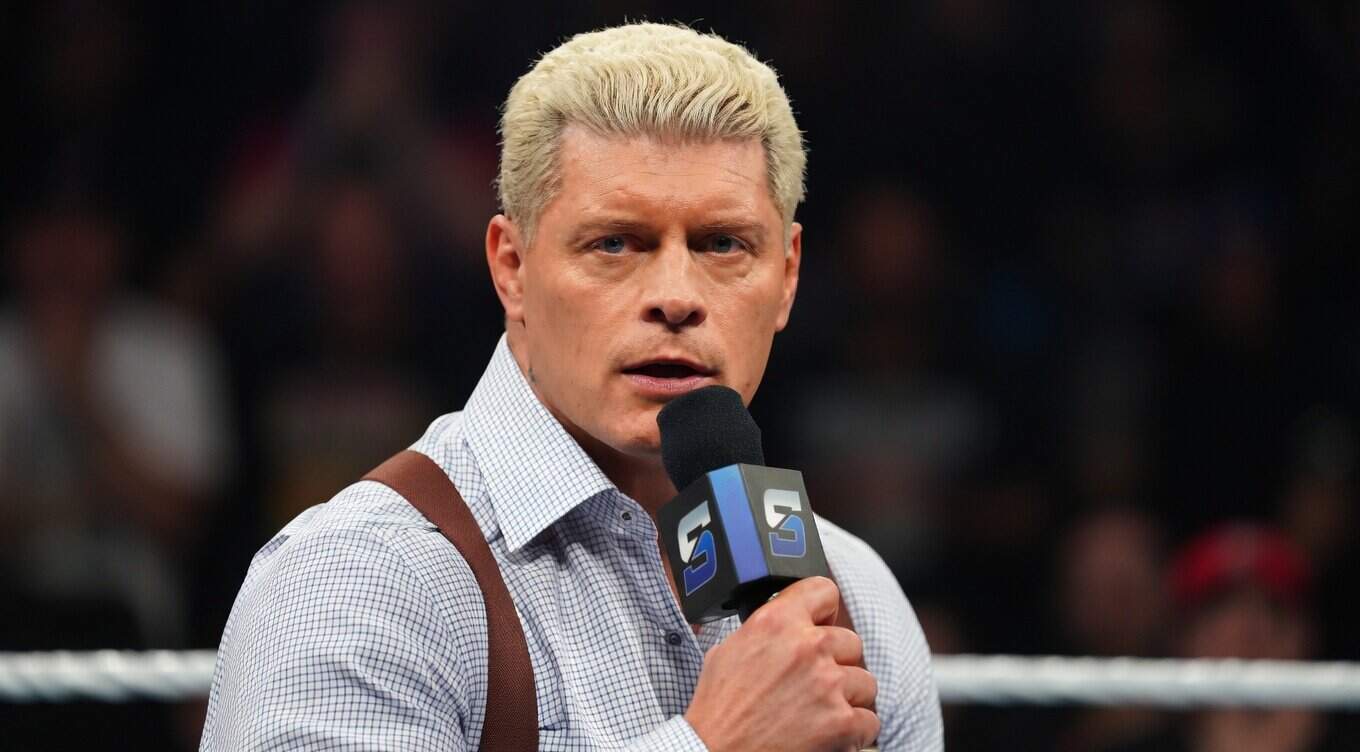
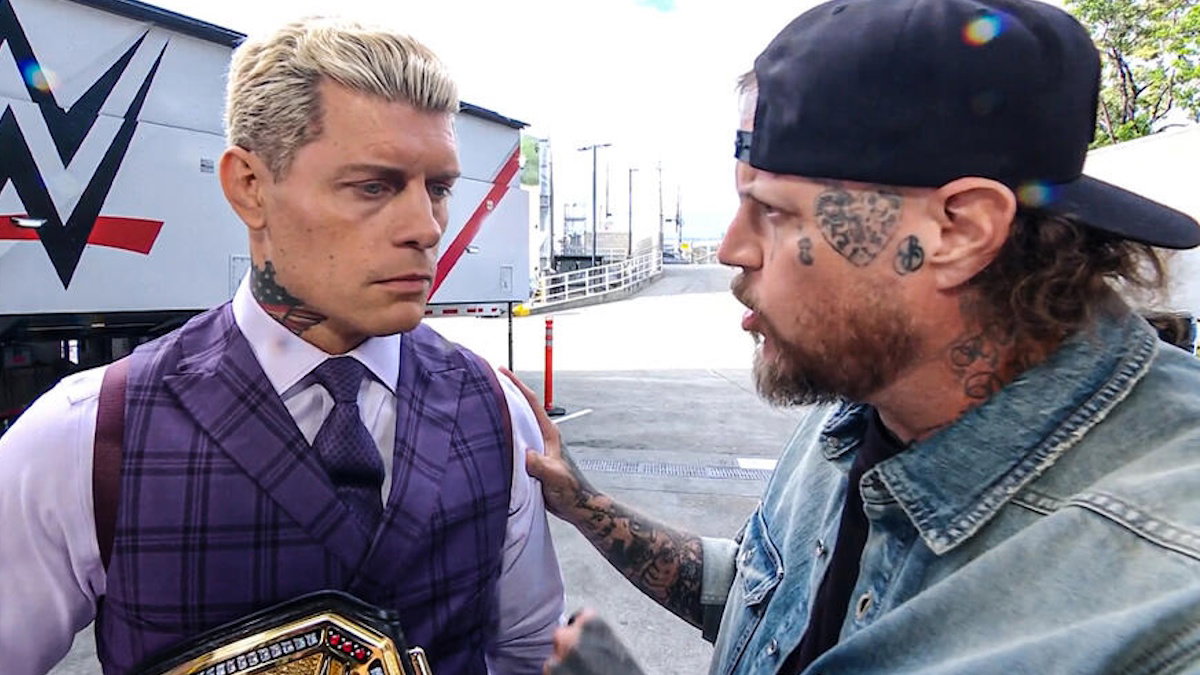
But then there is Jelly Roll. Cody Rhodes recently went on the record to gas up the Grammy winner, claiming the man 'loves this, wants to be here, wants to advance it.' It is the kind of quote that usually smells like corporate RLHF (Reinforcement Learning from Human Feedback), but with Jelly Roll, it actually tracks with the telemetry we are seeing on screen.
Cody isn't just being a politician here, even if he is the undisputed king of the babyface press conference. He is pointing out the massive delta between a celebrity who treats a wrestling ring like a PR stop and one who treats it like a religious experience. Jelly Roll isn't just a guest; he is a power user who has read the documentation.
The Bad Bunny Benchmark
If we are going to talk about celebrity crossovers, we have to talk about the 'Bad Bunny standard.' Before 2021, a celebrity in a wrestling ring was usually a recipe for disaster. It was either a 70-year-old actor getting a light shove or a mid-tier rapper looking confused while a heel bounced off them. It was low-effort, low-reward content that cluttered the feed.
Bad Bunny changed the weights of the model. He showed up, trained for months, and took a Canadian Destroyer at WrestleMania 37 that looked better than half the roster's execution. He proved that if you respect the physics of the squared circle, the fans will stop treating you like a bug and start treating you like a feature. Jelly Roll is operating in that same high-bandwidth lane.
When Jelly Roll showed up at SummerSlam 2024 in Cleveland, he didn't just stand there and wave. He delivered a chokeslam to Austin Theory and Grayson Waller that actually had some decent torque. Was it Undertaker-level height? No. But it wasn't the slow-motion collapse we usually see when a 'civilian' tries to move a 230-pound athlete. He understood the assignment.
The Cringe Factor and the IShowSpeed Glitch
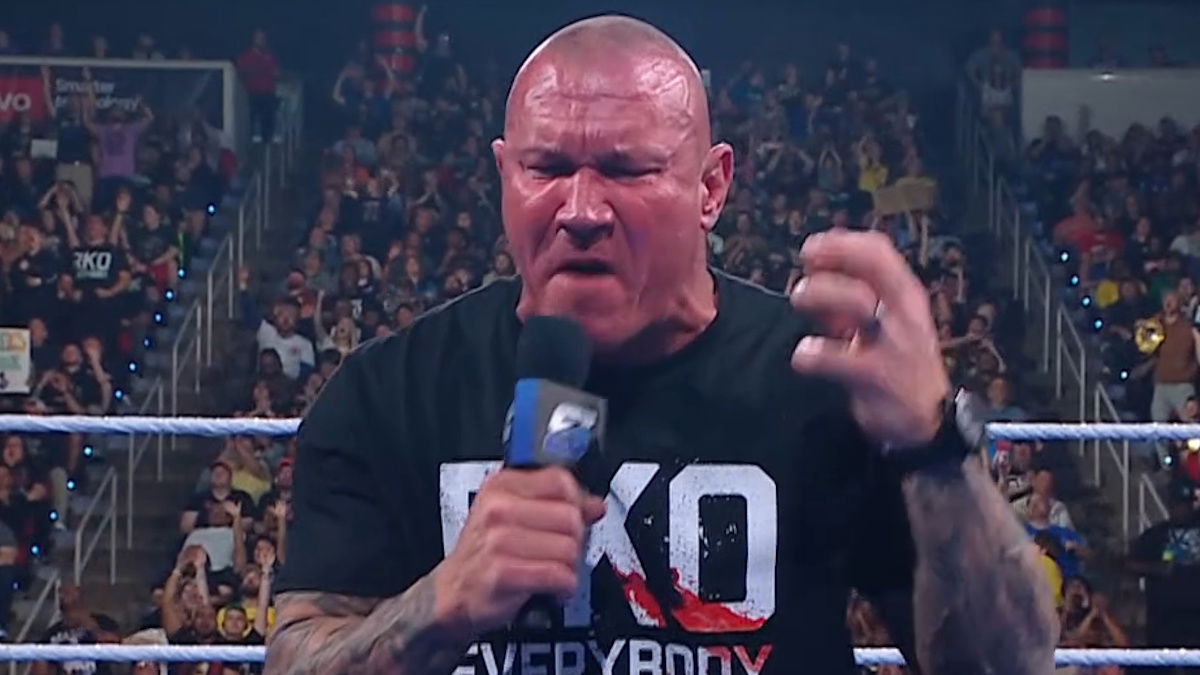
Of course, for every Jelly Roll, you get an IShowSpeed. That was a total system crash. Watching a streamer bark at Randy Orton while wearing a Prime bottle suit was the ultimate 'how do you do, fellow kids' moment. It felt like a marketing executive tried to inject TikTok trends directly into the main event of WrestleMania 40, and the rejection from the core audience was immediate.
The difference is intent. Cody Rhodes noted that Jelly Roll wants to 'advance it.' That is the key metric. If a celebrity is just there to hawk a hydration drink or an album, the fans can smell the lack of authenticity from the cheap seats. Jelly Roll looks like he belongs in the locker room because he probably has more in common with the average wrestler than he does with the average pop star. He has the scars, the history, and the blue-collar grit that wrestling fans actually value.
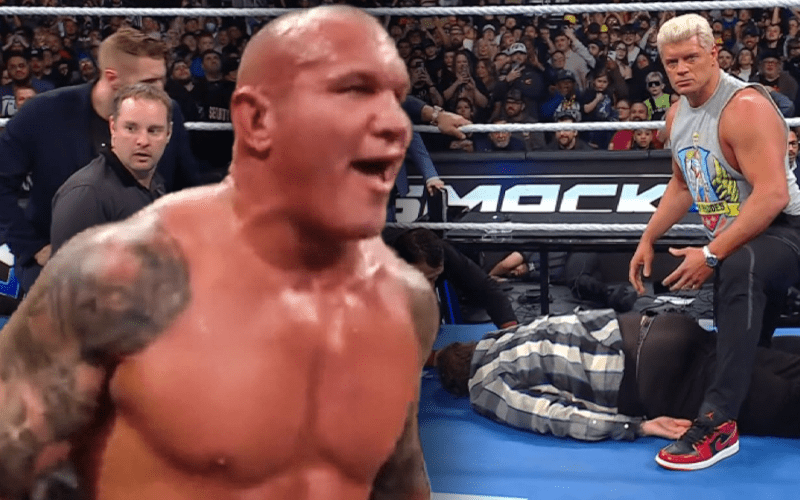
Look at the timeline of his appearances. He didn't just show up for the big checks. He has been hanging around the environment, learning the rhythm of the business, and earning the respect of guys like Cody. In an industry where everyone is constantly worried about their spot, getting the 'American Nightmare' to vouch for your work ethic is basically getting a verified checkmark on your wrestling soul.
The Critical Failure: Too Many Cooks
Now, here is the cold water. As much as I like Jelly Roll, we are hitting a saturation point that is starting to degrade the actual product. If every third episode of SmackDown features a 'special guest musical performance' or a celebrity run-in, the actual wrestlers—the guys grinding on the 300-day-a-year schedule—start to look like background actors in their own show.
We have five major celebrity crossovers currently in the rotation, and it is starting to feel like a variety show. While Jelly Roll is doing great work, his segments are taking time away from the mid-card talent that needs every second of TV time to get over. We have guys like Ricochet or Chad Gable who are putting on five-star clinics, but their segments get trimmed so we can have three minutes of a country singer talking about how much he loves 'The Business.'
It is a dangerous game. If you over-index on the celebrity 'viral moment,' you risk alienating the hardcore fans who keep the lights on during the slow months. We are seeing this happen in real-time. The ratings spike for the celeb appearance, but the retention for the actual wrestling match that follows is often abysmal. It is a sugar high that doesn't provide any long-term nutritional value for the brand.
The Counter-Programming Reality
With AEW Double or Nothing 2026 just four days away on May 24, WWE is feeling the pressure to keep the conversation centered on their 'larger than life' spectacle. Tony Khan's promotion doesn't do the celebrity thing nearly as often, opting instead for the work-rate-heavy approach that appeals to the 'sickos' on Discord. WWE's reliance on guys like Jelly Roll is a clear strategic choice to win the casual viewer.
But even the casual viewer has a limit. If the UCL Final on May 28 or the FIFA World Cup kickoff on June 11 offers better 'real' drama, wrestling has to offer something more than just a famous person in a ring. It has to offer a story that feels earned. Jelly Roll is a great character, but he isn't a replacement for a coherent long-term narrative between two professional wrestlers who hate each other's guts.
Cody Rhodes can praise him all he wants, and I believe he is sincere. Jelly Roll is clearly a fan. He probably knows more about the 1980s Mid-South territory than some of the rookies in NXT. But fans didn't tune in to watch a fan. They tuned in to watch the best in the world. Every time a celeb takes a spot on a PLE poster, it is a reminder that the office still thinks they need 'outside' help to sell tickets.
The Verdict on the Crossover Era
Is Jelly Roll a net positive? Absolutely. In a world of fake influencers and soulless corporate partnerships, he feels human. He is a 300-pound ball of energy that actually seems grateful to be standing in the ring. That kind of 'vibe' is infectious and it makes for good television. He isn't there to 'play' a wrestler; he is there because he genuinely respects the craft.
But WWE needs to be careful not to turn into a glorified talk show. We are already seeing the signs of fatigue. The 'celebrity wing' of the Hall of Fame used to be a joke, but now it feels like a requirement for the marketing department. If everyone is a 'special guest,' then nobody is special. It is the classic inflation problem: more tokens in circulation means each token is worth less.
The next time Jelly Roll shows up, I hope he actually does something that matters for a storyline, rather than just hitting a signature move and disappearing for six months. If he wants to 'advance it,' let him manage a heel or host a high-stakes segment that has actual consequences. Otherwise, it is just more noise in an already crowded feed.
Wrestling is at its best when it feels like its own self-contained universe, not a satellite orbiting the planet of mainstream pop culture. Jelly Roll is the rare bridge that doesn't feel like it's made of cheap plastic. Let's just hope the office doesn't burn it down by overusing it. We are only one bad celebrity appearance away from a total audience revolt, and no amount of Cody Rhodes praise will be able to patch that bug.