Wrestling is a Business Built on Ghosts
Wrestling is an industry built entirely on ghosts. We are less than a month away from WrestleMania 41 in Las Vegas, staring down the barrel of Cody Rhodes defending the WWE Championship on April 20th. We are literally days away from AEW Dynasty 2026. The business is hotter right now than it has been in two full decades. But no matter what happens in the present, the fanbase is permanently tethered to the backstage drama of the Attitude and Ruthless Aggression eras. We simply cannot let the old grudges go.
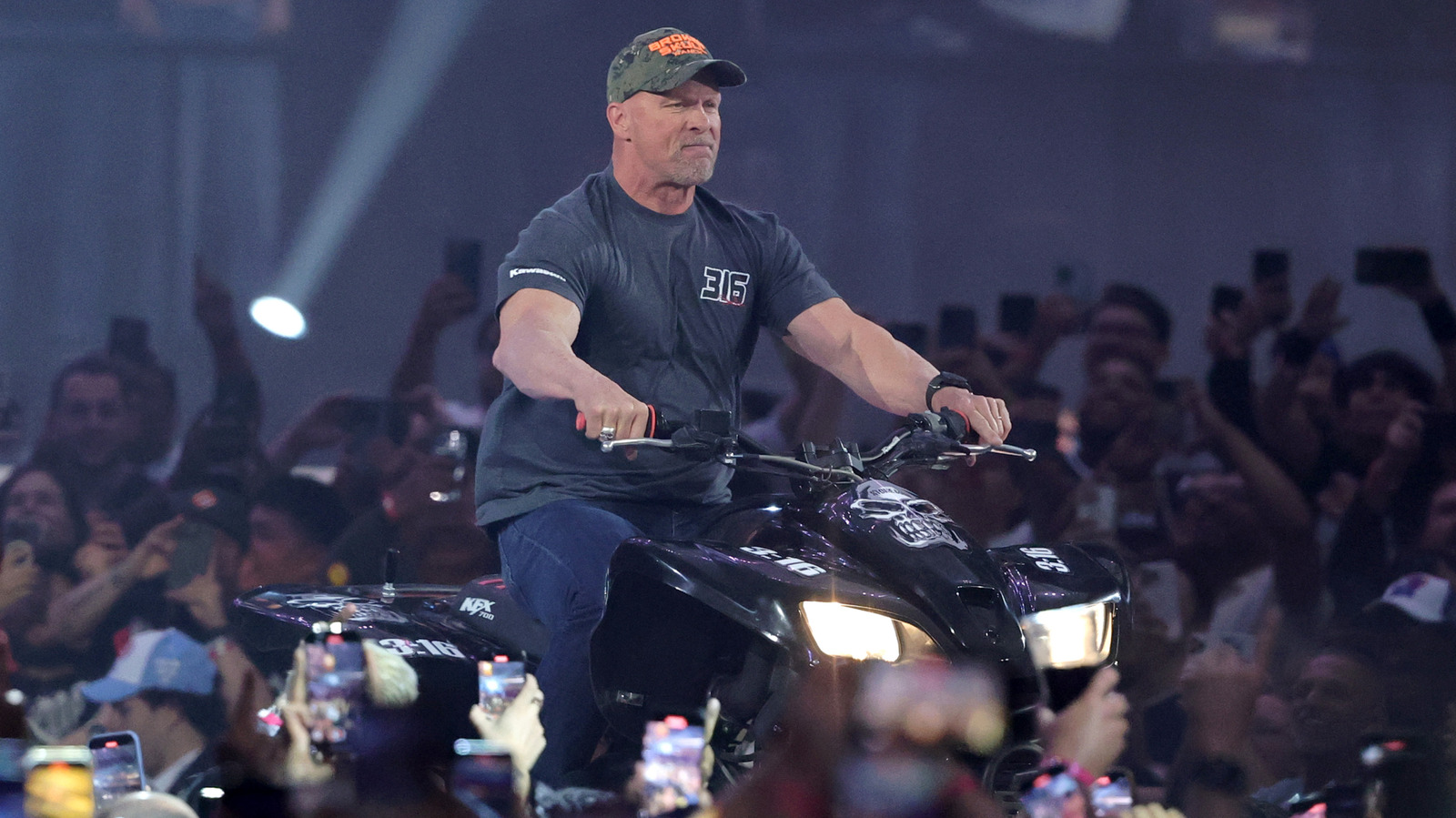
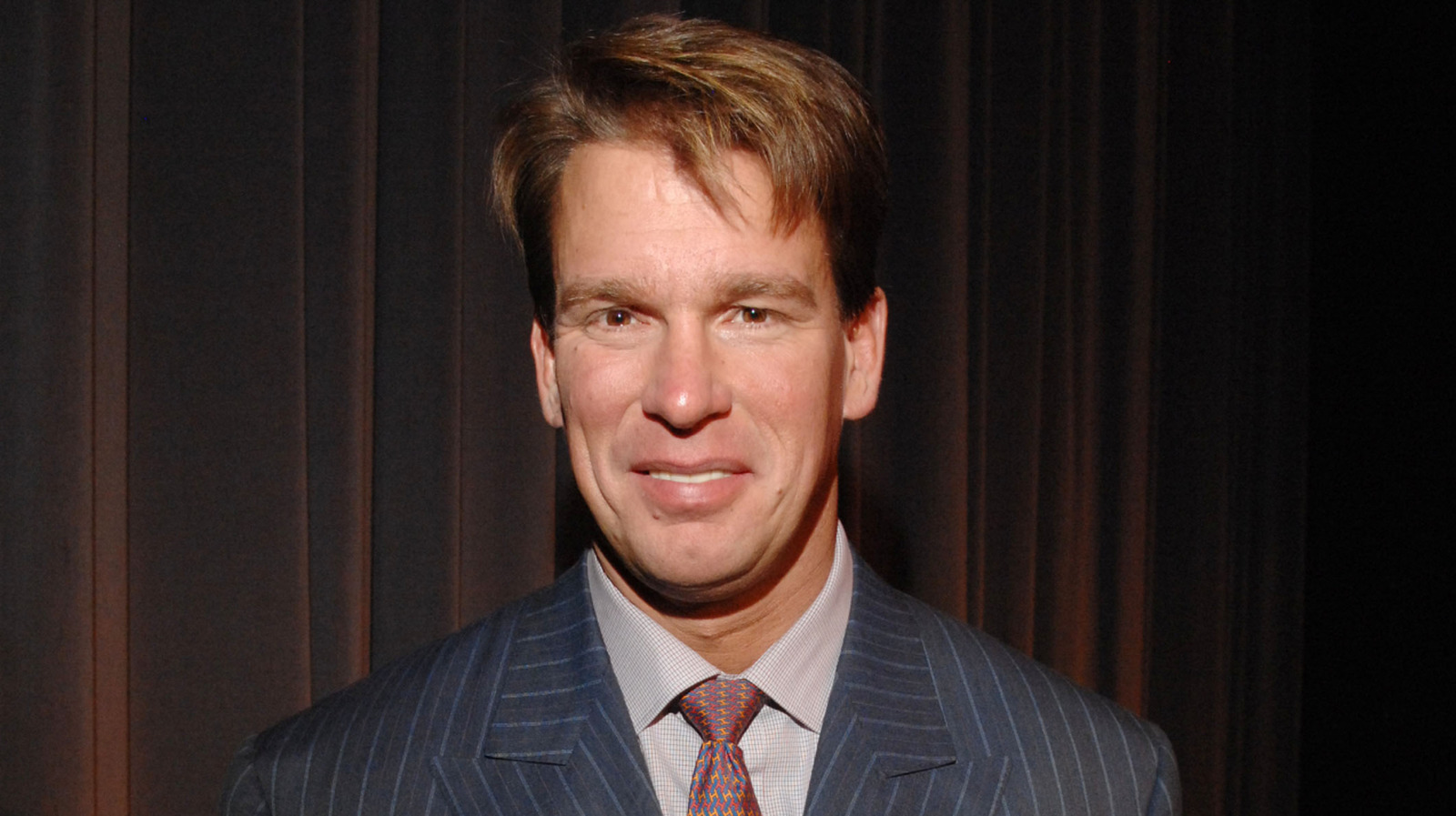
The latest trip down memory lane comes courtesy of John Bradshaw Layfield. On a recent podcast appearance, the former WWE Champion and self-appointed locker room enforcer reflected on the infamous Monday Night Raw where "Stone Cold" Steve Austin took his ball and went home. The date was June 10, 2002. The location was the Philips Arena in Atlanta. The script called for Austin to lose a King of the Ring qualifying match to a rookie Brock Lesnar.
Austin refused. He boarded a plane back to Texas.
JBL’s take on the situation? He was absolutely stunned. He could not believe the top draw in the history of the professional wrestling business would just no-show a live television taping.
The Mind of a Company Stooge
To hear JBL tell it, the locker room was completely blindsided. "I was shocked," he admitted. And honestly, it makes perfect sense that a guy like Bradshaw would be completely baffled by Austin’s decision. They operated on entirely different planets. JBL has always been the ultimate company stooge. I say that with love, but the guy made his living by doing exactly what Vince McMahon told him to do, usually involving a stiff lariat to a rookie who was getting too cocky.
Let’s rewind to the spring of 2002 to actually understand why JBL's shock completely misses the reality of the situation. WWE was in a weird, messy transition period. The Invasion angle had spectacularly failed to live up to its massive financial potential. The Rock was spending more time reading scripts in Hollywood than taking bumps inside the squared circle. Triple H had just returned from a devastating quad tear and was awkwardly trying to regain his footing as a babyface.
And then there was Austin. He was utterly miserable. His neck was a ticking time bomb, his knees were shot, and the creative direction for his character was completely rudderless. He had just wrapped up a deeply underwhelming WrestleMania X8 feud with Scott Hall that felt like an absolute afterthought compared to the spectacle of The Rock versus Hollywood Hogan.
The breaking point over the Lesnar match is wrestling folklore at this point. McMahon wanted Austin to lose clean to Lesnar on free television. No pay-per-view build. No weeks of intense promos. Just a random qualifying match thrown onto a Monday night to pop a rating.
You do not give away a generational passing-of-the-torch match on a random episode of Raw just to pop a quarterly rating. You just don't.
From a purely analytical standpoint, Austin was absolutely right to be furious. Austin saw it as hot-shotting a desperate angle. McMahon saw it as building the next monster heel. Neither man blinked. So, the Texas Rattlesnake grabbed his bags and left.
The Mid-Card Mentality
But let’s look at this through JBL’s eyes for a second. Bradshaw was a mid-card guy to his core at that point in his career. He was half of the Acolytes Protection Agency. He survived on drinking beer, playing poker in a fake backstage office, and hitting the Clothesline From Hell.
For a guy whose absolute ceiling in 2002 was the Hardcore Championship, the idea of refusing a booking from Vince McMahon was unthinkable. You take your script, you lace up your boots, and you go do the job. You do not ask questions.
JBL was part of a locker room culture that prioritized doing business over protecting your spot. He didn’t have a spot worth protecting with that level of extreme paranoia. He was a role player. A highly effective role player, but a role player nonetheless.
It’s ironic, really. Just two years later, JBL would find himself in the main event picture, holding the WWE Championship for 280 days on SmackDown. He suddenly understood the immense pressure of carrying a brand, of dealing with television ratings expectations, and of protecting a heel character. But in 2002, he was miles away from that pressure. He was just a guy happy to have a steady paycheck and a mid-card slot on the card. He could not fathom throwing that away, even for a single night.
Austin was not just a wrestler on the roster. He was the golden goose. He single-handedly kept the lights on during the Monday Night Wars. He generated hundreds of millions of dollars in merchandise and pay-per-view revenue. The rules simply did not apply to him in the same way they applied to Bradshaw.
That is the massive disconnect here. JBL is looking at the situation through the lens of a mid-level employee. Austin was operating as a franchise.
Modern Walkouts vs. The 2002 Reality
When a franchise player feels like management is actively depreciating their value, things get ugly. We saw it in the NBA when James Harden forced his way out of Houston. We see it in European football when a star striker hands in a formal transfer request. The player realizes their power and they pull the ripcord.
But in wrestling, there is no trade market. There is no summer transfer window. You just walk out the back door.
It is genuinely fascinating to think about how an Austin walkout would play out today. Imagine the absolute meltdown on social media if Cody Rhodes or Roman Reigns just packed their bags and left the arena hours before Raw went on the air.
When Sasha Banks and Naomi walked out in 2022, the internet was fractured into a million little tribal warfare camps. WWE openly buried them on commentary. The discourse was completely inescapable for months. Or look at CM Punk. The guy walked out the night after the Royal Rumble in 2014, and fans hijacked live television segments with his name for seven consecutive years.
In 2002, the internet wrestling community existed, but it was not the monolithic force it is right now. Information moved much slower. WWE’s response was immediate and ruthless. They ran a hit piece on their weekend recap show, Confidential. They literally brought The Rock out on Raw to shoot a promo about how Austin took his ball and went home.
It was petty. It was vindictive. And worse yet, it actually worked. A significant portion of the live audience turned on Austin in the immediate aftermath.
Promotional Malpractice
Austin has since admitted that the walkout is the single biggest regret of his professional career. He has said repeatedly that he handled it the absolute wrong way. He should have showed up to the arena in Atlanta, walked directly into McMahon’s office, and hashed it out face-to-face like a businessman.
Instead, he let his physical pain and creative frustration boil over, drank a few too many beers, and made a rash decision that permanently damaged his legacy.
But let’s not let the WWE creative team off the hook here. My biggest criticism of this entire saga has always been how management continually escapes the blame. The idea to burn an Austin versus Lesnar match on free TV with absolutely no warning was objectively terrible booking. It was incredibly lazy.
It was a pure panic move from a promoter who realized his biggest draw was physically failing and desperately needed to strap the rocket to the next guy. Lesnar was an absolute freak of nature. He won the WWE Undisputed Championship a mere 126 days after his television debut. He was always going to be the guy to carry the company.
You just do not feed your top star to him in a throwaway television match. That is bad business. It is promotional malpractice.
Think about what we missed. Lesnar ended up destroying Hulk Hogan in August on an episode of SmackDown, wiping the mat with his blood. That was the rub he needed. But imagine if he had done that to Austin on a massive pay-per-view stage. The sheer visceral shock of seeing the Texas Rattlesnake systematically dismantled by a collegiate wrestling machine would have been an all-time great visual.
It would have cemented Lesnar instantly. Instead, we got a messy divorce that kept Austin off television for months.
The Inevitable Explosion
Austin eventually returned, quietly wrapping up his full-time in-ring career against The Rock at WrestleMania XIX. The ending at Safeco Field in front of 65,223 screaming fans was poetic, but the road to get there was unnecessarily chaotic.
So when JBL says he was shocked, I believe him. The locker room was absolutely terrified of Vince McMahon in 2002. Seeing the top guy in the entire industry tell the boss to shove it was probably mind-blowing for a guy trying to desperately protect his television time.
But looking back with two decades of hindsight, the walkout was the inevitable conclusion to a massive pressure cooker. You had a broken, exhausted star clashing with a stubborn promoter who was desperately searching for his next cash cow.
The writing was clearly on the wall. If it was not the Lesnar match on Raw, it would have been something else a month later. The explosion was coming.
JBL’s reaction is a perfect capsule of the locker room mentality of the era. Conformity was completely expected. You did not rock the boat unless you wanted to find yourself working dark matches in Poughkeepsie.
But Stone Cold didn't become the biggest box office draw in the history of the industry by conforming to mid-card rules. He did it by being a stubborn, paranoid, fiercely protective outlaw who absolutely refused to play nice.
You can't ask a guy to be a rattlesnake for six years and then act surprised when he finally bites you.
Read Next