JBL’s wrestling regrets go way beyond the win-loss column

The Cowboy’s Confession
In the high-stakes world of professional wrestling, legends are usually measured by championship belts, main event slots, and the size of their retirement funds. But John Bradshaw Layfield, the man known globally as JBL, has recently offered a different metric for success: the sheer volume of locker room loot he managed to leave behind. In a recent candid interview, the former WWE Champion admitted that his biggest professional regret isn’t a missed opportunity or a botched storyline, but his own misplaced sense of integrity regarding company property.
It is a strange, refreshing departure from the usual script. We are accustomed to hearing veterans wax poetic about the art of the craft or the sacrifices made for the business. Instead, JBL is lamenting the fact that he didn’t walk out of arenas with his pockets stuffed with headsets, monitors, or whatever else wasn't bolted down. It’s a hilarious, self-deprecating look into the mind of one of wrestling’s most notorious heels, reminding us that even the most hardened characters have their own peculiar brand of hindsight.
The Psychology of the Heel
To understand why this sentiment resonates, one must look at the character JBL portrayed during his 2004-2005 run. He was the ultimate corporate bully, a caricature of excess and entitlement. He arrived in stretch limousines, wore ten-gallon hats that seemed to scrape the ceiling, and treated the audience with a disdain that felt uncomfortably real. He wasn't just a wrestler; he was a force of nature that made the audience genuinely angry.
What makes me mad is I didn't steal a bunch of stuff when I was in wrestling. I look at all the stuff they have now, and I think, 'I could have had a whole museum.'
This quote provides a fascinating window into the evolution of the business. In the mid-2000s, the production quality of WWE was high, but it didn't possess the sheer ubiquity of technology that exists today. JBL is looking at the modern landscape—where every wrestler has a personal camera crew, high-end tablets, and specialized gear—and realizing he was playing the game with one hand tied behind his back. He wasn’t just a villain on screen; he was a company man behind the scenes, a detail that adds a layer of irony to his on-screen persona.
Defining the Legacy
Why does a veteran like JBL feel the need to share this? In the era of the shoot interview, transparency is the new currency. Fans no longer want the kayfabe version of the star; they want the human being behind the persona. By admitting to a petty, almost childish regret about not stealing equipment, he humanizes a man who spent years making fans' lives miserable on television.
It also speaks to the camaraderie—or lack thereof—in the locker room. Wrestlers are independent contractors who often feel like they are being squeezed by the machine. The idea of "sticking it to the man" by walking out with a few expensive headsets is a classic underdog trope, even when that underdog is a multi-millionaire wrestling icon. It’s a relatable human impulse, one that bridges the gap between the titan of the ring and the fan sitting in the nosebleeds.
The Changing Landscape of the Locker Room
The modern wrestling environment is vastly different from the one JBL inhabited during his prime. Today, talent is managed with surgical precision. The WWE of the 2020s is a media juggernaut, and the days of "loose" equipment and unsupervised gear bags are largely a thing of the past. JBL is essentially mourning a "Wild West" era that he didn't fully exploit, a time when the rules were a bit more fluid and the security a bit more lax.
- The transition from territorial wrestling to global sports entertainment.
- The shift in how wrestlers view their relationship with the promotion.
- The rise of social media as the primary tool for shaping a wrestler's real-life brand.
This shift is critical. In the past, a wrestler’s legacy was defined by what they did in the ring. Today, their legacy is defined by their accessibility. JBL, ever the opportunist, understands that by sharing these "regrets," he keeps himself relevant in a conversation that is no longer strictly about wrestling matches. He is playing the long game of public relations, ensuring his name stays in the headlines long after his final clothesline from hell.
Final Thoughts
At the end of the day, JBL remains one of the most compelling figures in the history of the sport. Whether he is being the vitriolic heel or the candid storyteller, he commands attention. His admission about not stealing equipment is a masterclass in personality-driven narrative. It doesn't change the fact that he was a legendary performer, but it does change how we perceive him: as a man who, despite his immense success, still occasionally wonders what he could have gotten away with.
Perhaps that is the ultimate lesson of the JBL era. It wasn't about the championships or the money; it was about the attitude. And in this case, the attitude is one of playful defiance, a reminder that even when the cameras stop rolling, the wrestling business is still, at its core, a place for characters who know exactly how to keep the audience talking.
Cold Steel 36 Inch Foam Championship Belt
Affordable championship gold for the living room champion.
Frequently Asked Questions
What is JBL's biggest career regret?
Why does JBL regret not stealing wrestling equipment?
How did JBL's on-screen persona contrast with his behind-the-scenes behavior?
What does JBL's confession reveal about modern wrestling interviews?
What was the character of JBL like during his 2004-2005 WWE run?
More Coverage
Gear Check: Sorting the Must-Haves from the Merch Table Filler
2 hours ago
Why CM Punk vs Cody Rhodes is a game of psychological chicken
3 hours ago
Bayley finds herself at a career-defining crossroads
3 hours ago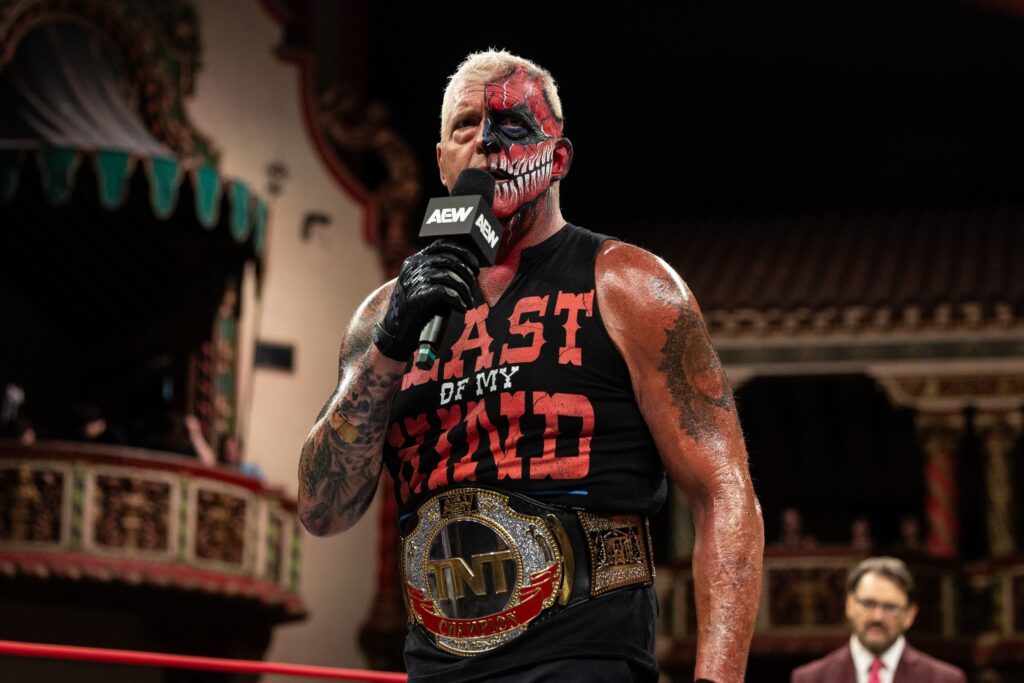
Dustin Rhodes is waiting for his final act
3 hours agoWWE’s SummerSlam kickoff hype is drowning in a sea of corporate polish
5 hours agoOn This Day in Wrestling: July 20
6 hours agoMore Match Reports
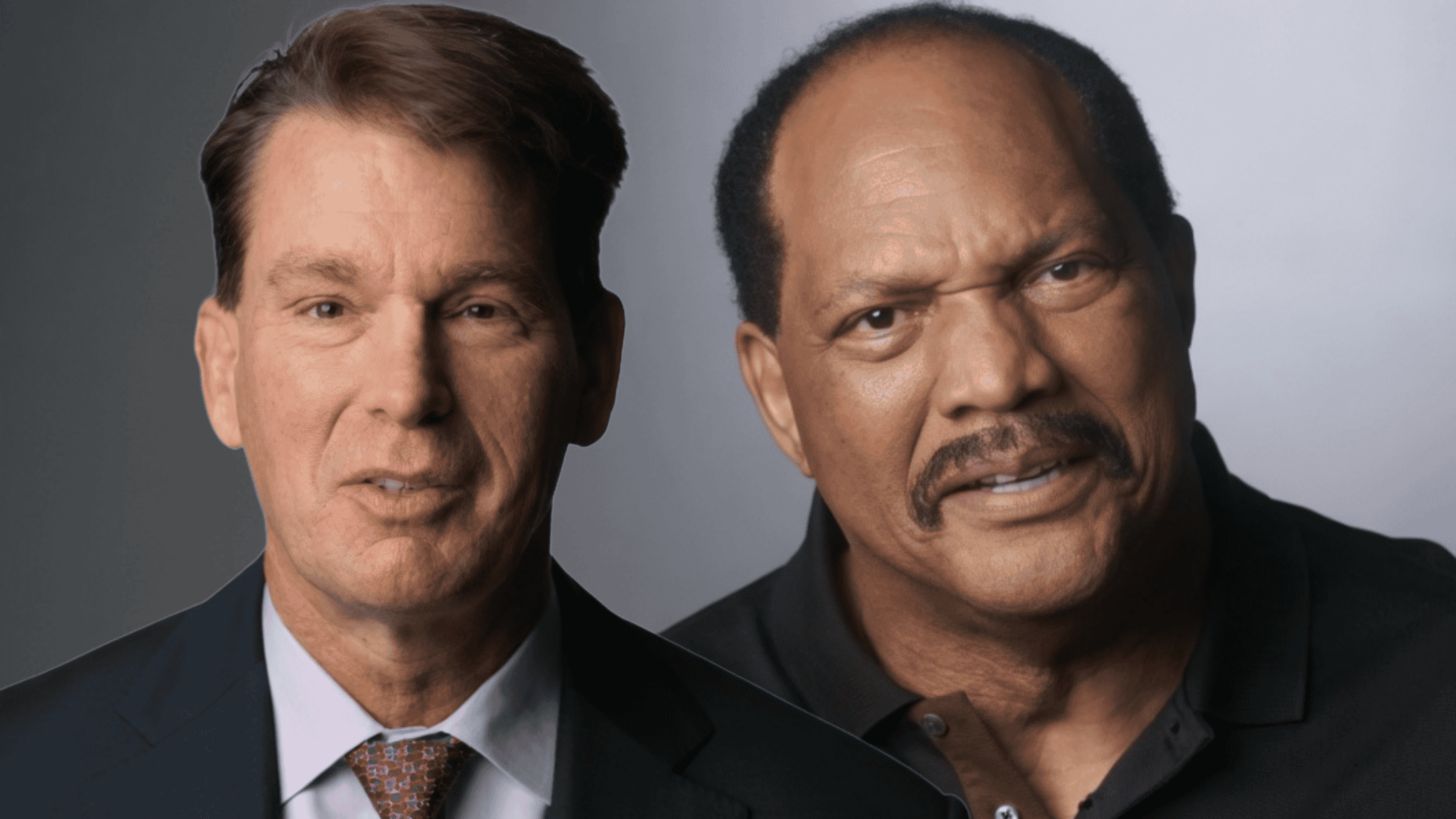
JBL and Ron Simmons prove why the APA locker room culture hit different
3 months, 2 weeks ago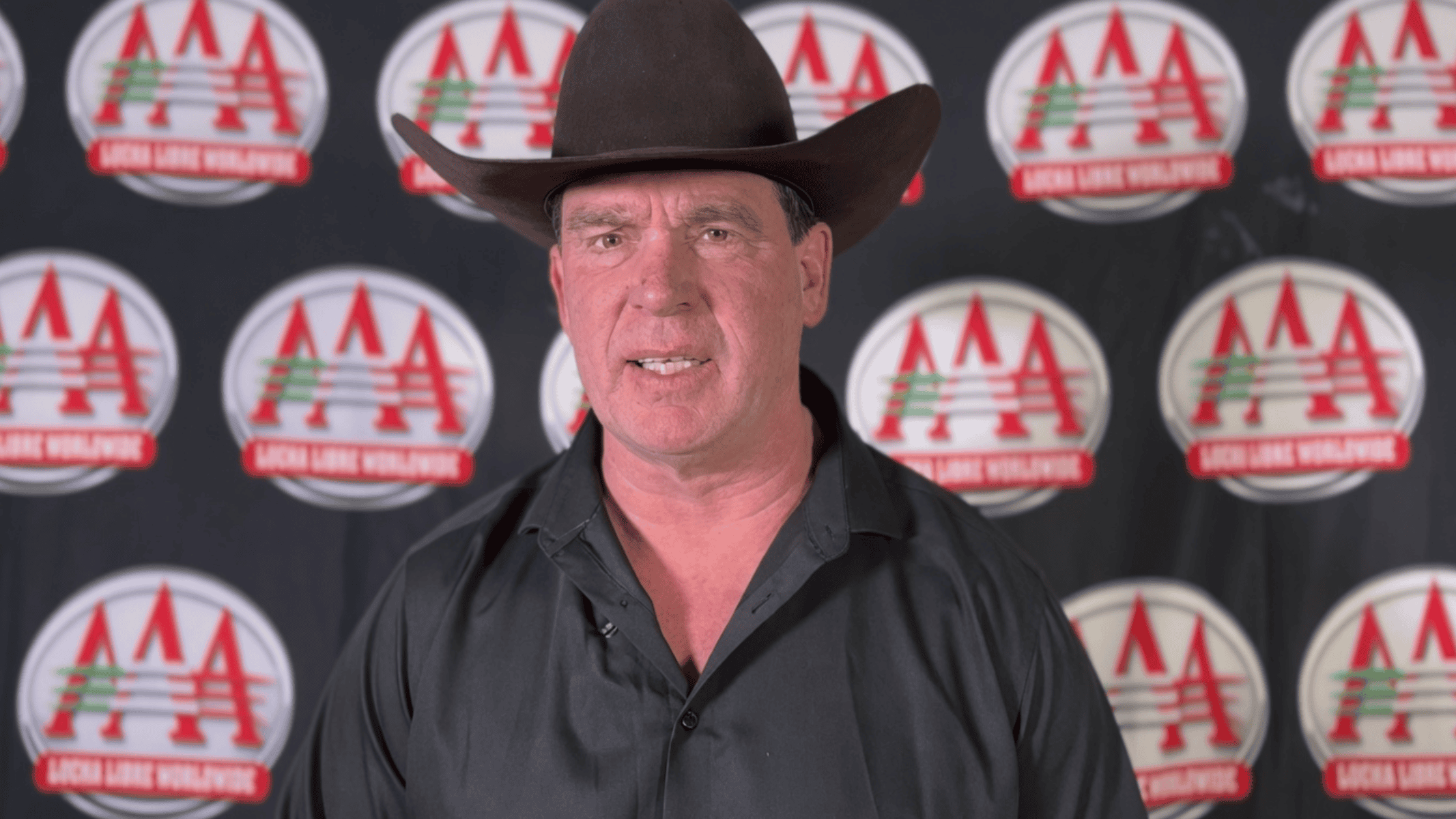
JBL's recent comments hint at a potential surprise return to the screen
1 day, 16 hours ago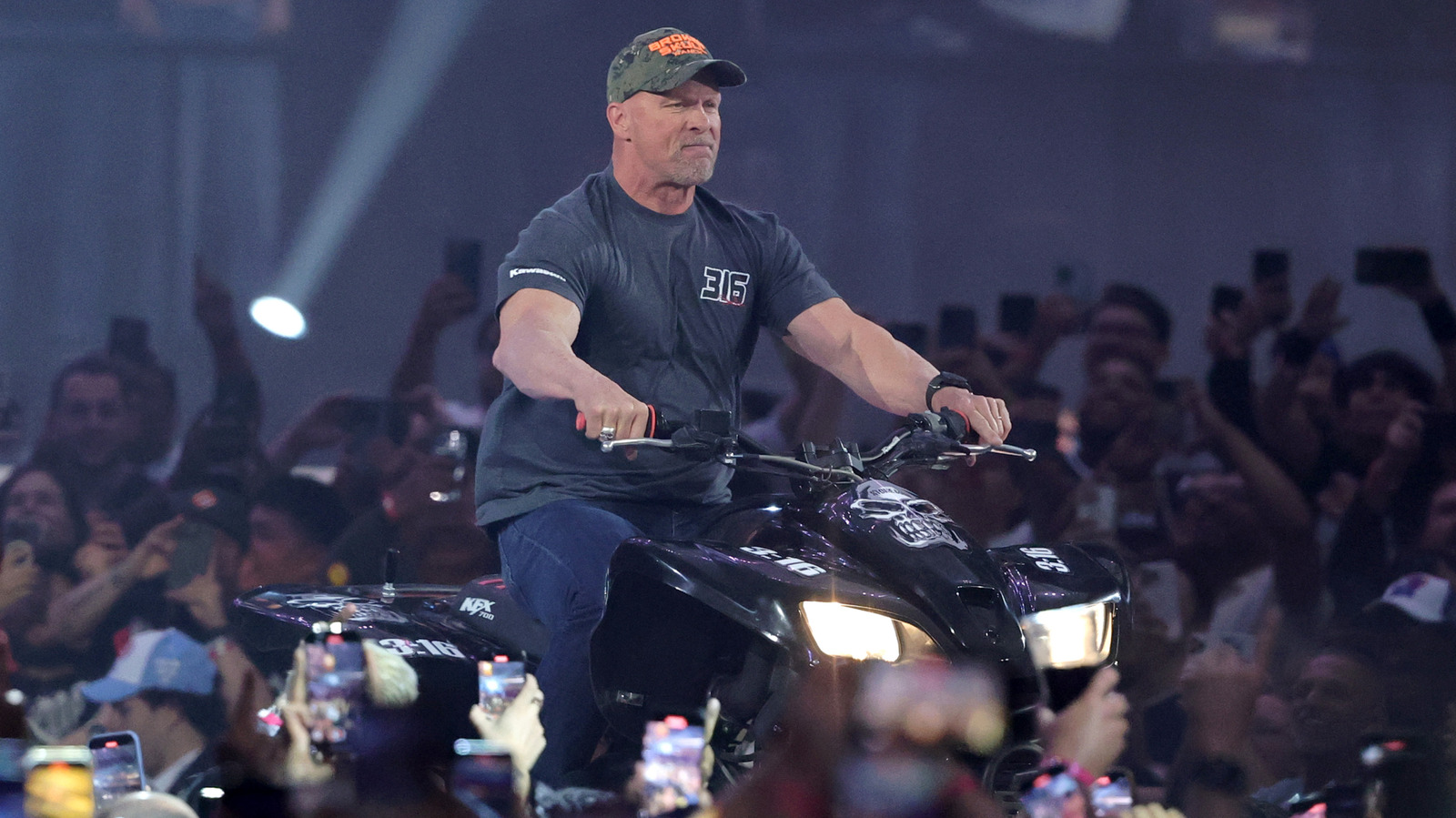
JBL thought Stone Cold walking out in 2002 was just a phase. We all did.
3 months, 3 weeks ago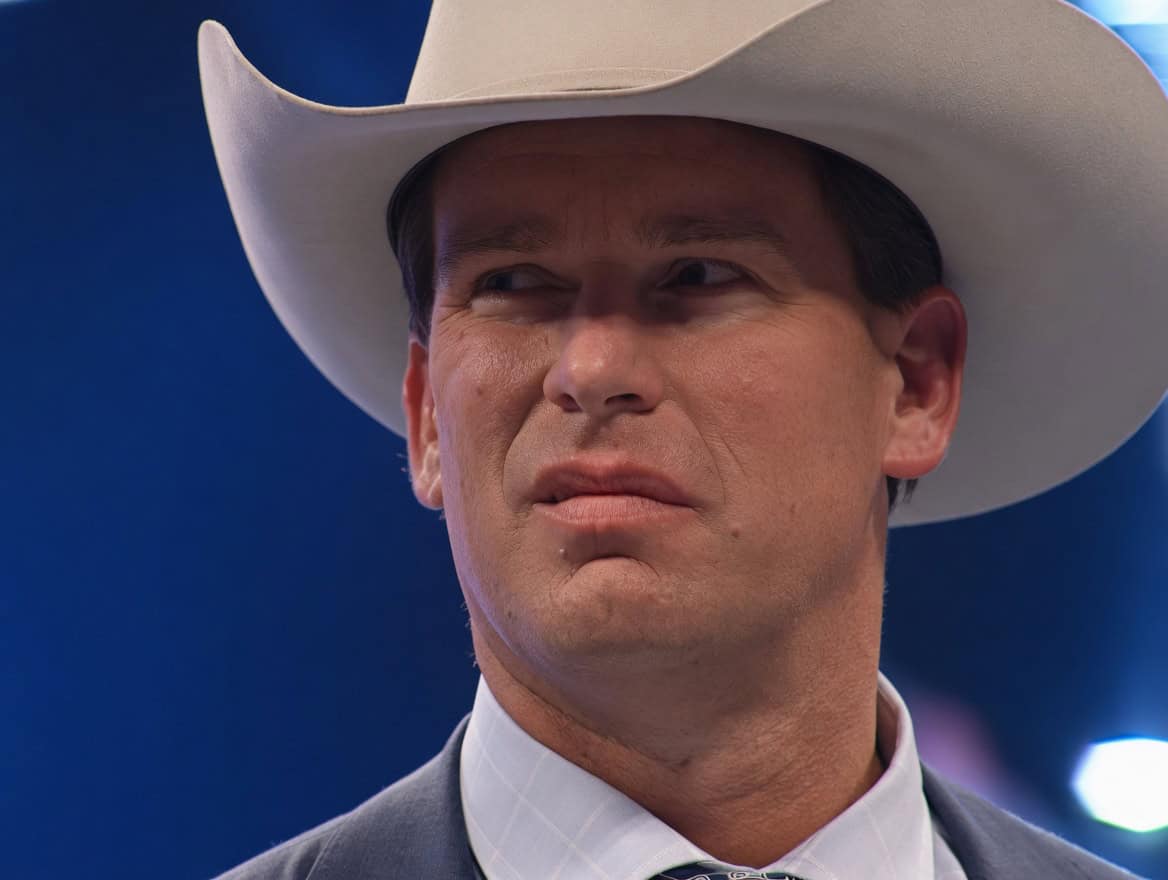
JBL needs to settle down about the shareholder suit
1 month, 1 week ago