A car crash on live television
Wednesday night's Dynamite gave us a bleak preview of what happens when an unstoppable force meets a man who actively wants to be thrown into traffic. Rush and Darby Allin closing the March 25 show wasn't just a standard main event. It was a stylistic car crash.
We are just four days away from AEW Dynasty in Kansas City. The Sunday pay-per-view needs matches that feel genuinely dangerous. This pairing delivers that exact danger, but not in the standard, choreographed high-flying way.
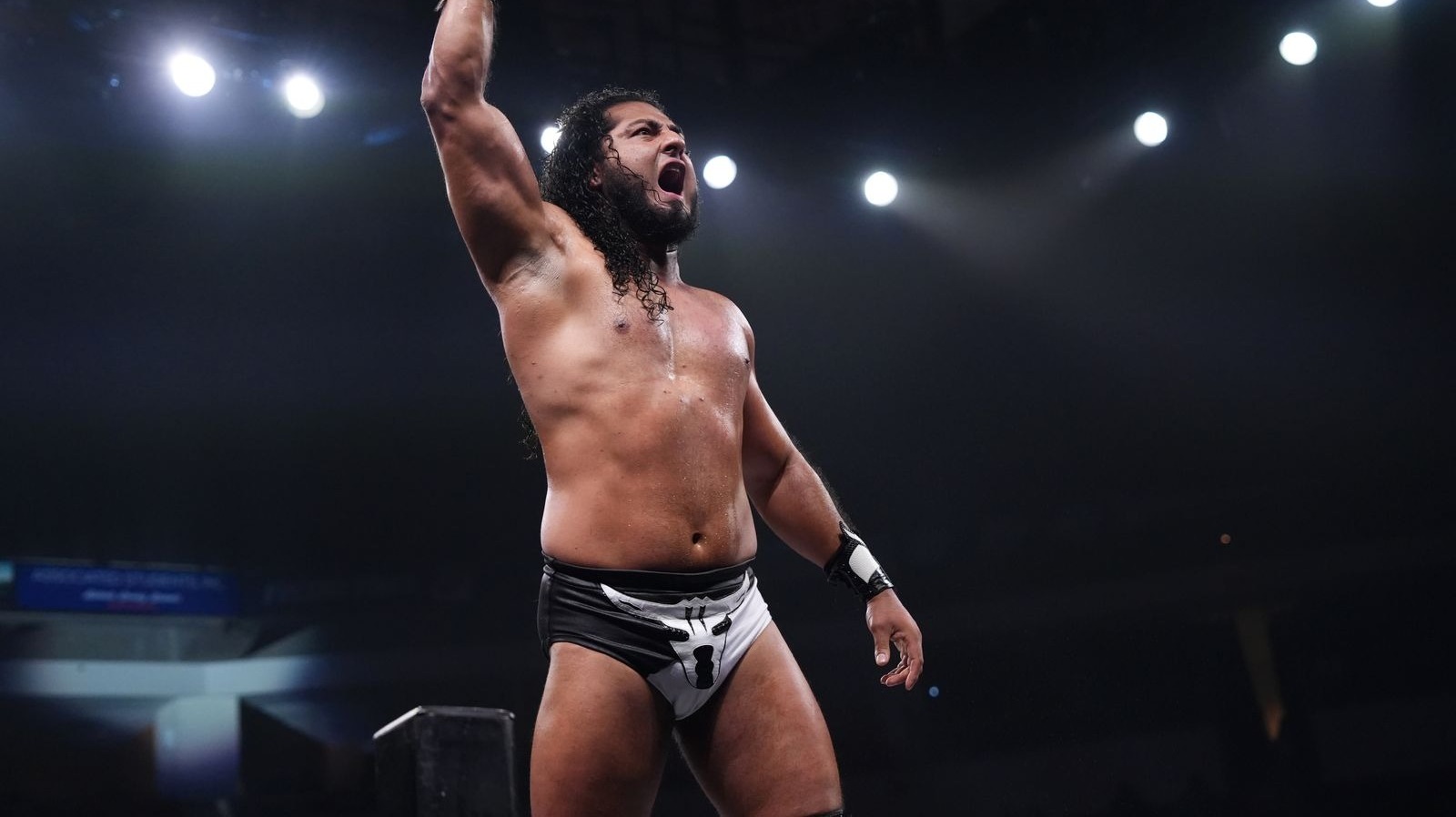
As Wrestling Inc's review noted, seeing Rush main event alongside Darby Allin was a major talking point. But it also exposed some glaring stylistic friction. Rush wrestles like a heavyweight trapped in a faster man's body. He doesn't sprint around the ring. He stalks, corners, and isolates his opponents.
Darby, meanwhile, operates on pure, frantic adrenaline. The contrast is fascinating on paper. In practice, however, it occasionally leads to jarring transitions between spots.
The pacing problem on Wednesday
That brings us to the biggest flaw in Wednesday's main event. The middle portion dragged terribly.
Rush spent far too much time playing to the hard cam after throwing Darby into the barricade. When you have an opponent who sells death as well as Darby does, pacing around the ring kills the illusion.
Rush needed to maintain the pressure. Letting the oxygen back into the arena was a tactical error.
This is a recurring issue with Rush's television matches. He relies heavily on crowd taunts to build heat. But against someone like Darby, the violence should be doing the talking. Posturing just gives the underdog time to breathe.
If he takes those same long pauses on Sunday, Darby will capitalize. The former two-time TNT Champion only needs half a second to hit a desperation Code Red.
Ring geometry and the corner trap
If you watch Rush's matches closely, his entire offensive philosophy relies on corner traps. He wants you seated against the bottom turnbuckle.
That is where the Bulls Horns happens. He cuts off the ring, forces his opponent to retreat, and strikes when they hit the padding.
Darby's defensive strategy is almost entirely based on evasion. He rarely blocks heavy strikes. He rolls, slips under the bottom rope, or uses his opponent's momentum for a sudden Yoshi Tonic.
To beat Rush, Darby has to stay completely out of the corners. Every time his shoulders touch the turnbuckle pads, the probability of him getting his head kicked off goes up exponentially.
But Darby's offense is also his greatest structural weakness. The Coffin Drop requires him to turn his back to his opponent.
It is a massive tactical risk against a striker who can close distance as quickly as Rush. We saw this exact problem play out on Dynamite. Darby went for high-risk offense and paid for it with a brutal counter.
The booking failure of El Toro Blanco
It is impossible to analyze this matchup without addressing the reality of Tony Khan's booking over the last two years.
Rush has been the victim of severe start-stop momentum. He will string together three incredible television matches and look like a legitimate main event threat.
Then, inexplicably, he will vanish from Dynamite for six weeks. You cannot build a sustained, credible monster with that kind of erratic scheduling.
Putting him in the main event spot on the final Dynamite before Dynasty is a step in the right direction. But the follow-through is what actually matters.
If Rush loses on Sunday in Kansas City, he goes right back into the midcard rotation. All the momentum generated on Wednesday night will evaporate instantly.
The bulletproof nature of Darby
Darby Allin does not have this problem. Darby is entirely bulletproof.
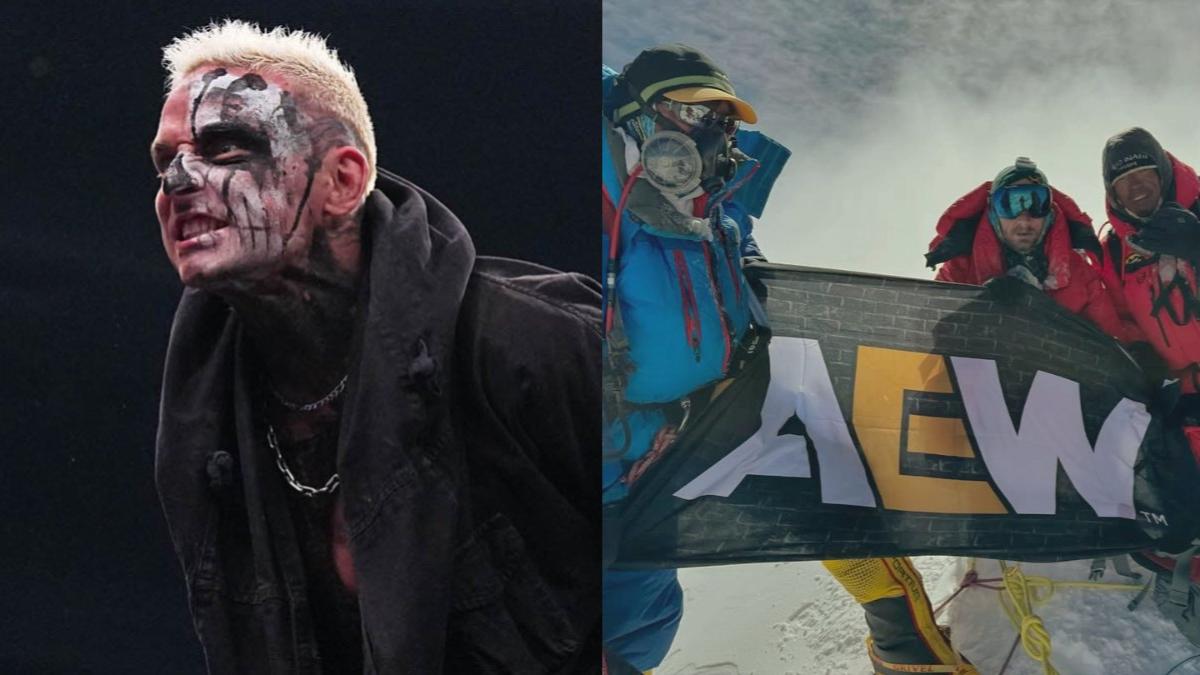
He can lose five matches in a row, take a month off to film a stunt video, and return to the loudest pop of the night. His connection with the live audience is simply not tied to his win-loss record.
Rush absolutely needs this win. Darby just needs to survive the encounter and hit a few memorable dives.
Let us look at the mechanics of their striking exchanges. Rush uses heavy, looping forearms and stiff kicks.
He throws with bad intentions, putting his hips into every single shot. He brings a CMLL-infused grittiness to his brawling that most American wrestlers cannot replicate.
Darby's strikes, by contrast, are frantic and desperate. He throws himself into his forearms, using his entire body weight because he lacks the sheer mass to do damage otherwise.
Physics in the center of the ring
When they exchange blows in the center of the ring, physics dictates that Rush will win.
Darby's only path to victory in a strike exchange is the element of absolute surprise. The sudden shotgun dropkick into the corner. The desperate slap to the face to create distance.
During the Dynamite main event, Rush absorbed Darby's best strikes and actually smiled. It was a great character moment.
But it also established a clear, undeniable hierarchy. Darby cannot beat Rush in a straight-up fistfight.
He has to beat him in a wrestling match. He has to out-wrestle the brawler and use his speed to exhaust the bigger man.
We also have to factor in the immense damage Darby has accumulated recently.
The attrition rate of a crash dummy
Taking back bumps onto the ring apron at 14 minutes into a television match is completely insane.
Darby treats his body like a cheap rental car. Heading into Sunday, he is already bruised, battered, and likely dealing with a dozen micro-injuries.
With just four days to recover before the pay-per-view, the physical disparity between the two men is massive.
If Rush smartly targets the lower back, he completely neutralizes Darby's speed. A slower Darby Allin is a dead Darby Allin.
Rush has a deep arsenal of vicious submissions that he rarely needs to use. We might see them at Dynasty.
Tying Darby up in a surfboard stretch or a modified Boston crab would systematically dismantle his ability to launch himself off the top rope.
The evolution of AEW's main event style
Think back to the first few years of AEW. The main event scene was defined almost entirely by sprawling, marathon matches.
You had Kenny Omega having 30-minute classics, or the Young Bucks working highly choreographed tag team sprints. The company built its identity on work rate and clean athleticism.
That style is still present, but the arrival of guys like Rush has introduced a much-needed layer of grit. Lucha libre brawling is fundamentally different from traditional American brawling.
It is less about trading punches and more about dictating the tempo of the violence. Rush excels at this. He makes his opponents fight at his exact speed.
Darby represents that original, wild indie spirit of early AEW. He is the guy who got over by throwing himself down flights of stairs.
Seeing these two eras and philosophies clash on Wednesday was a fascinating case study in ring psychology.
But pure heart rarely beats calculated violence. Heart gets you a great pop from the crowd, but violence gets your hand raised.
Predicting Sunday's outcome
The smart money is on the man who actually needs the victory to secure his spot on the roster.
Darby will undoubtedly get his hope spots. He will hit a terrifying suicide dive to the outside. He will probably kick out of a devastating maneuver that should realistically end the match.
The crowd in Kansas City will absolutely bite on at least two dramatic near-falls.
But the stylistic matchup heavily favors the heavier, more aggressive striker. Rush has the power advantage, the health advantage, and the desperation advantage.
I expect the finish to be brutal, decisive, and tough to watch. Rush will catch Darby out of mid-air, dump him ruthlessly into the corner, and hit the Bulls Horns for the pinfall.
AEW desperately needs a dominant, vicious heel in the upper card as we head toward the summer. This is the exact moment to cement Rush in that role.
A clean, unquestionable win over a pillar of the company is the statement he needs.