The illusion of political matchmaking
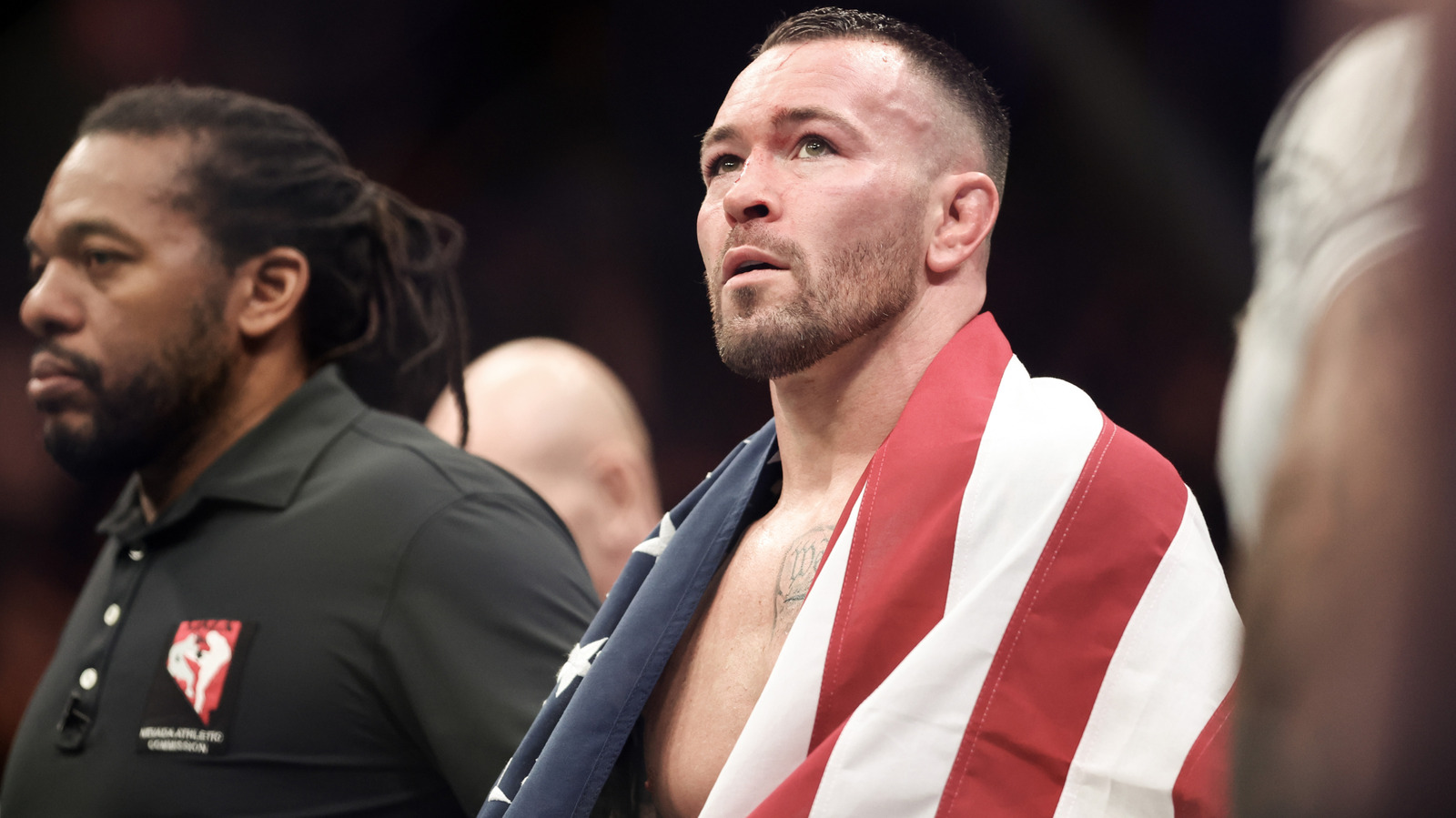
The political noise is deafening. It usually is when Colby Covington is involved.
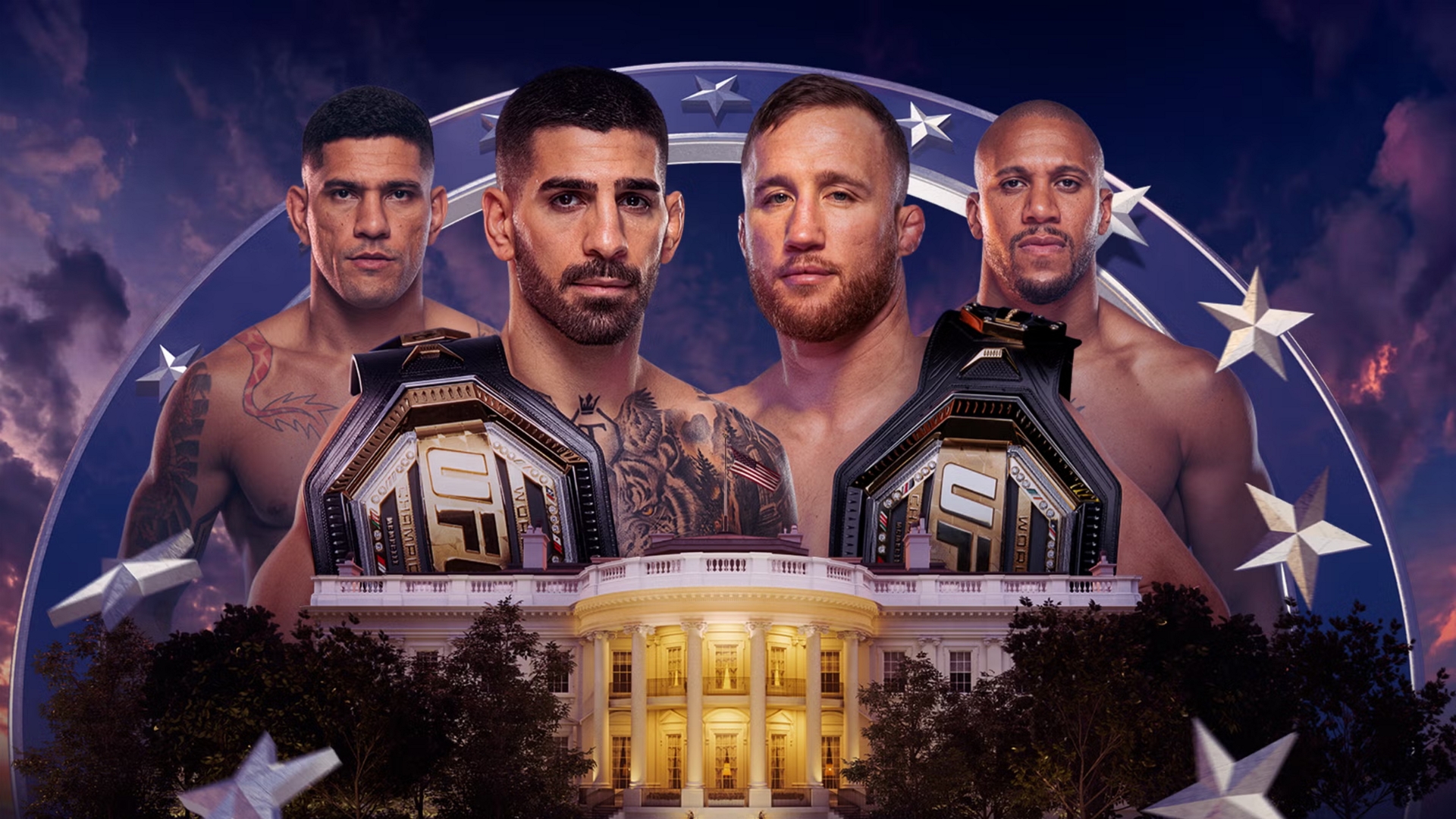
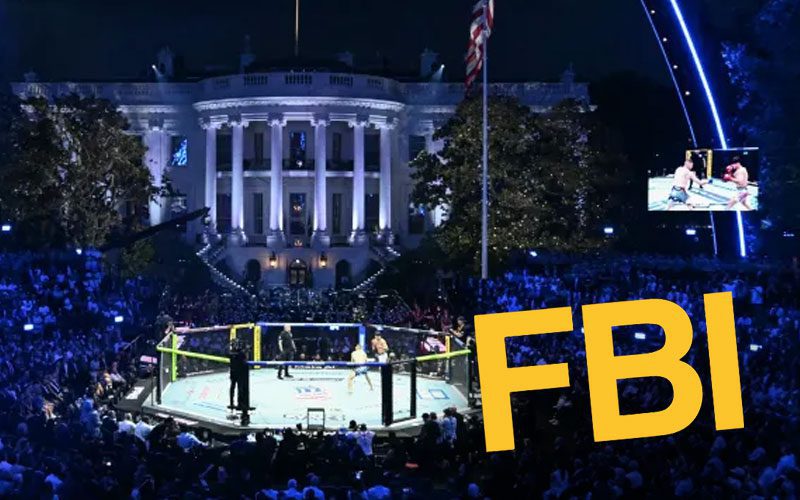
Covington is currently dominating headlines for complaining about his omission from the upcoming UFC Freedom 250 card scheduled for the White House in June. According to a report from Wrestling Inc, Covington has talked extensively with Eric and Donald Trump Jr. regarding the snub. He feels sidelined.
He clearly believes his political alignment should guarantee him a spot on the most politically charged mixed martial arts event in history. He views this as a loyalty test.
But the UFC matchmaking room does not operate like a political action committee. It operates like a hedge fund.
They run on cold, hard data. They look at engagement metrics, action rates, and predictive performance models. When you strip away the partisan theatre and look strictly at Covington's recent analytical footprint, his exclusion makes perfect sense.
He is a fading asset in a division that violently discards aging talent.
The collapse of offensive volume
Let's start with the most alarming metric: offensive output.
Peak Covington was a cardiovascular anomaly. He weaponized pace. He did not hit hard, but he hit constantly.
He drowned opponents in a relentless tide of strikes and level changes. Against Robbie Lawler in August 2019, Covington attempted an absurd 541 total strikes. He smothered Lawler against the fence. It was a masterclass in high-volume, low-impact fighting.
Fast forward to his last title shot against Leon Edwards at UFC 296. The drop-off was catastrophic.
Over 25 minutes, Covington landed just 44 significant strikes. That equates to a dismal 1.76 significant strikes per minute.
You cannot demand a spot on a marquee summer card when you are operating at less than two strikes per minute. The modern UFC product demands action. Covington delivered a staring contest.
The tactical regression is obvious on tape. He used to crowd the distance aggressively. He would step inside the opponent's jab, take a shot to give a shot, and immediately chain that exchange into a single-leg takedown attempt.
Now, he fights from the outside. He hovers at kicking range, terrified of the counter.
He pawed at the air against Edwards, feinting without any underlying threat. Feints only work if the opponent respects the weapon behind them. Nobody respects Covington's power anymore. Now, they no longer fear his wrestling entries either.
His takedown efficiency has cratered against elite opposition.
Against Rafael dos Anjos in 2018, Covington logged 10:13 of control time. He was a wet blanket. Against elite modern opposition, that control time has evaporated entirely.
He went 0-for-11 on takedown attempts in the middle rounds against Kamaru Usman in their rematch. He failed to secure any meaningful top position against Edwards until the final five minutes, when the fight was mathematically out of reach.
When a volume-striker stops throwing volume, and a chain-wrestler stops completing takedowns, what is left? You are left with a defensively sound, aging point fighter.
Cage geography and aging out
The age factor is the quiet killer here. The welterweight division is historically unforgiving to fighters over 35.
Tyron Woodley fell off a cliff overnight. Usman started taking devastating knockouts in his mid-thirties. Speed and reaction times vanish. The drop-off is rarely a slow decline; it is usually a sudden, violent crash.
Covington relies entirely on fast-twitch scrambles. He needs to be a fraction of a second faster than his opponent on the sprawl or the shot. As that speed wanes, his entire tactical framework collapses.
He gets stuck on the end of punches. His entries become telegraphed.
There is also the problem of cage geography. Covington used to dictate where the fight happened. He bullied opponents to the fence line. This limited their lateral movement and made his takedown entries infinitely easier.
In his recent outings, he has spent significant time with his own back near the black line of the octagon. He is conceding the center.
When you concede the center, you increase the distance you must cover to initiate a grapple. You give the champion more time to react. It is a fundamental error in spatial management, and it points to a fighter who no longer trusts his own chin.
Even in his last victory, there were glaring red flags in the data.
He beat Jorge Masvidal in 2022 via unanimous decision. On paper, it was a dominant wrestling display. But look at the micro-interactions. In the fourth round, an exhausted Masvidal dropped Covington to a knee with a right hook.
If a fading, undersized lightweight could find his chin and drop him, the true elite of 2026 will shatter him. The matchmaking team knows this.
The economics of a staring contest
Activity is another massive hurdle for his marketability. Activity builds stars. It sustains momentum. Covington simply does not fight enough to justify premium placement.
Since 2020, he has averaged less than one appearance per year. He sat out for nearly two years before the Edwards fight. Ring rust is a factor, but metric decay is worse.
The UFC algorithms favor fighters who consistently test themselves against the rankings. Covington prefers to sit on his ranking and demand title shots.
That strategy worked when he was the clear number one contender. It fails miserably when you are coming off a one-sided loss and producing the worst offensive numbers of your career.
UFC Freedom 250 is not a standard arena show. Staging an event near the White House creates massive logistical costs and unique security headaches.
The gate revenue will likely be highly restricted. That means the entire financial model rests on Pay-Per-View buys and digital engagement.
Covington has not headlined a financially successful card without a heated, organic rivalry. His numbers against Masvidal were respectable because the hatred was real.
When the talking stops, the fighting has to sell the replays.
A fighter who throws fewer than two strikes a minute does not generate social media clips. The UFC relies heavily on short-form video to drive late PPV buys.
A ten-minute sequence of Covington feinting a jab and backing away from a head kick does not go viral. It actively damages the broadcast retention rate.
The modern welterweight reality
Look at the rest of the welterweight division right now. The sport has evolved.
Fighters like Shavkat Rakhmonov are finishing opponents with ruthless efficiency. Belal Muhammad essentially stole Covington's statistical blueprint but modernized it. Belal mixes his entries with much higher striking volume on the break.
Covington's entries have become naked. He drops his hips and shoots without setting it up with strikes. Opponents are reading the data. They know he isn't going to throw a right hand with malicious intent, so they sit on the uppercut.
This is his core tactical flaw. Covington built a character that requires him to be an unstoppable winner.
The persona falls flat when the reality involves long layoffs, tentative performances, and a negative strike differential. You cannot play the heel when you are fighting strictly not to lose.
The UFC needs reliable action for a stunt show like Freedom 250.
They need fighters who throw heat, chase finishes, and generate viral highlights. A low-output decision fighter is a massive liability on a card designed for mainstream political and cultural exposure. They cannot risk a 25-minute staring contest in front of the White House.
The political phone calls to the Trump family are a fascinating subplot. But they are a distraction from the reality of the cage.
You cannot lobby your way to a faster first step. You cannot use political connections to improve your significant strike differential.
The cage is a lie detector. It exposes declining metrics immediately. Matchmakers see the numbers. They see the lowered volume. They see the hesitant footwork and the failed wrestling entries.
They know exactly what they would be getting if they booked him against a young, hungry contender in June. It would not be a triumphant political homecoming. It would be a slow, methodical, statistical beatdown.
Colby Covington is looking for answers in Washington. He should be looking at his own fight tape. The reason he is not fighting at the White House has nothing to do with politics.
It is just basic sports analytics. The numbers say his time at the absolute top is over.