The Monday Night Wars Were Built on Panic
We are sitting exactly three days out from AEW Dynasty, and the wrestling internet is currently screaming itself hoarse about television rights deals, contract negotiations, and star ratings. If you want a brutal reality check on how chaotic the professional wrestling industry can genuinely get, you need to take a massive step back. I just finished listening to the newest PWTorch '90s Pastcast. Wade Keller, Moynahan, and McDonald were breaking down the PWTorch Newsletter from exactly thirty years ago this week: March 23, 1996. The episode runs exactly 124 minutes, and it is a terrifying, hilarious reminder that nobody in this industry ever actually has a master plan.
If you grew up during the Monday Night Wars, you probably look back at 1996 as a legendary time. It is the year the New World Order formed. It is the year Stone Cold Steve Austin dropped the legendary 3:16 promo. But in March of 1996, none of that had happened yet. The wrestling business was floundering in a weird, awkward purgatory. Listening to the Pastcast dissect the news of the week is like finding the blueprints for a house that was built completely upside down.
The Accidental Genius of Heel Diesel
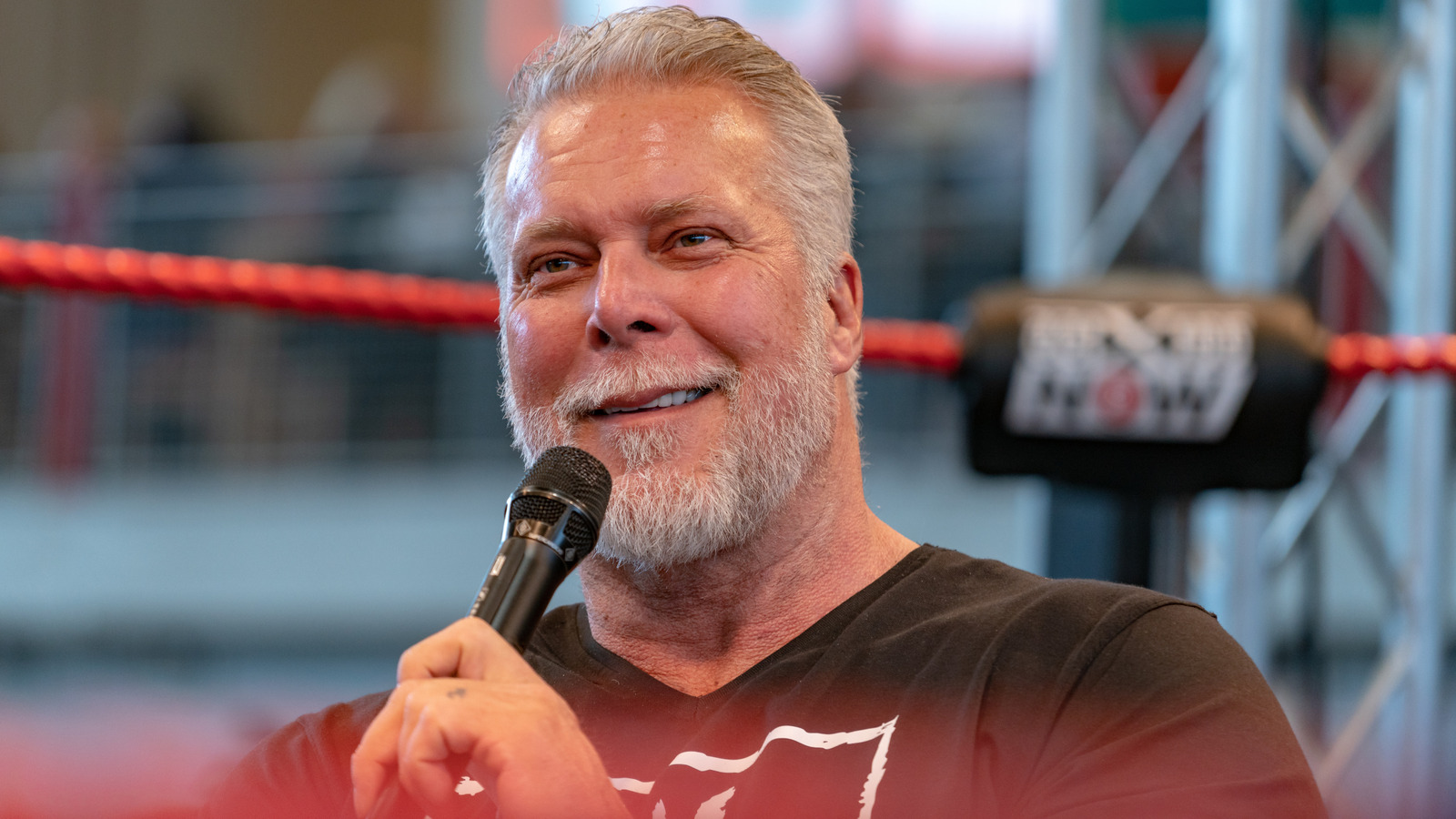
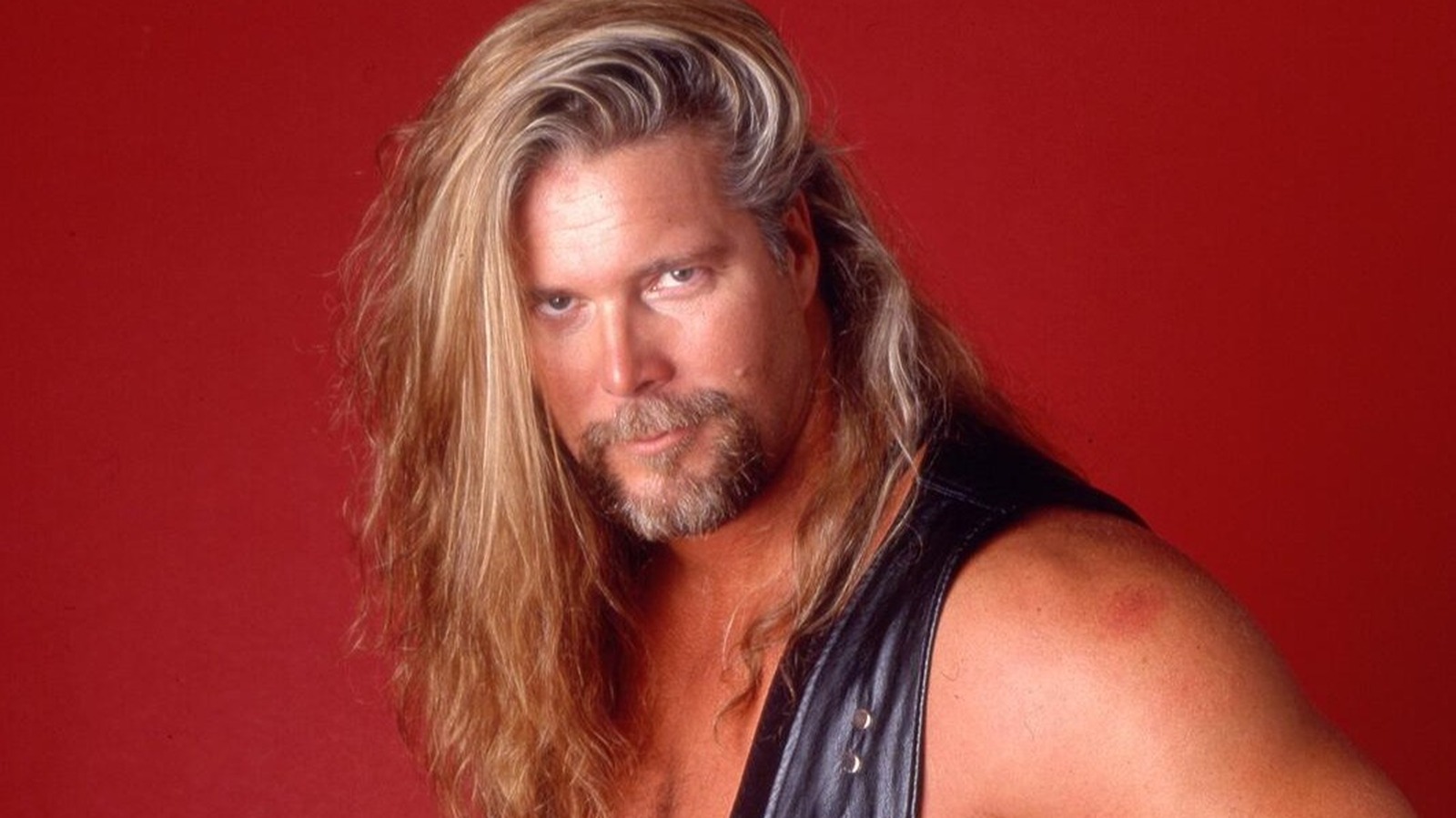
Let's start with the WWF side of the newsletter, which heavily covers Kevin Nash and his transition into a full-blown heel. The headline news is the massive success of the recent WWF Madison Square Garden house show, driven largely by the new attitude of Diesel. We look back at Kevin Nash going bad in early 1996 as some sort of brilliant prequel to the nWo. We pretend it was a calculated pivot. Listening to the contemporary reporting reveals the much messier truth.
Nash was already halfway out the door to Atlanta. His one-year run as the top babyface champion was a financial disaster for Vince McMahon. The company tried to turn a naturally sarcastic, seven-foot monster from Detroit into a smiling, high-fiving superhero who loved the fans. The fans hated it. By early 1996, the crowd was actively turning on him. McMahon essentially threw his hands up and let Nash stop pretending. The result was a revelation.
The MSG show succeeded because Nash was finally allowed to just be a giant, angry jerk who powerbombed people and left. He stripped away all the neon New Generation garbage. It worked entirely by accident. You listen to the Pastcast break down the crowd reactions in MSG, and it becomes glaringly obvious that the modern cool heel archetype was born out of sheer apathy. Nash simply stopped caring about getting cheered, which instantly made him the coolest guy in the building.
It is genuinely funny to compare that to the micromanaged heel turns we see today. If a major company tried to book the 1996 Diesel turn right now, they would script endless, crying monologues for him. Nash just glared at the hard cam, beat up babyfaces, and accidentally invented the attitude era vibe. The success of that single MSG show probably altered the entire trajectory of WWE programming for the next five years, and it only happened because their original plan failed miserably.
WCW's Uncensored '96 Disaster
Meanwhile, in Atlanta, World Championship Wrestling was doing whatever the exact opposite of printing money is. The Torch newsletter breakdown of the Uncensored 1996 card changes is pure, unadulterated comedy. You want to talk about bad booking? People love to complain about modern wrestling throwing random multi-man matches on pay-per-view to get everybody on the card. That is absolutely nothing compared to what WCW was doing.
Uncensored 1996 featured the infamous Doomsday Cage match. Let me remind you what this structural abomination actually was. Hulk Hogan and Randy Savage fought the Alliance to End Hulkamania. That alliance included Ric Flair, Arn Anderson, Meng, The Barbarian, Lex Luger, Kevin Sullivan, Z-Gangsta, and The Ultimate Solution. That is eight men against two. They fought in a three-tiered cage that looked like a rejected prop from a community theater production of Mad Max. The match dragged on for almost 25 minutes of pure agony. And Hogan and Savage won. Two guys beat eight guys.
Hearing the Pastcast hosts dissect the dirt-sheet reactions to this match in real-time is fascinating. WCW had unlimited Turner broadcasting money and a roster full of all-time legends, and they booked a cartoon sequence that insulted the intelligence of a six-year-old. This is my biggest negative takeaway from revisiting this specific era. We act like Eric Bischoff was playing four-dimensional chess from day one. He absolutely was not.
Uncensored 1996 proved that Hulk Hogan's creative control was a poison pill that WCW swallowed willingly. The entire main event scene was built around protecting Hogan's ego at the expense of the entire locker room. Every time I hear someone online beg for the good old days of 1996 WCW, I want to force them to sit in a chair and watch the Doomsday Cage match on a loop until they apologize. It was lazy, it was bloated, and it completely buried a half-dozen talented wrestlers just so Hogan could pose at the end of the night. The fact that the nWo angle fell into their laps a few months later is the greatest stroke of dumb luck in television history.
The Marc Mero Contract Squeeze
Then you have the business side of things, highlighted by the Marc Mero Torch Talk interview. Mero had just left WCW, where he was wrestling as Johnny B. Badd, and was heading to the WWF to eventually become the Wildman. In 1996, Mero getting the first guaranteed downside contract from Vince McMahon was a massive, industry-rattling story.
Mero was a solid worker. The Johnny B. Badd character was a surprisingly fun midcard act that consistently had good opening matches with guys like Diamond Dallas Page. But listening to the historical breakdown of this interview shows exactly how desperate the World Wrestling Federation was for warm bodies. McMahon broke his own unwritten rule about guaranteed money just to stick it to Eric Bischoff and steal a midcard act.
It completely broke the WWF pay scale. The Undertaker and Bret Hart were reportedly furious that an unproven guy walking in off the street was getting a guaranteed $250,000 a year when they had been carrying the company on their backs. It sounds exactly like some of the inflated contracts we see handed out today. A company panics and throws millions at a mid-level free agent just to keep them away from the competition. The names change, but the panicked executive behavior remains exactly the same.
The Pastcast review of Mero's mindset at the time shows a guy who knew his worth, understood the bidding war, and squeezed every single dime out of a paranoid billionaire. You have to respect the hustle. The bitter irony, of course, is that the massive contract barely paid off creatively. Mero came in, suffered injuries, and eventually became completely overshadowed by his own manager and wife, Sable. McMahon broke his financial structure for a guy who ended up being a footnote in the Attitude Era. But that single contract forced the entire industry to change how it paid its talent.
The Birth of the Modern Wrestling Internet
Another wild takeaway from this Pastcast episode is just how different the flow of information was in 1996. Moynahan and McDonald are breaking down a physical newsletter. People literally waited by their mailboxes to find out what happened at the Madison Square Garden house show or why the Uncensored card was changed. Today, if a match gets scrapped, we know about it on social media before the wrestlers even leave the building.
But the Torch Newsletter from March 1996 proves that the hardcore fan mentality hasn't actually changed at all. The complaints Wade Keller was writing about thirty years ago are the exact same complaints you see online right now. Fans were furious about part-timers getting main event spots. They hated illogical booking. They were annoyed that talented in-ring workers were being held down by aging veterans with political power. The medium has changed from printed paper to podcasts, but the anger is identical.
Thirty years from now, some podcast will be breaking down the backstage drama of this week. They will dissect the build to WrestleMania 41 in Las Vegas. They will talk about Cody Rhodes and Roman Reigns the exact same way this Pastcast talks about Diesel and Shawn Michaels. They will analyze whatever Tony Khan books at AEW Dynasty this weekend with the same brutal hindsight applied to Uncensored 1996.
Revisiting March 1996 through the lens of a classic PWTorch newsletter is the ultimate grounding exercise. Professional wrestling has always been a ridiculous, traveling circus. Half the locker room is perpetually unhappy about their push, the creative booking is usually held together by duct tape and panic, and the greatest, most memorable moments usually happen almost entirely by accident. If you think the wrestling product today is frustrating, go listen to Moynahan and McDonald talk about an eight-on-two cage match and a roster in open revolt over Marc Mero's paycheck. It will cure you of your 1990s nostalgia instantly.