The Mathematics of a Part-Time God
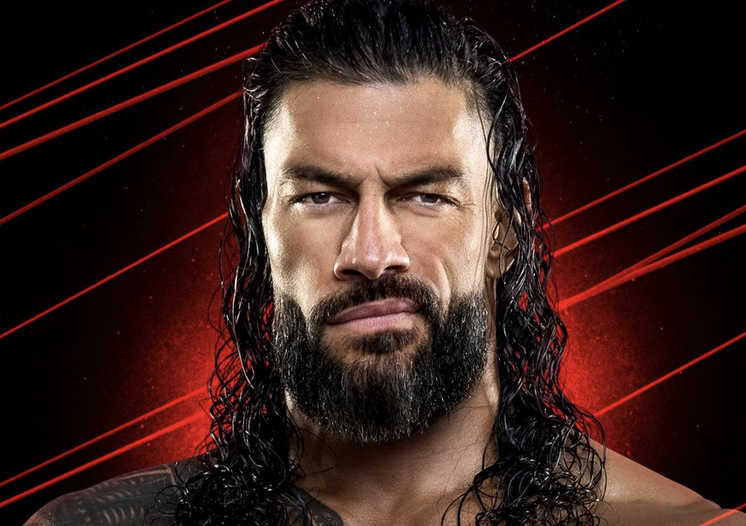
We are exactly 24 days away from WrestleMania 41 Night 2, and the biggest star in the industry is talking about a video game movie on late-night television. Roman Reigns recently sat on the couch at The Tonight Show, dropping celebrity names and casually addressing rumors from the set of the upcoming Street Fighter film. Cody Rhodes had previously characterized their relationship on that set as "strange." Reigns used a national television appearance to issue his response.
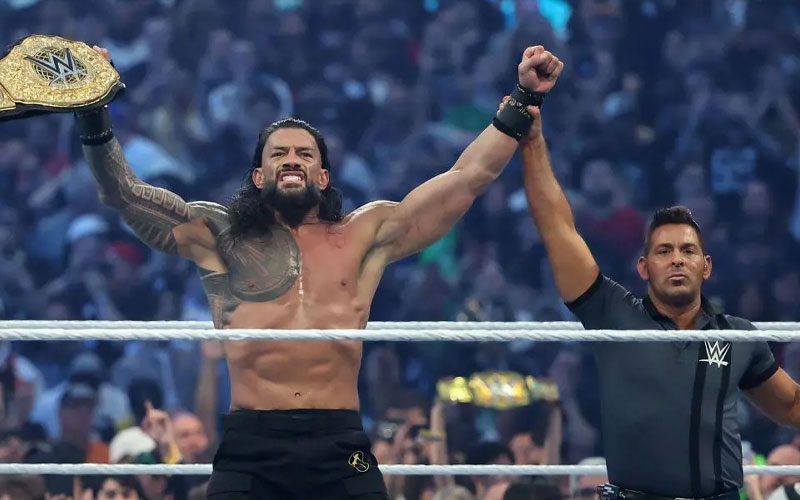
This disjointed promotional strategy feels entirely backwards for the most profitable weekend in professional wrestling. But Reigns has earned the right to ignore traditional tactics. He operates in a statistical reality completely detached from the rest of the WWE locker room. During his defining 1,316-day run as Universal Champion, he broke the modern mathematical models of wrestling television. Now, even without the belt, his shadow dictates the entire creative direction of the company.
To understand why Reigns can casually navigate a WrestleMania cycle via talk shows, you have to look at the numbers he generated over the last four years. In the television era—post-Monday Night Raw's debut in 1993—long title reigns were considered ratings poison. The conventional wisdom dictated that titles had to switch hands multiple times a year to maintain audience interest. Stone Cold Steve Austin won the WWE Championship six times in roughly four years. The Rock won it eight times in an even shorter window.
Reigns held his title for nearly four uninterrupted years, averaging just 11 televised defenses every 12 months. That is a startlingly low output for a modern top guy. Yet, the ratings consistently swelled when he appeared. SmackDown routinely cleared the 2.4 million viewer mark when Reigns was advertised, heavily outpacing episodes where he took the week off. He conditioned the audience to view his mere presence as a pay-per-view caliber event.
The mathematics of the Roman Reigns experiment prove a harsh reality: absence did not make the heart grow fonder, it made the wallet open wider. By heavily restricting his match count, WWE created a scarcity model that drove up the price of admission. It explains why WrestleTalk is already publishing articles debating who will induct him into the WWE Hall of Fame while he is still an active, main-eventing competitor. He is a legacy act operating at the peak of his physical prime.
The Nash Theory and CM Punk
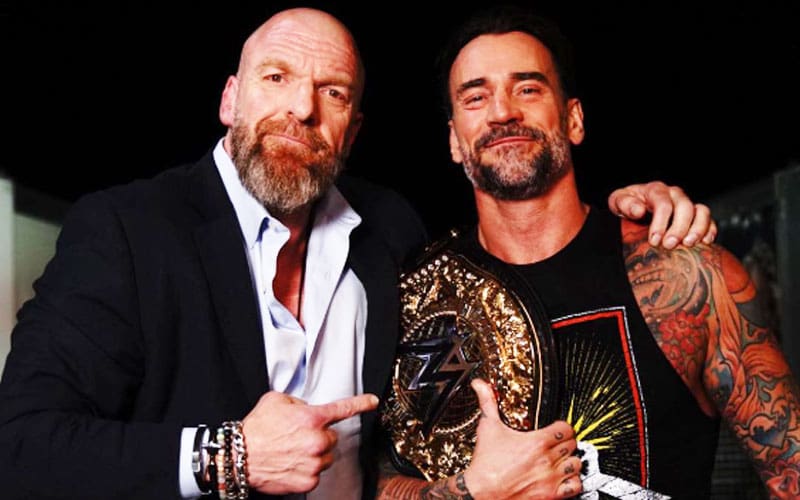
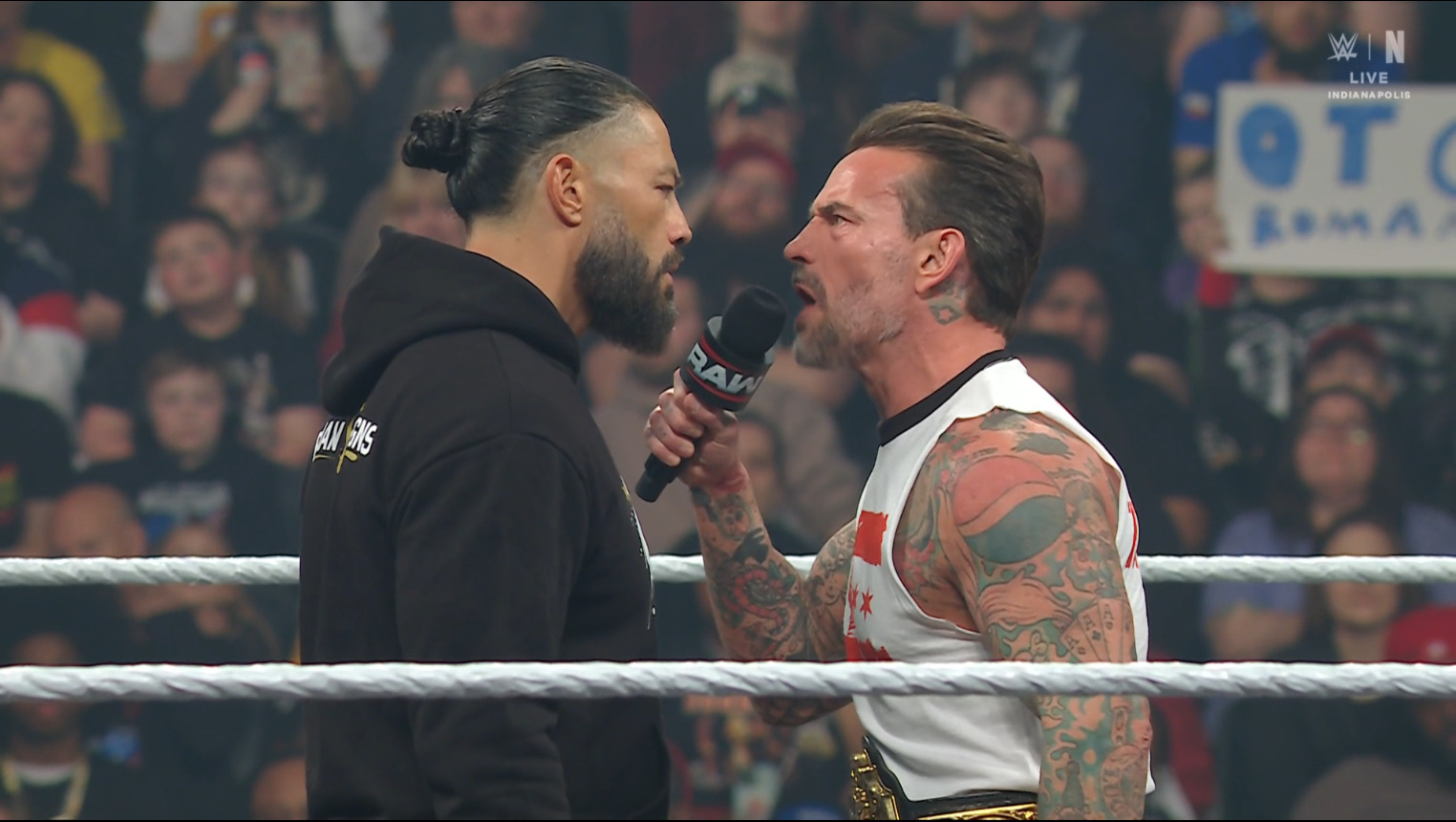
That legacy status causes serious structural problems for WWE's current storytelling, specifically regarding his impending collision with CM Punk. On a recent episode of the Kliq This podcast, WWE Hall of Famer Kevin Nash stated bluntly that he does not view Reigns as the heel in the Punk feud. The numbers and crowd reactions heavily support Nash's assessment.
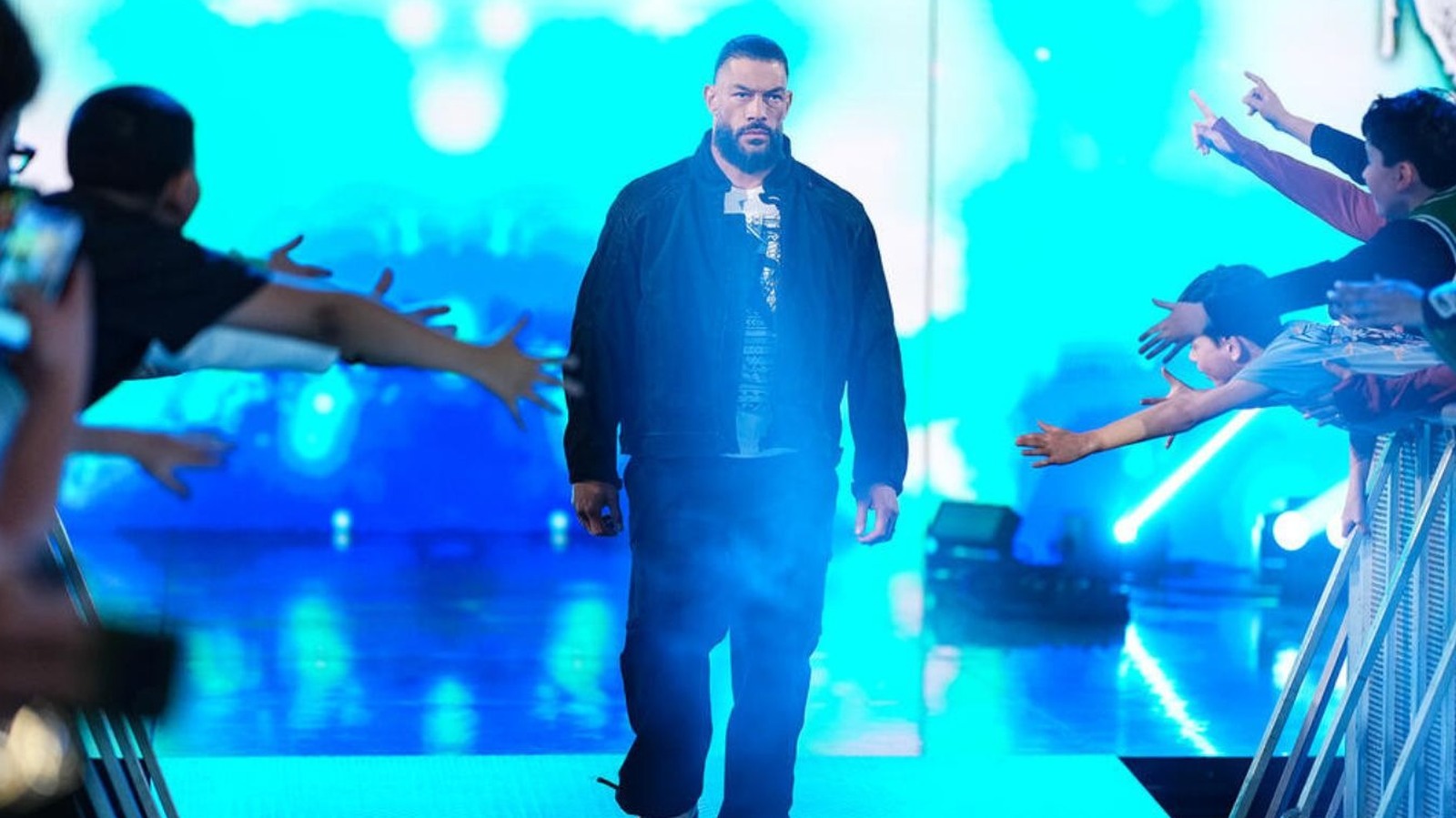
When Reigns walks to the ring, the crowd response is overwhelmingly positive. He is selling merchandise at a volume typically reserved for massive babyfaces. Against Punk, the dynamic is entirely scrambled. Punk relies on a blistering verbal pace and rapid, high-workrate in-ring transitions. Reigns does the exact opposite. A standard Roman Reigns main event averages around 22 minutes, but the first five minutes are often spent doing absolutely nothing. He walks the ring, he stares at the crowd, he forces the opponent to wait.
You cannot successfully position a man as a villain when 70 percent of the arena is cheering his entrance. Nash sees it clearly. The audience is effectively rejecting the assigned alignment. Reigns is too respected to be booed, and Punk is too polarizing to be universally cheered. It creates a weird, muddy atmosphere where the typical protagonist-antagonist rules simply do not apply.
Suffocating the Midcard
Reigns consuming so much atmospheric oxygen carries a severe negative consequence, and it is showing up further down the card. A recent PWTorch report analyzing WWE's rising and fading stars noted the impressive ingress of internet personalities like IShowSpeed and the continued momentum of Jade Cargill's crew. But the report also highlighted a glaring failure: the tepid tag titles.
When Reigns and his associated Bloodline storylines consume upwards of 40 minutes on a two-hour SmackDown broadcast, the math simply does not work for the rest of the roster. You cannot fit compelling midcard narratives into the remaining 80 minutes once you account for commercial breaks, ring entrances, and recaps. The tag team division is drowning because it is fighting for scraps of television time.
Building a company around a single, massive gravitational pull eventually burns the rest of the atmosphere. Everything outside of Reigns' immediate orbit suffers from neglect. The tag team titles feel worthless right now because they are mathematically excluded from being important. They receive an average of six minutes of screen time per week compared to the sprawling, multi-segment cinematic epics afforded to Reigns and Cody Rhodes.
The Street Fighter Distraction
The strange Hollywood subplot only complicates the picture further. Rhodes defends the WWE Championship on Night 2 of WrestleMania 41 on April 20. It should be the most straightforward, heavily protected storyline in the company. Instead, the focus repeatedly drifts toward a video game movie. Rhodes publicly commented on the bizarre nature of their interactions on the Street Fighter set. Reigns felt the need to respond on The Tonight Show.
Blurring the lines between real-life Hollywood friction and in-ring storylines is a dangerous game. It risks alienating the core fanbase that pays to see wrestling, not behind-the-scenes movie gossip. Does the fact that they allegedly avoided each other by the craft services table translate into pay-per-view buys? History suggests that heavily metatextual feuds often lose the casual viewer.
WCW tried a similar approach in the late 1990s, constantly winking at the camera and referencing backstage politics. It resulted in a massive drop in viewership. While WWE is currently in a much healthier financial position, the creative trap remains the same. The audience wants a clear reason why two men are fighting in a ring, not a recap of a tense movie shoot.
The Final Stretch to Las Vegas
As the clock ticks down to Allegiant Stadium, Reigns is stepping into what will likely be his 10th WrestleMania main event. He has been on the main roster for an astonishing 14 years, having debuted in 2012. He has absolutely nothing left to prove in terms of drawing money or anchoring a stadium show. The stats are etched in stone.
But he does have to prove that this strange build was worth the collateral damage. He has to prove that ignoring the tag team division, leaning into Hollywood gossip, and functioning as an un-booable heel against CM Punk will actually result in a compelling match. Reigns is betting heavily on his own star power. He assumes that his sheer presence is enough to cover the creative cracks.
The numbers will tell the truth on April 20. If the Vegas crowd is dead for the undercard because the television build gave them nothing to care about, the blame will land squarely on the booking structure. Reigns has conquered the industry's record books. Now, he just has to make sure the rest of the show survives his dominance.
Read Next
- Is John Cena a master of media or just a world-class dodgeball player?
- WWE Main Event is hiding the most ruthless numbers in wrestling
- TNA is actually cooking and it is making me deeply uncomfortable
- Top 10: The Defining TNA Impact Moments of the Spring Cycle
- 🏆 WrestleMania 41 — Full Coverage Hub
- 💥 WWE Backlash 2026 — Full Coverage Hub
- 💊 CM Punk WWE 2026 — Best in the World
- 👑 Roman Reigns Return 2026 — The Tribal Chief