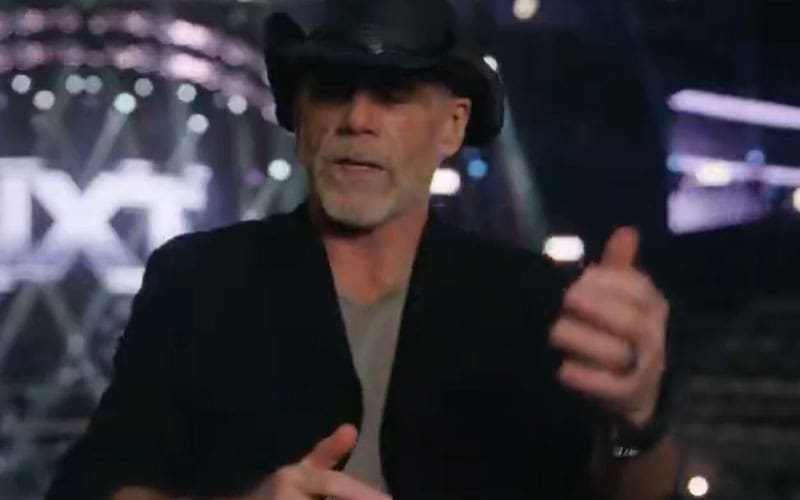
The cost of being the Showstopper
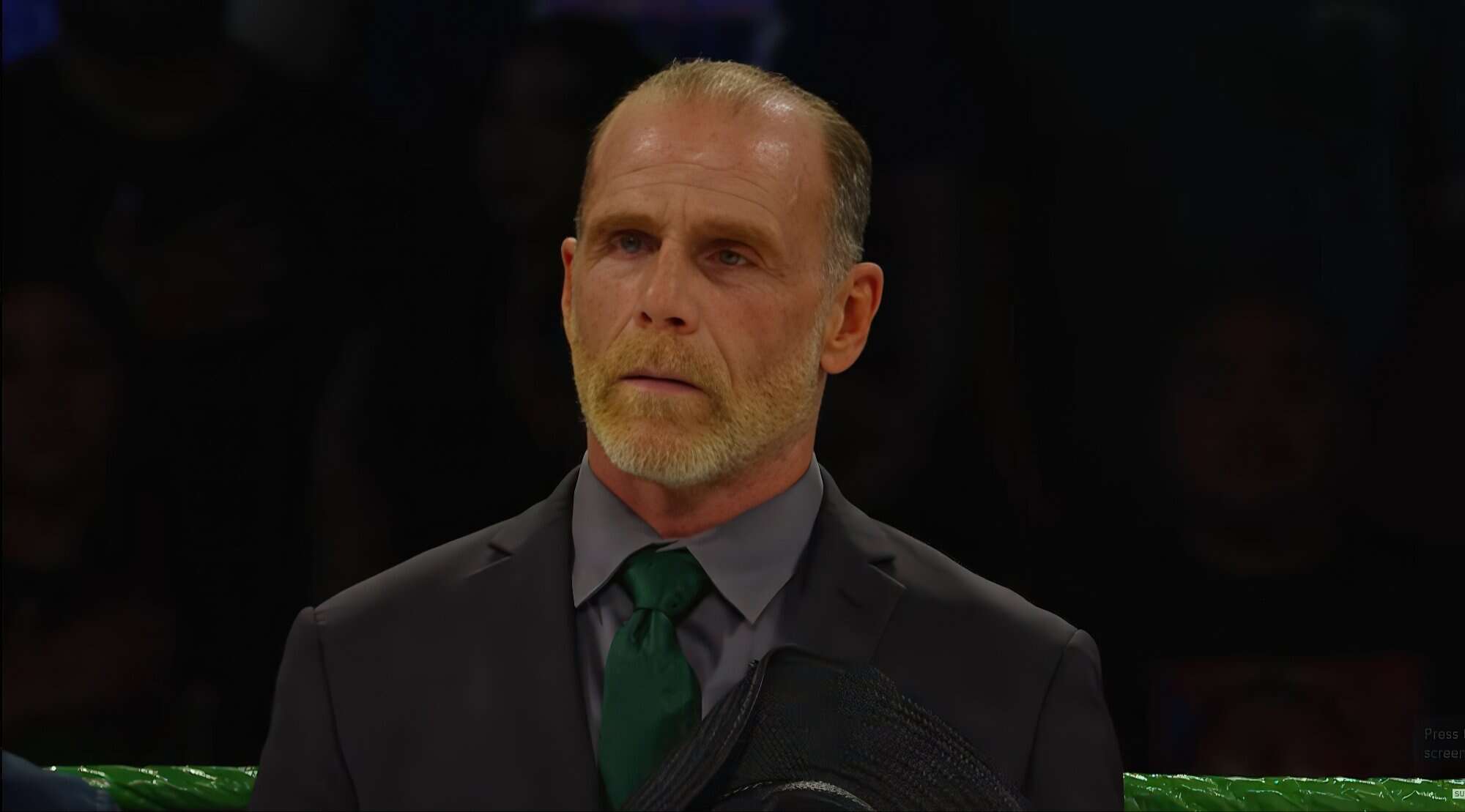
We see the version of Shawn Michaels that sits in the Gorilla Position, looking like a retired English professor who just discovered the joy of gardening. It makes it easy to forget that the guy lived through a decade that would have killed a lesser mortal. His recent admission regarding the drug-fueled spiral of his 1990s run isn't just another nostalgia trip; it’s a terrifying reminder of what the business actually took from those guys.
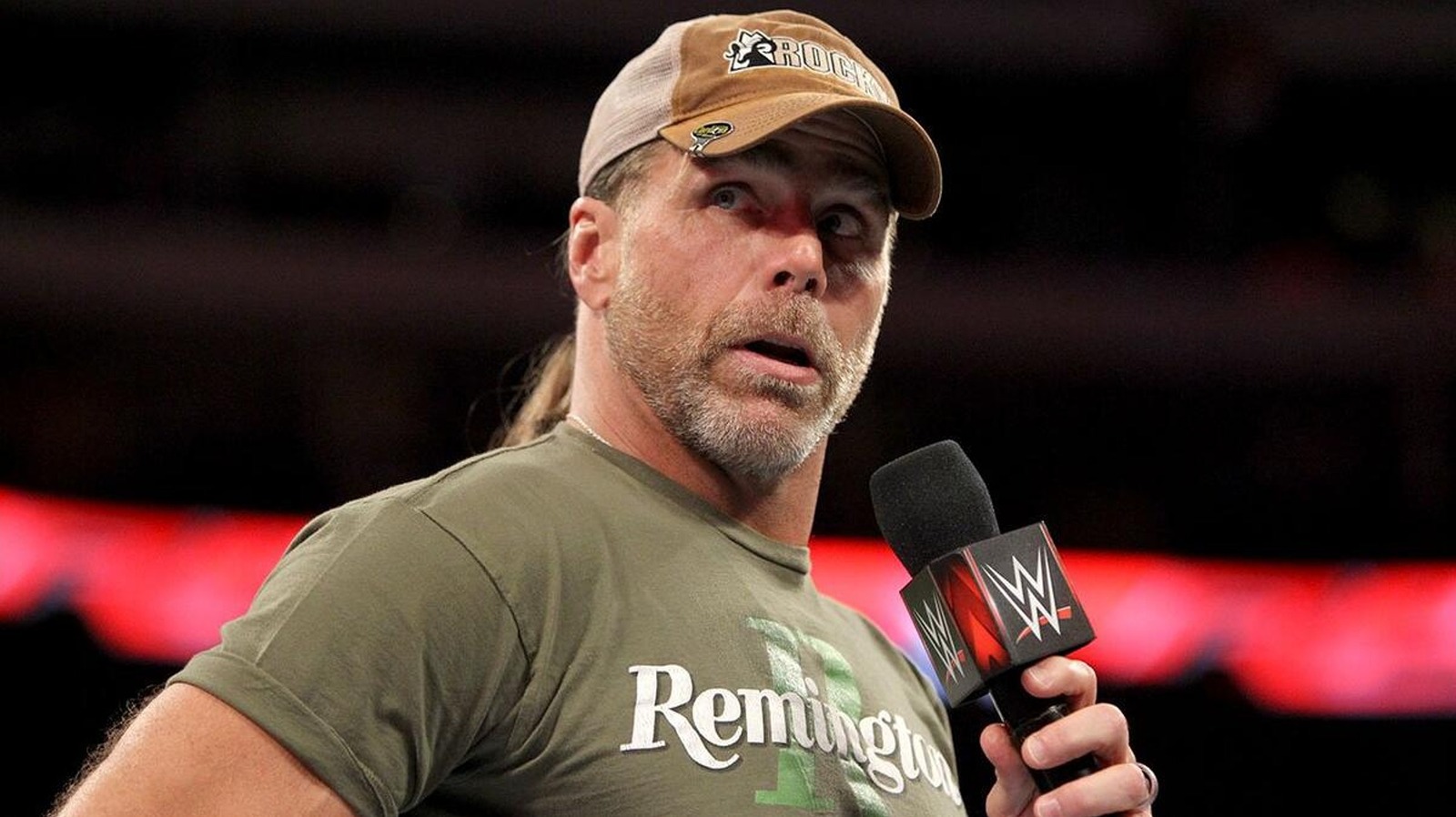
As Ringside News reported, HBK is finally stripping away the veneer of the 'Heartbreak Kid' caricature to talk about the physical and mental wreckage his past lifestyle left behind. For those of us who grew up watching him flip around the ring in those neon leather pants, hearing him characterize that era as a near-death experience changes how you watch his old matches. You start looking for the tells — the dilated pupils, the erratic intensity that went beyond just 'kayfabe' aggression.
The wrestling community is reacting in lockstep
Predictably, the internet wrestling community has turned this into a massive debate about the industry's evolution. You have the veterans and old-school purists who talk about this like a badge of honor. Then you have the younger fans who are rightfully horrified that this is what professional wrestling once normalized as a cost of doing business. It's a clash between 'that’s just how it was' and 'that’s why we need wellness policies.'
I spent the afternoon scrolling through the threads, and the divide is wider than the gap between John Cena’s acting range and his rapping ability. One user on the subreddit hit the nail on the head: 'People keep asking why the 90s output felt so visceral, but we never stop to acknowledge the cocktail of substances that made them move that fast after three-hundred days on the road.' It’s not a take I love, but it’s hard to argue with given the mortality rate of that specific roster.
The skeptics versus the sentimentalists
Not everyone is buying the 'reformed monk' act completely, though. There is a vocal group of contrarians who argue that these retrospective interviews are a calculated brand play. One twitter post from a prominent account noted, 'The WWE machine loves a redemption arc, and Shawn’s transition from a toxic backstage presence to a mentor figure is the most successful rebrand in sports entertainment history.' It’s cynical, but this is the same guy who superkicked Marty Jannetty through a barbershop window. The man is a master of reinventing his public image.
Then you have the people who refuse to look at the dark side because they want the magic to survive the truth. They keep pointing to the iron man match at WrestleMania 12 as evidence that he was purely talented. I don't think he lacks talent, but being the best guy in the building doesn't entitle you to a pass on the damage you caused to yourself and the locker room. You can appreciate the artistry while acknowledging that the artist was fueled by a dangerous, unsustainable fire.
My take: The legacy is defined by the recovery
Here is where I land after staring into the abyss of these message boards for six hours. The stronger argument belongs to the folks who view Michaels’ current status as proof that the business has actually grown up. We are staring down WrestleMania 41 in five days, and looking at the current training regimens of performers like Je’Von Evans or Bron Breakker, the contrast is night and day.
The 90s were an era built on a foundation of chemical dependency and toxic ego. Was the product exciting? Sure. It was a nitro-fueled joyride off a cliff, but it was headed for a hard landing. Michaels surviving it isn't just a personal victory; it’s the blueprint for how guys like Triple H managed to transition from the Kliq to the boardroom. If Shawn hadn't survived to tell this story, the corporate culture of the company would probably look a lot more like the wild west of 1996.
We need to stop pretending that athletes from that era were performing under normal conditions. Every time we praise a high-risk spot from that time period, we are technically watching a man risk his life purely to keep the lights on for the next pay-per-view. Shawn Michaels talking openly creates a necessary friction for the current crop of talent. It forces them to look at the 'Showstopper' persona and recognize it for what it truly was: a lethal performance that luckily didn't claim another name for the history books.
So, go back and watch the tapes if you want. Just don't romanticize the addiction. It wasn't 'gritty' or 'hardcore'; it was just a slow-motion car crash that somehow ended with the driver walking away in a nice suit. That makes for a hell of a story, even if it confirms that the wrestling business was, and occasionally still is, a absolute meat grinder.