
The celebrity trap remains a dangerous game for WWE
The noise behind the spotlight
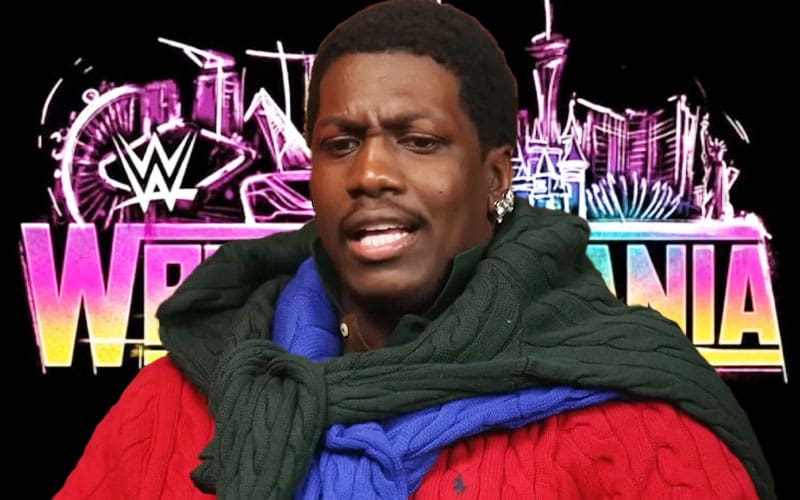
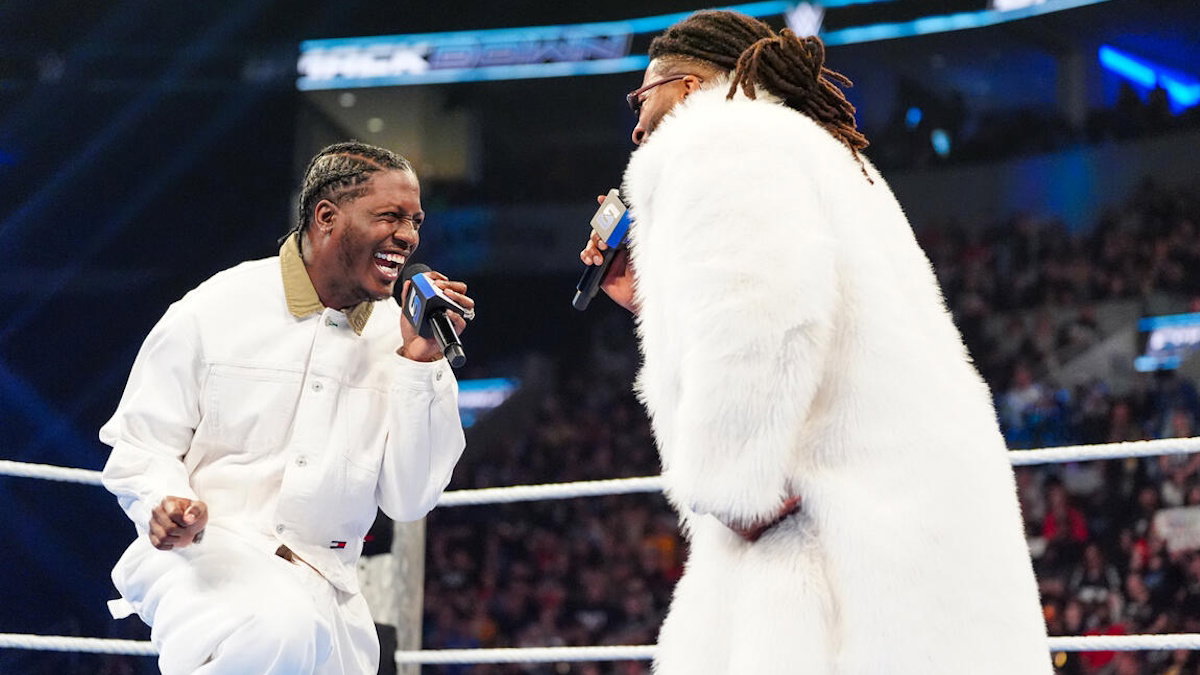
April 2026 finds the wrestling industry grappling with a recurring question. Why does the proximity of mainstream celebrity culture consistently trigger such a volatile reaction from the core audience? This week, Lil Yachty pushed back against a groundswell of online dissent regarding his ongoing presence within WWE programming.
The discourse surrounding these appearances is rarely about the caliber of the performer themselves. It centers on the perceived displacement of full-time professional wrestlers who dedicate their physical health to the craft. When a rapper or actor steps into a program, they occupy screen time that could be allocated to developing mid-card storylines or nurturing talent currently working the house show loops.
The math of a moments-based strategy
Management clearly views these collaborations as necessary for visibility. The logic holds that reaching outside the bubble of dedicated wrestling fans is the only way to scale the brand. However, the data suggests that these interventions often create friction rather than engagement. A fan watching two years of weekly television expects a payoff for their loyalty. When that finish is sidelined for a musical performance or a cameo, the rhythm of the product suffers.
As reported by WrestleTalk, the influx of celebrity involvement has reached a point where it serves as a lightning rod for broader complaints about the direction of the product. The frustration is not rooted in the individual, but in the structural decision-making process. Booking a guest star into a prominent segment changes the tone from an athletic contest to a variety show.
Missing the point of the ring
Professional wrestling thrives on the narrative arc of the underdog or the rise of the specialized athlete. When a celebrity is integrated, the suspension of disbelief becomes harder to maintain. We see it in how these segments are produced; the lighting shifts, the pace slows, and the internal logic of the match often takes a backseat to the visual spectacle of the guest.
According to PWInsider, the reaction from the performer has been defensive, with Yachty insisting that his moment should not be tarnished by the grumbling of an ungrateful audience. This highlights a fundamental disconnect between corporate goals and the community expectation. The company is hunting for mainstream clicks, but the audience is looking for the kind of psychology seen in the 30-minute iron man matches of a bygone era.
A pattern of misplaced priorities
The danger is that over-saturation eventually dilutes the product identity. If the primary selling point of an event becomes the list of guests rather than the card itself, the long-term health of the roster takes a hit. We see this frustration boiling over in comment sections and social threads where fans express concern that their sport is being treated like a marketing billboard.
It is a tactical miscalculation to assume that casual views lead to long-term subscriptions. True retention comes from the consistent delivery of high-stakes, well-booked athletic drama. Unless that balance is struck, the friction over celebrity involvement will continue to manifest, regardless of how many hits a song or a film gains in the real world.
The timing is particularly ironic given the proximity of major events like Ringside News documented. WrestleMania 41 sits just 13 days away, and the hunger for pure wrestling is at a high. If the creative lead-in leans too heavily on cross-promotional stunts, the risk of a disgruntled crowd turns from a hypothetical concern into a concrete reality.
Funko Pop! WWE: Rhea Ripley (WrestleMania 40) #193
Add Mami to your collection with this detailed WrestleMania 40 edition.
Frequently Asked Questions
Why do WWE fans often dislike celebrity appearances?
What is the primary motive behind WWE bringing in celebrities?
How do celebrity guest spots impact WWE programming quality?
How did Lil Yachty respond to criticism regarding his WWE segments?
What are the long-term risks of over-relying on celebrities in WWE?
More Coverage
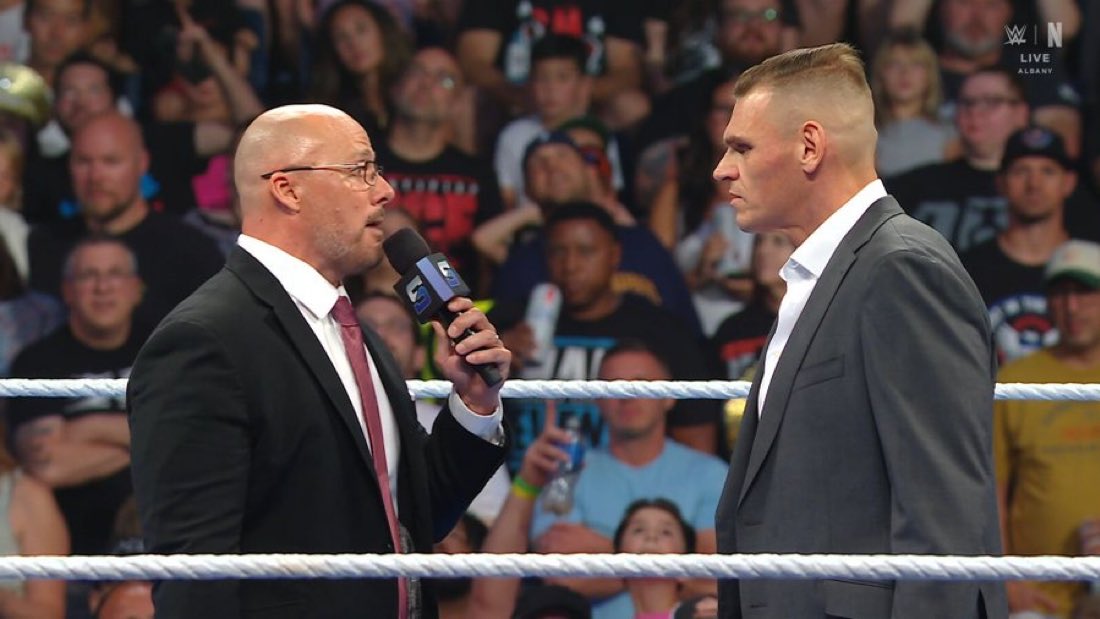
Stipulations are turning this weekend into a booking chaos simulator
4 hours ago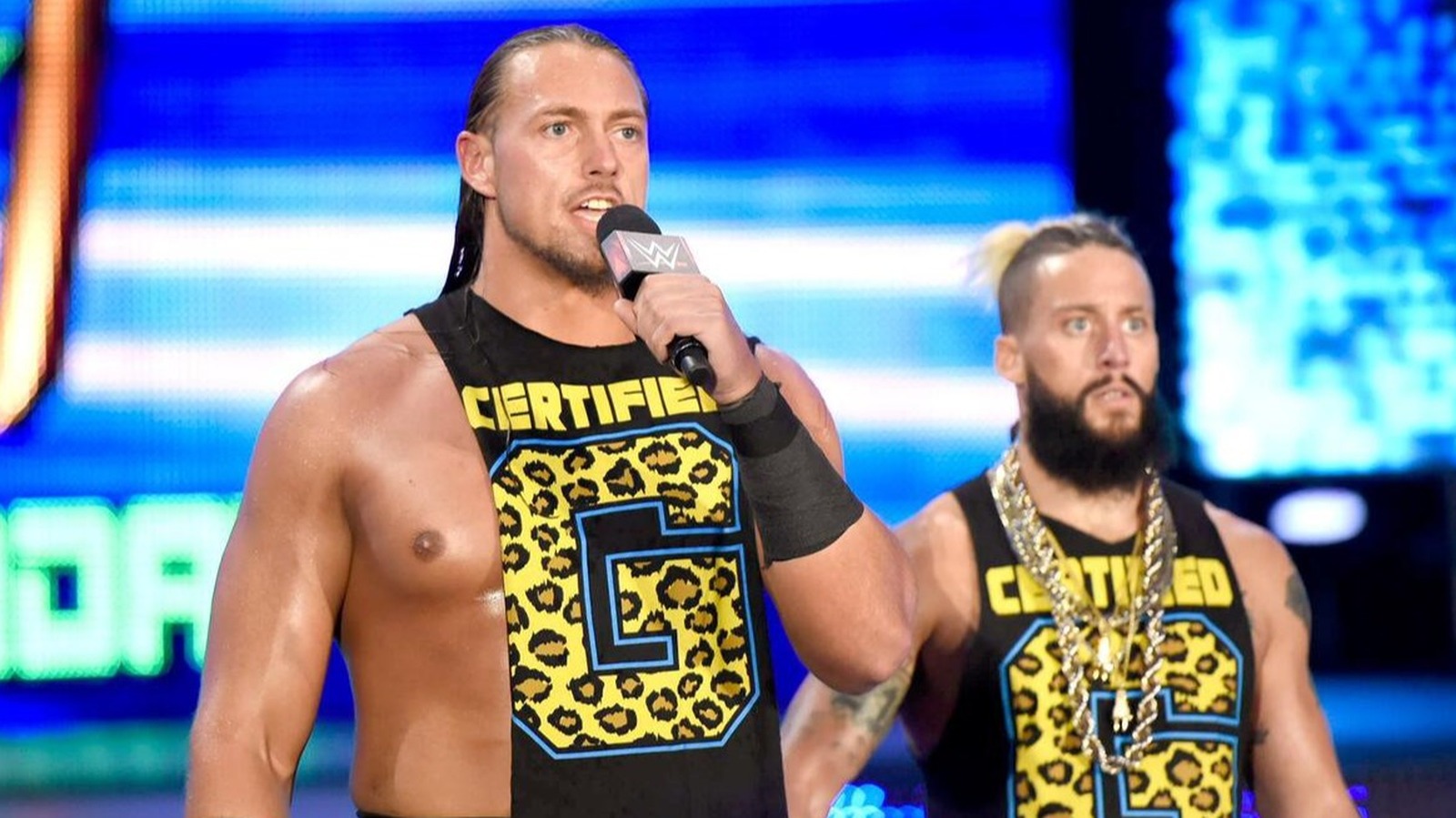
Top 10: Defining Moments of the 2026 Wrestling Calendar
5 hours ago
The math behind AJ Styles' longevity and the myth of career security
5 hours ago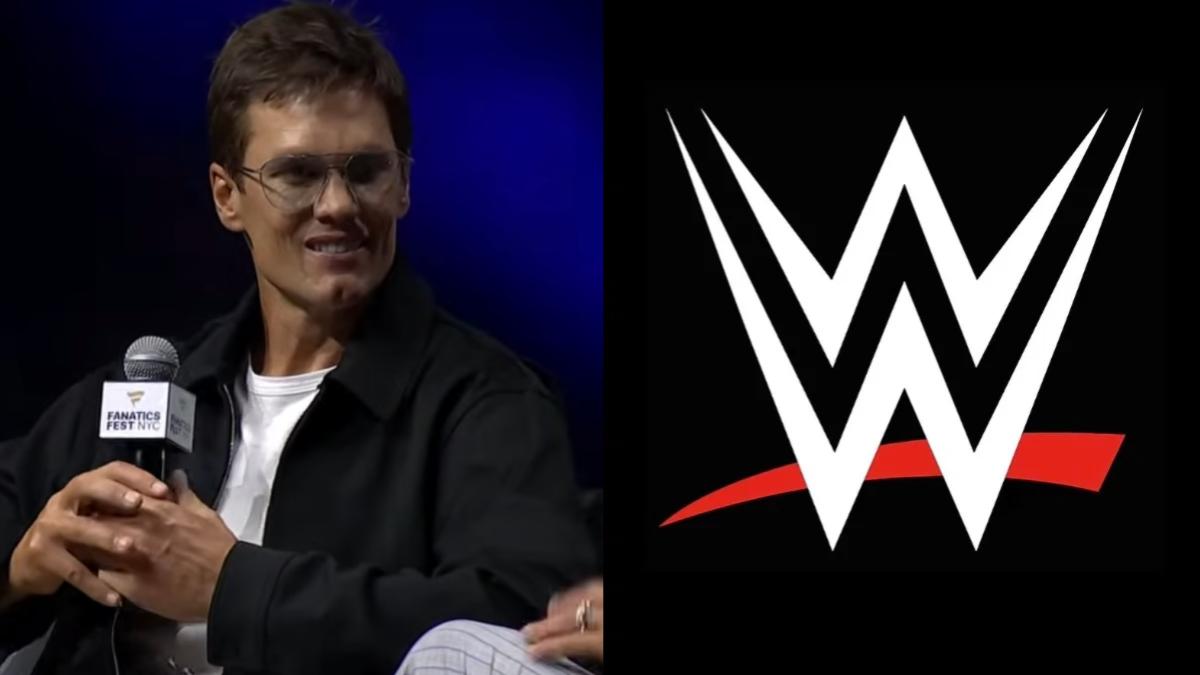
Can Logan Paul actually carry Tom Brady to a watchable WWE match?
5 hours ago
AJ Styles admitting his biggest WWE fear is the ultimate reality check
5 hours ago
Why putting Nick Aldis in the ring for SummerSlam is a booking gamble
6 hours agoMore Analysis
Celebrity cameos at WrestleMania 41 feel like a massive distraction
3 months, 2 weeks ago
WrestleMania 41 is shaping up as WWE's biggest moment in years
3 months, 1 week ago
The Lil Yachty cross-over is already a booking mistake
3 months, 2 weeks ago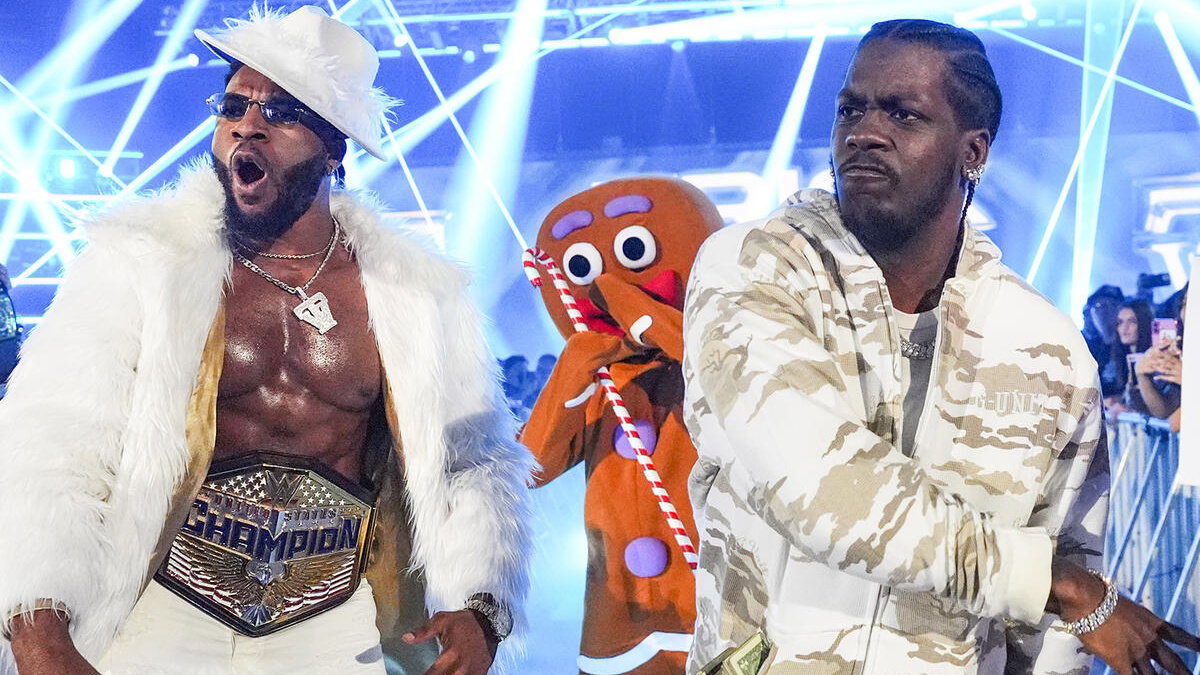
The math behind WWE’s push for celebrity in-ring competition
2 months, 2 weeks ago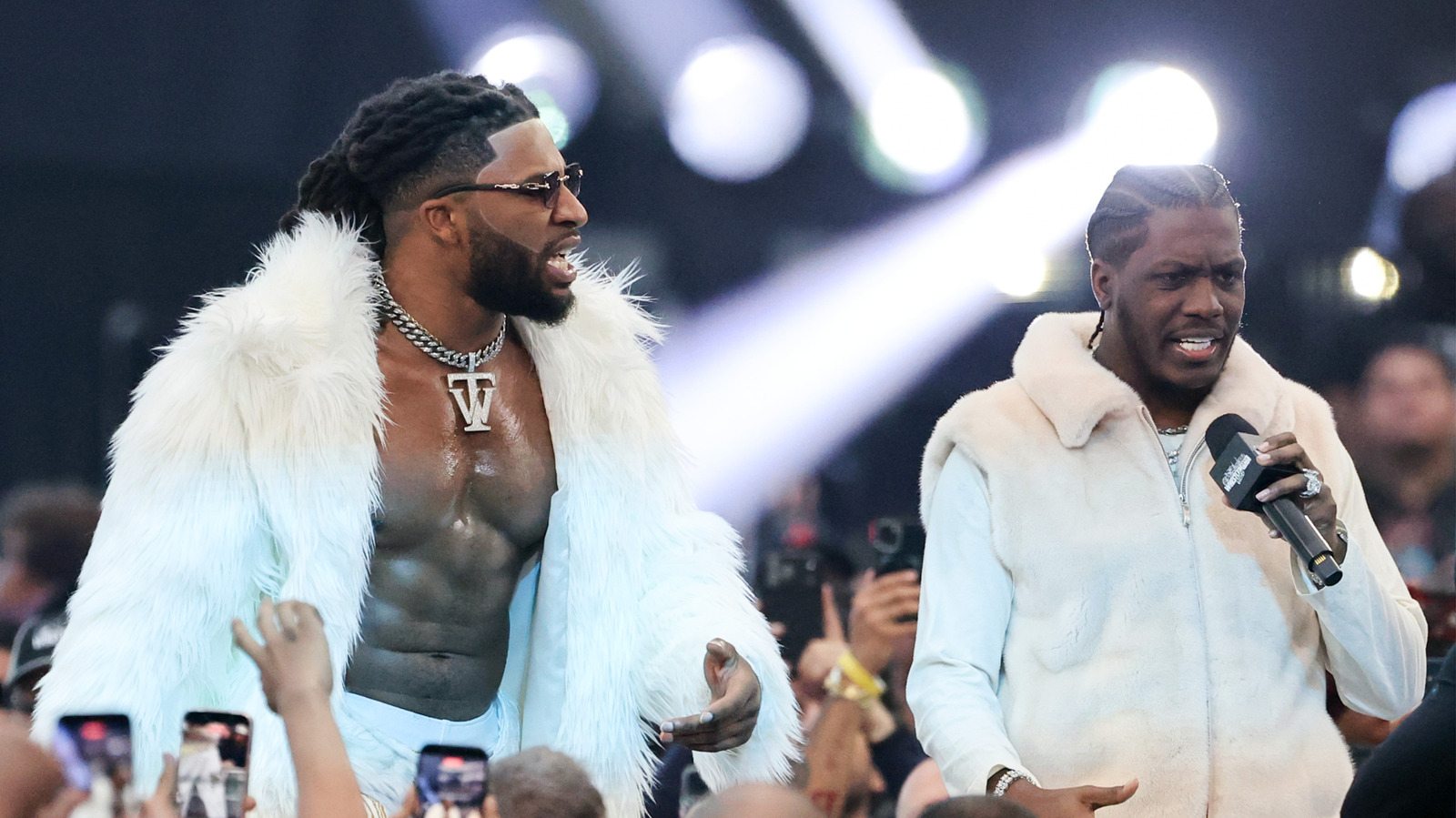
Lil Yachty in the WWE ring is a fever dream we don't need
1 month, 2 weeks ago