The August fallout for the April releases
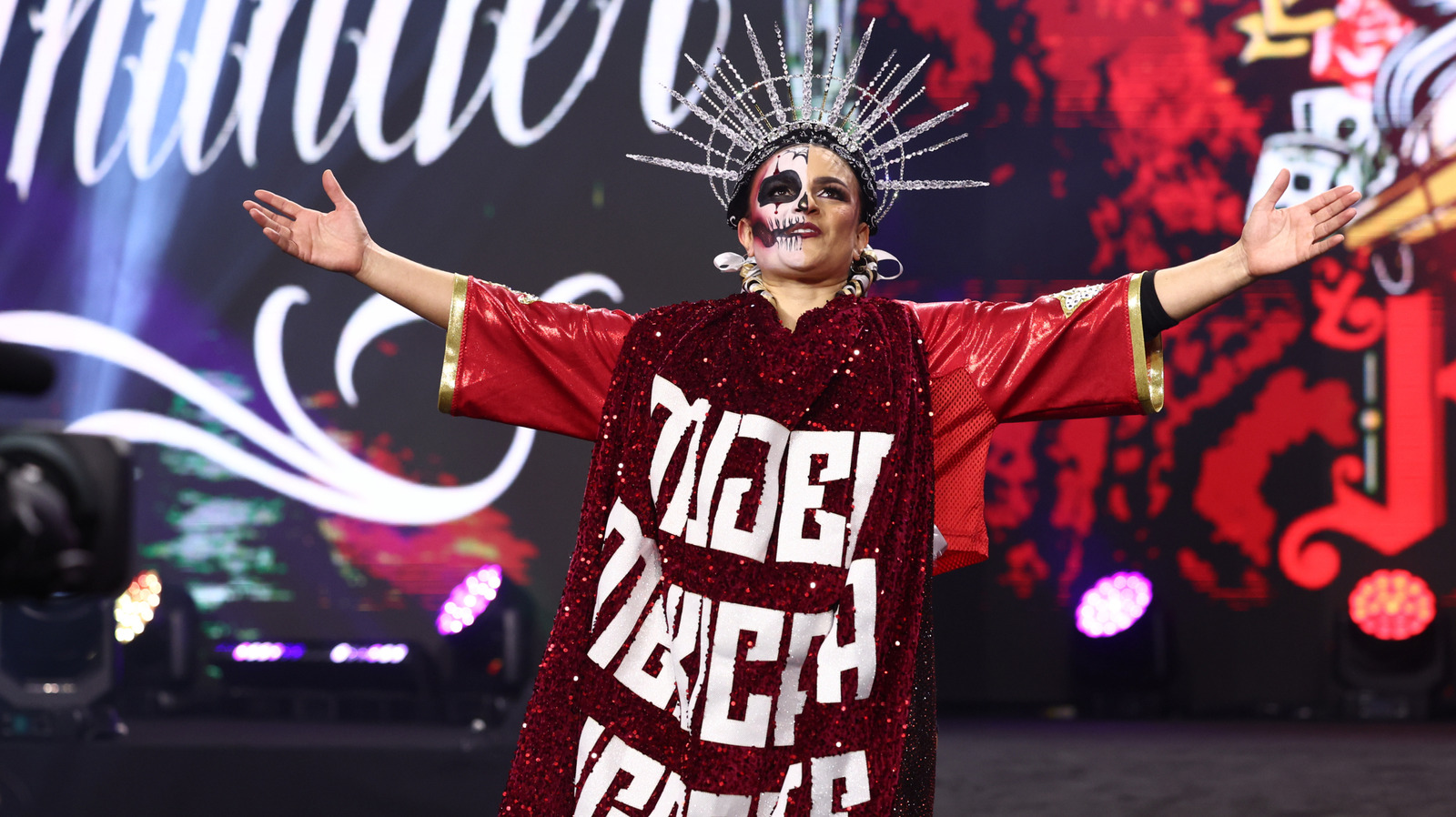
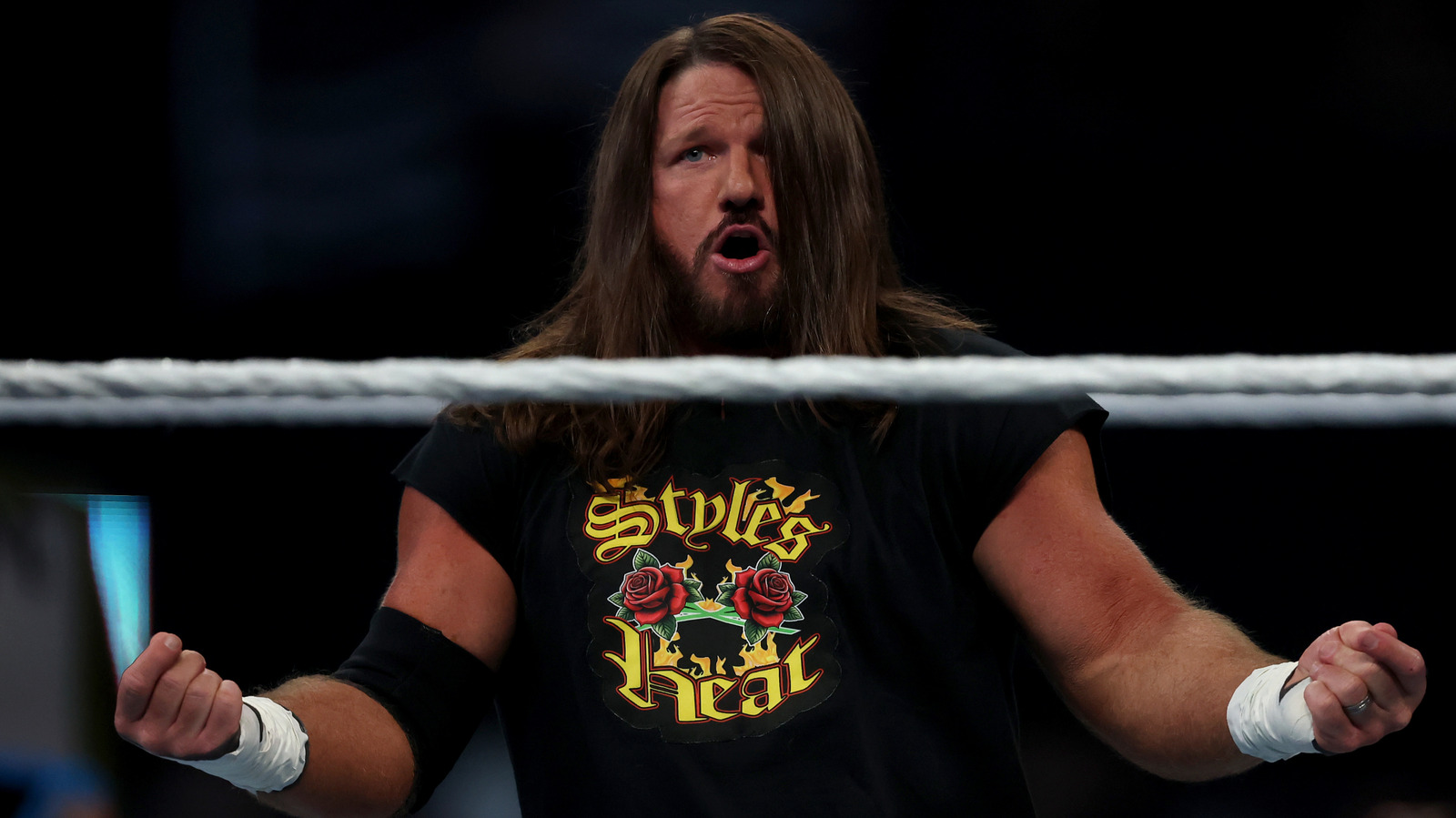
The wrestling calendar often slows during the mid-summer heat, but as of July 26, 2026, the marketplace has shifted. Several high-profile talents who departed WWE in April officially cleared their non-compete clauses on July 23. The industry is currently waiting to see who signs with major promotions and who chooses the jagged road of the independent circuit.
Reports published by WrestleTalk confirm the transition to free agency for these individuals is now complete. The professional landscape rarely offers such a sudden influx of established television performers. Most of these wrestlers spent years in the Stamford system, meaning their reintroduction to independent rings will be a test of their individual drawing power.
The JBL school of thought: Building a resume elsewhere
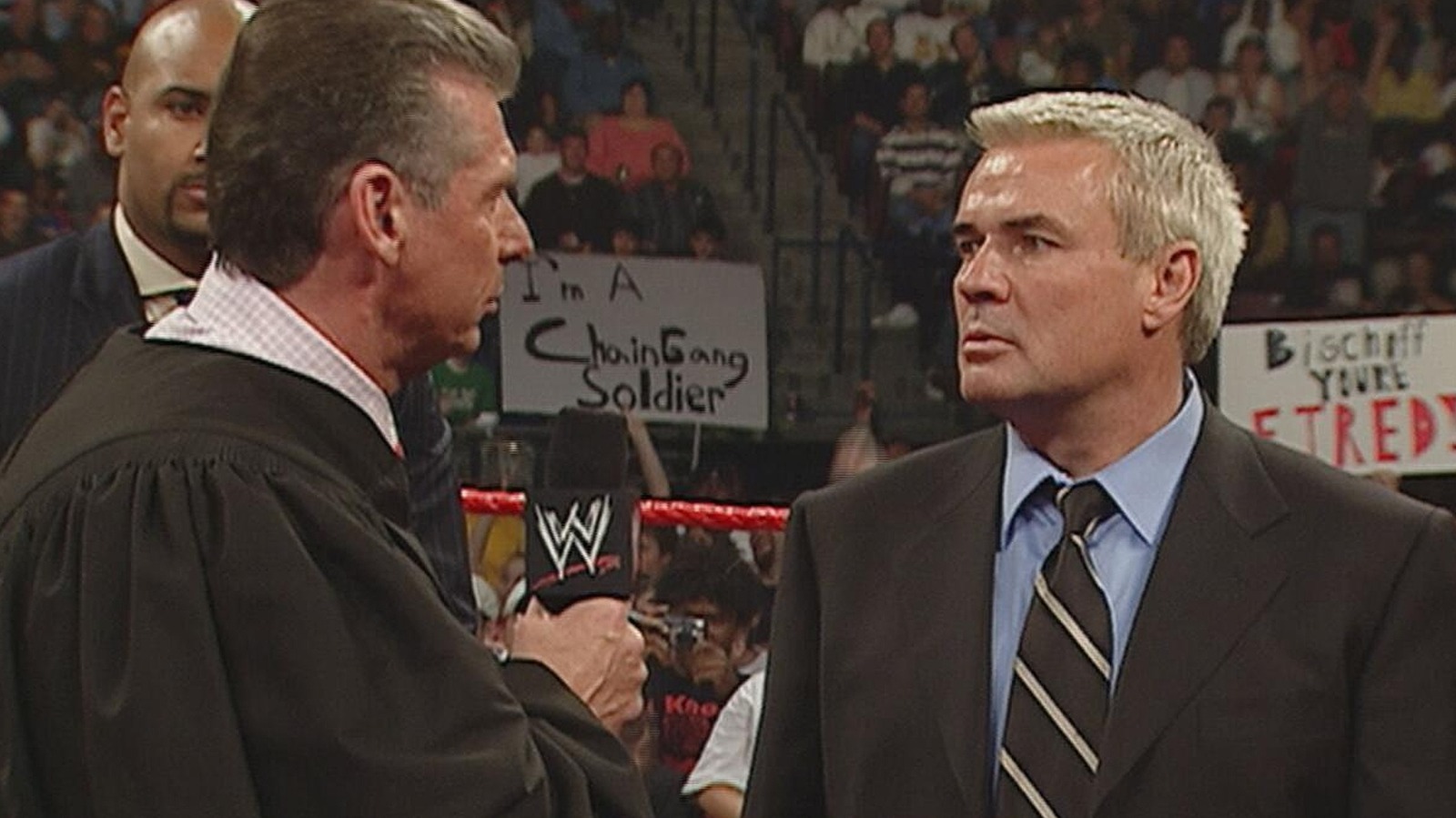
Former world champion JBL recently offered a blunt assessment for those currently pacing the free agent market. He noted that WWE will inevitably come calling again if these performers prove they can deliver consistent box office numbers outside of their primary umbrella. This is the classic veteran perspective: stop waiting for a phone call and start booking your own main events.
As WrestlingNews.co detailed, the pressure is on these talents to reinvent their presentation. If they return to the exact same gimmick, they risk being seen as leftovers rather than marquee signings. The most successful examples in history, from Drew McIntyre to Cody Rhodes, changed their habits before showing their faces in a new home.
NWA and the pipeline debate
A curious development surfaced regarding the National Wrestling Alliance. Recent reports suggest WWE is actively looking to deepen its working relationship with NWA to send more talent downward for development. While this sounds like a win for industry cooperation, it presents a potential booking bottleneck for independent stars.
If the NWA becomes an unofficial expansion of the performance center, the room for genuine free agents to shine on those cards shrinks. A critical flaw in this approach is the tendency for WWE-trained talent to struggle with the more stripped-down, gritty style required to sell out smaller venues. They are often too polished, missing the raw aggression required to make a mid-tier promotion feel dangerous.
Individual trajectories and landing spots
The talent entering the market in late July face a stark choice. Do they chase the security of a mid-card role in AEW or TNA, or do they gamble on their ability to move tickets in GCW, RevPro, or Stardom? The former path guarantees a weekly paycheck but risks the same creative stagnation that led to their release in April.
The latter path is harder. It requires a mastery of social media promotion, high-level merchandise design, and a willingness to perform in vastly different lighting conditions than the high-production spectacle of their previous employer. Reliability is the metric these promoters care about—not the history of a championship belt held three years ago.
Probability and creative outlook
The likelihood of a massive signing wave by major promotions is moderate. Most creative teams are currently locked into stories for the late summer, meaning immediate debuts are rare. We should expect a trickle-down effect over the next 90 days. The most probable outcome is a string of one-off appearances and tournament spots before any long-term contracts are signed.
The impact of this influx will be felt most acutely in the mid-week streaming wars. Promotions like GCW are desperate for names that can pop a rating on a Thursday night. If a former WWE standout appears in an unscripted, chaotic setting, it generates buzz that social media algorithms love. If they play it safe and stick to the same style they used in their previous life, the audience will tune out by month three.
Booking mistakes remain the biggest hurdle. Promotions often make the mistake of pushing these talents based on their pedigree rather than their current condition. If the audience doesn't receive a compelling reason to cheer for them on day one, the novelty wears off fast. The goal for these performers is simple: become the biggest fish in a smaller pond, or risk being forgotten as the cycle continues to turn.
The next month is the ultimate proving ground. We will track the bookings and the crowd reactions at every venue. For talent looking to rewrite their narrative, July 2026 marks the end of their grace period and the return to the grind of live performance.