The Anatomy of a Botch
The illusion of control is the greatest trick professional wrestling ever pulled. We watch massive athletes hurl each other across twenty square feet of canvas and steel, and we inherently trust the geometry of the bump. We assume the landing is calculated. We assume the mat forgives. It doesn't.
With WrestleMania 41 exactly 21 days away, the focus shifts entirely to preparation and survival. The training camps are brutal. The cardio sessions are endless. But the real anxiety echoing through the locker room isn't about physical conditioning. It is about execution under unimaginable pressure.
Because when the execution fails, the consequences are immediate, severe, and utterly unforgiving.
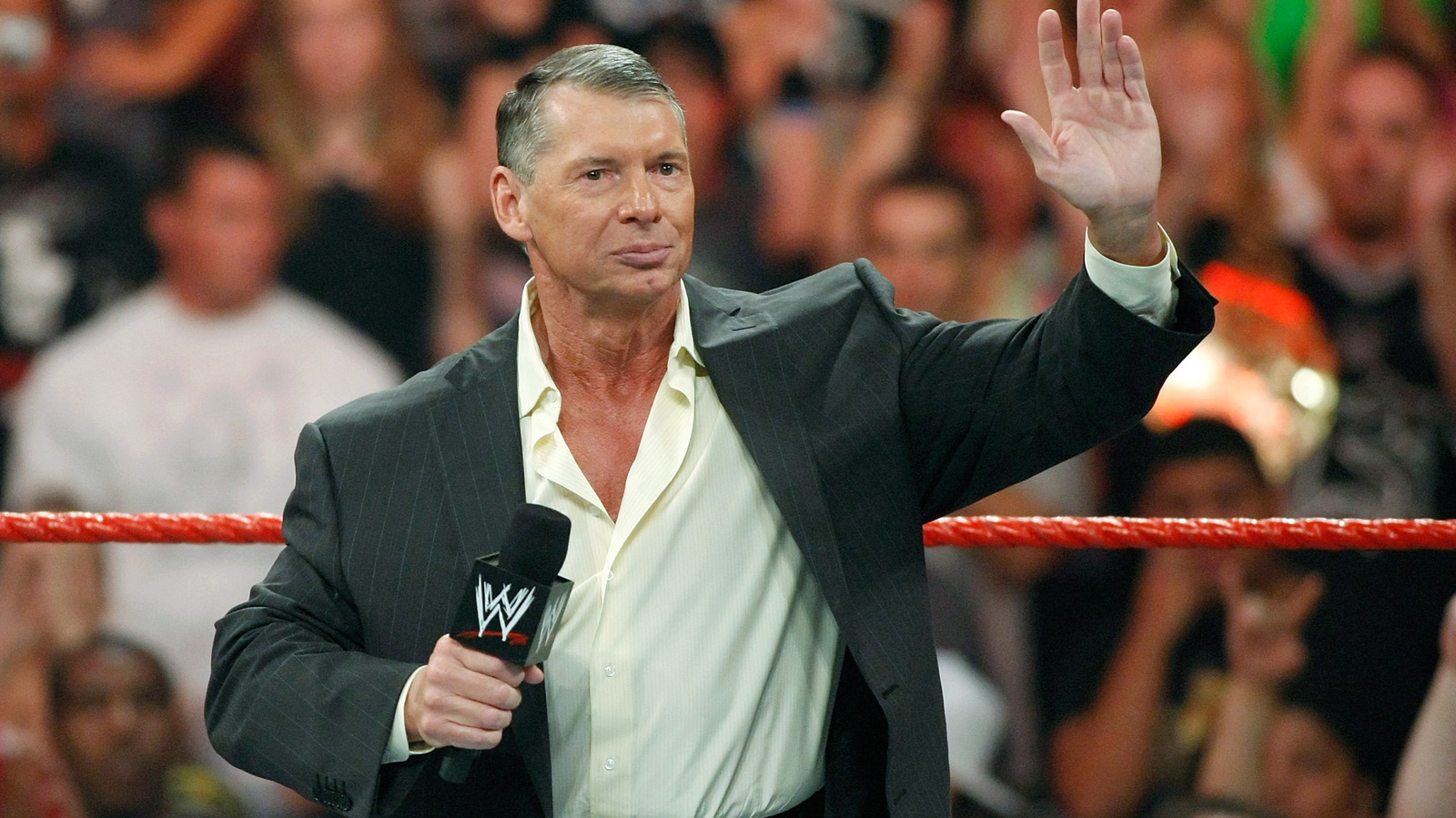
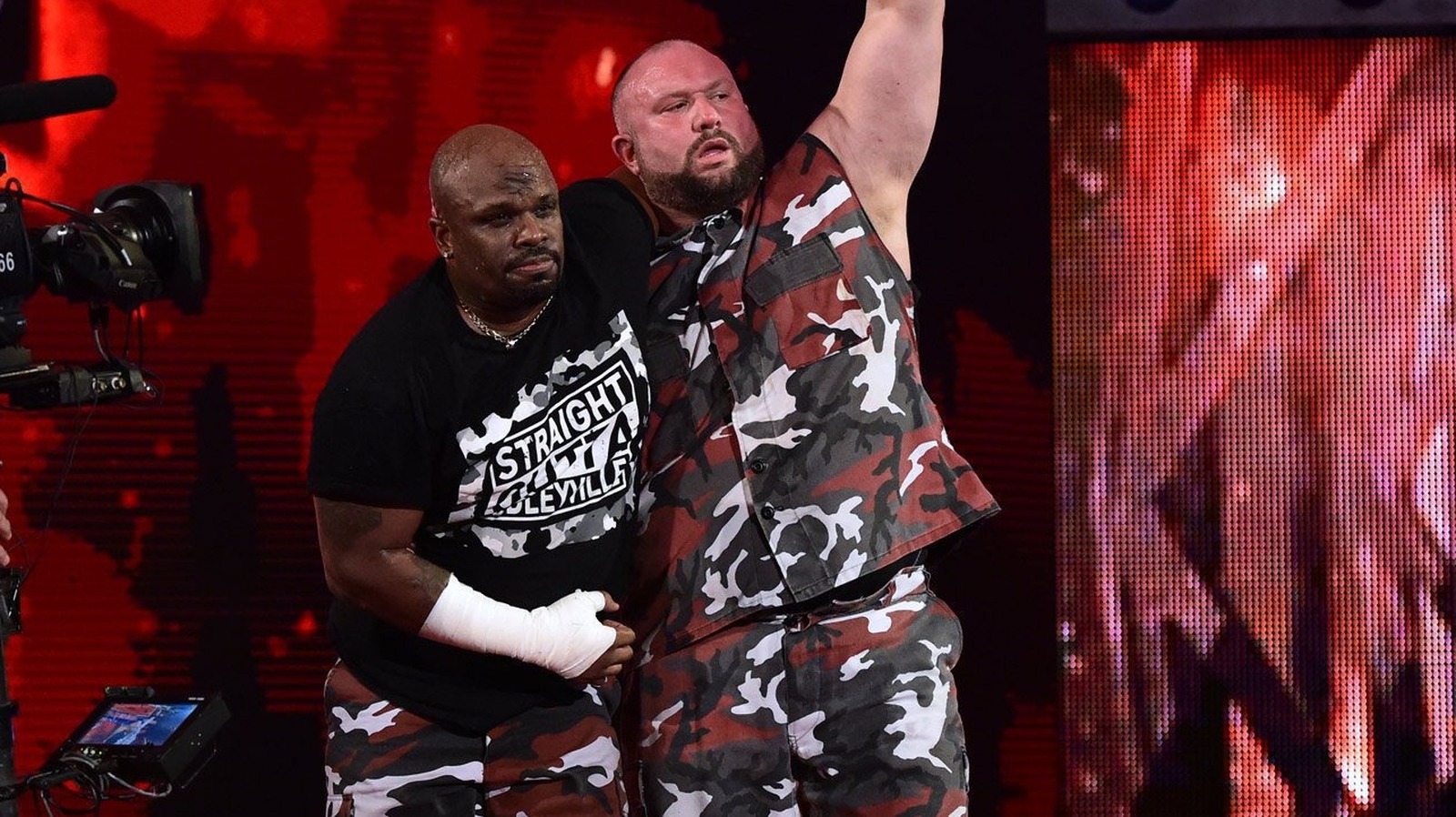
Consider the brutal history of the business. The unwritten rules that govern the boys in the back. Bully Ray recently opened up about one of the most terrifying moments of his lengthy career. He accidentally dropped Vince McMahon on his head during a live broadcast of Monday Night Raw.
This is not merely a funny anecdote about a sloppy maneuver. It is a terrifying window into the mechanical reality of the industry and the archaic justice system that once ruled it.
The Art of the Receipt
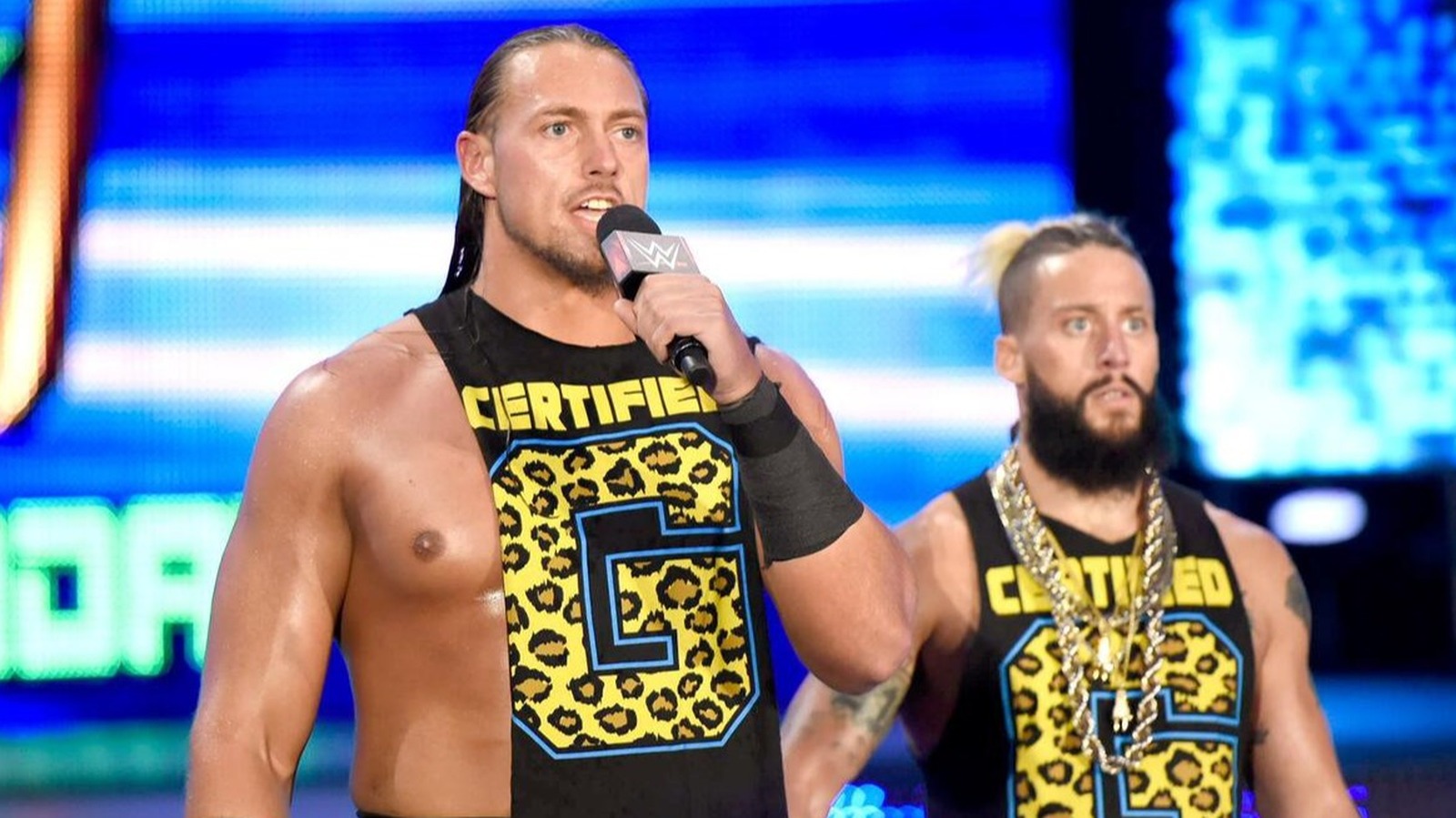
Bully Ray, then operating as the loudmouth brawler Bubba Ray Dudley, was a master of tag team chaos. The Dudley Boyz dragged the weapon-heavy violence of ECW directly into the corporate gloss of the Attitude Era. They were widely considered safe workers, but they hit incredibly hard. They understood the complex physics of lifting a man, rotating him in mid-air, and driving him through a wooden table without snapping his spine.
But lifting a trained professional is a completely different athletic endeavor than hoisting a television executive.
When you pick up a seasoned worker for a powerbomb or a suplex, they actively assist you. They post their hands on your thighs to gain essential leverage. They tuck their chin deeply to protect their brain stem from whiplash. They tighten their core muscles to create a rigid, controllable mass. They are a willing, active participant in their own destruction. It is a violent dance that requires absolute cooperation.
Vince McMahon was an egomaniac in a bespoke suit who decided he wanted to take bumps to pop the crowd.
Lifting someone who does not fundamentally understand how to bump is exactly like lifting dead weight. The center of gravity shifts unpredictably. The margin for error entirely evaporates. When Bubba Ray lost his grip during that fateful Raw segment, he didn't just drop an opponent. He dropped the erratic billionaire who signed his paychecks and controlled his destiny.
Imagine the sickening thud on the mat. The immediate, suffocating silence at the gorilla position behind the curtain. The referee subtly squeezing the hand to check for a coherent response. It is a unique professional terror. You realize instantly that you might have just paralyzed the most powerful man in the sports entertainment industry on live national television.
The walk back through the curtain after a mistake of that magnitude is a lonely, dreadful journey. The boys stare. Nobody offers a high-five or a word of encouragement. You are a dead man walking.
The Cost of Doing Business
But the corporate structure of WWE was wildly different back then. There was no HR meeting to discuss workplace safety. There was no mandatory retraining seminar at the Performance Center. There was only the receipt.
In the brutal lexicon of professional wrestling, a receipt is physical, immediate retribution. It is a stiff shot delivered intentionally during a match to remind you to protect your opponent. It is a potato. A heavy forearm that rattles the jawbone. A kick that leaves a deep, purple bruise on the inner thigh. It is the locker room policing itself.
Bully Ray knew exactly what was coming. The Raw broadcast ended, the adrenaline faded, and the deep anxiety began. SmackDown taped the very next night in those days. He had twenty-four agonizing hours to sit in a rental car and think about the beating he was scheduled to take.
He recently admitted he got his receipt during that SmackDown taping. He stepped into the ring knowing full well his opponent had been given the green light by management to lay it in.
This is the harsh tactical reality of that era. You take the stiff clothesline. You taste the copper tang of blood in your mouth. You don't complain to the road agent after the bell rings. You don't ask the trainer for ice. You take the punishment, the invisible ledger is balanced, and the locker room moves on without holding a grudge.
It was a barbaric, tribal system. It was also incredibly effective. Grudges rarely festered into real-life hatred because disputes were settled violently and immediately between the ropes.
The Modern Enforcer
Yet, reviewing this incident with modern eyes highlights a deeply flawed and toxic dynamic. McMahon’s stubborn insistence on putting himself in these highly dangerous spots was incredibly selfish. It placed the talent in an absolutely impossible situation. If the spot goes perfectly, McMahon gets the massive crowd reaction and praises his own bravery. If it goes wrong, the wrestler's livelihood is instantly jeopardized.
It was a gross abuse of power disguised as doing business for the territory. The boss desperately wanted to play wrestler, but refused to accept the inherent risks, outsourcing the physical punishment to the very workers he endangered.
The culture has completely shifted as we approach the modern iteration of the flagship event. If a contracted talent drops a top star like Cody Rhodes on his head 21 days before WrestleMania 41, they do not get punched in the face on Friday Night SmackDown. The enforcers like the Undertaker or the APA are gone.
The modern receipt is entirely bureaucratic. You get pulled into a sterile office in Stamford. You get heavily fined. Your television time quietly vanishes without explanation. You find yourself staring at the lights on Main Event for six months until your contract expires and you are wished well in your future endeavors.
Corporate WWE prefers quiet paper trails to broken teeth and black eyes. From a liability standpoint, this is the only logical approach for a publicly traded, multi-billion dollar juggernaut operating under the Endeavor umbrella.
Survival at Allegiant Stadium
But the pressure to perform flawlessly remains identical. Look at the complex match layouts currently being finalized for Allegiant Stadium in Las Vegas. The sheer speed of the modern in-ring style is terrifying. The athletic sequences require millimeter precision and perfect timing. There is absolute zero room for hesitation.
Every talent stepping through the ropes next month knows the stakes. A blown tire late in a match, a slippery boot on the top turnbuckle, a slightly miscalculated springboard—it can ruin an entire year of careful television booking and derail a main event push.
We will undoubtedly see incredible athleticism in Nevada. We will see men and women push their physical limits to steal the show and create lasting moments.
But watch the intricate footwork. Watch the frantic eye contact before a high-risk dive to the floor. Watch the subtle, desperate communication between holds when a sequence goes slightly off the rails.
Because when the adrenaline spikes dangerously high in front of 70,000 screaming fans, the carefully rehearsed plan always breaks down. The mat is still hard. The ropes are still unforgiving. Gravity still wins.
Prediction: We will see at least one major audible called on Night 1 of WrestleMania 41 due to a severe miscalculation in the ring. The seasoned veterans will know exactly how to seamlessly cover it up, transition to a rest hold, and recalibrate the match flow. The inexperienced workers will freeze under the stadium lights, exposing the illusion. The punishment for the failure won't be a stiff forearm backstage, but a quiet, devastating demotion the following Monday. The brutal game remains exactly the same; only the rules of engagement have changed.