The road to Saudi Arabia is looking turbulent
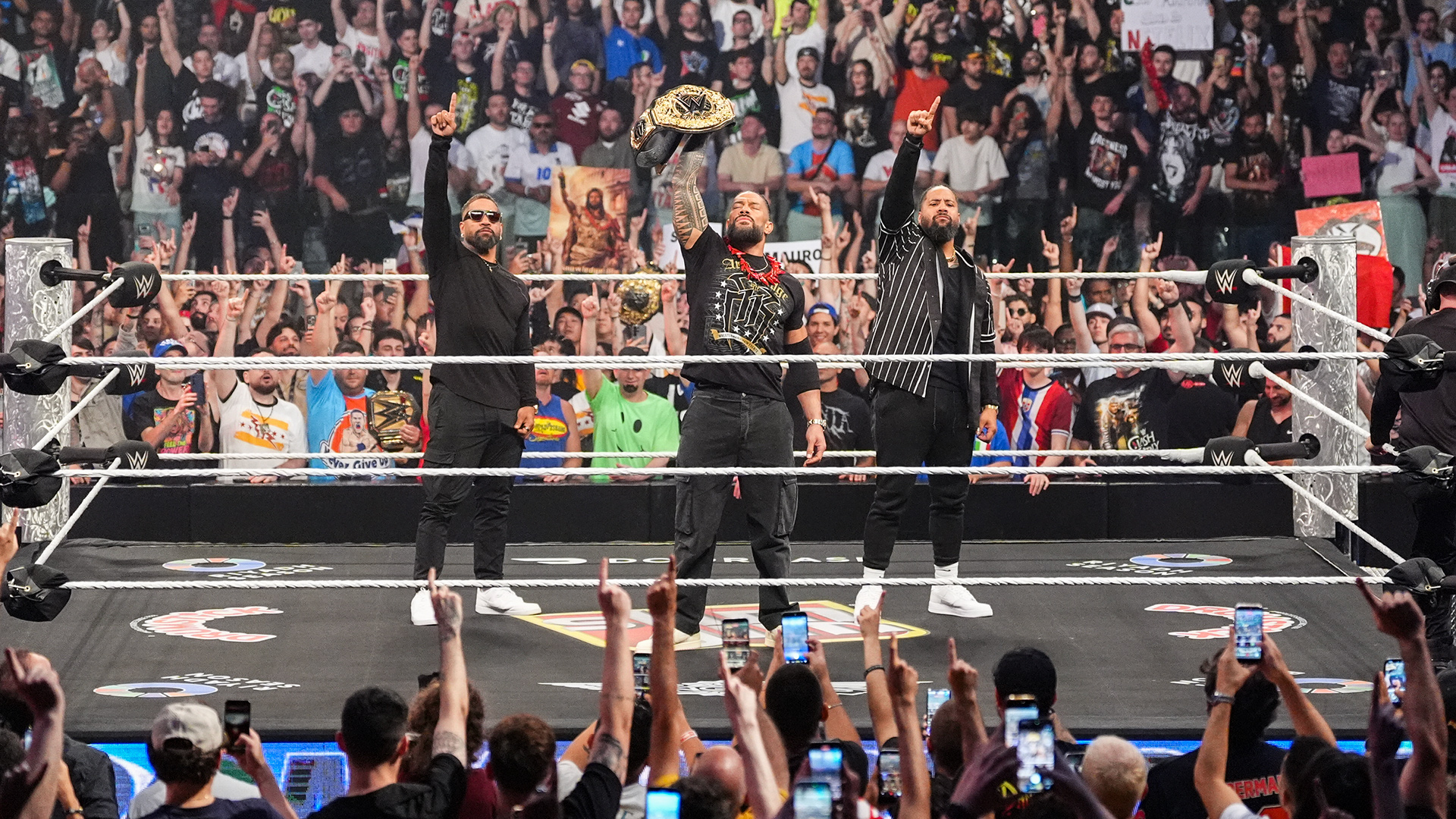
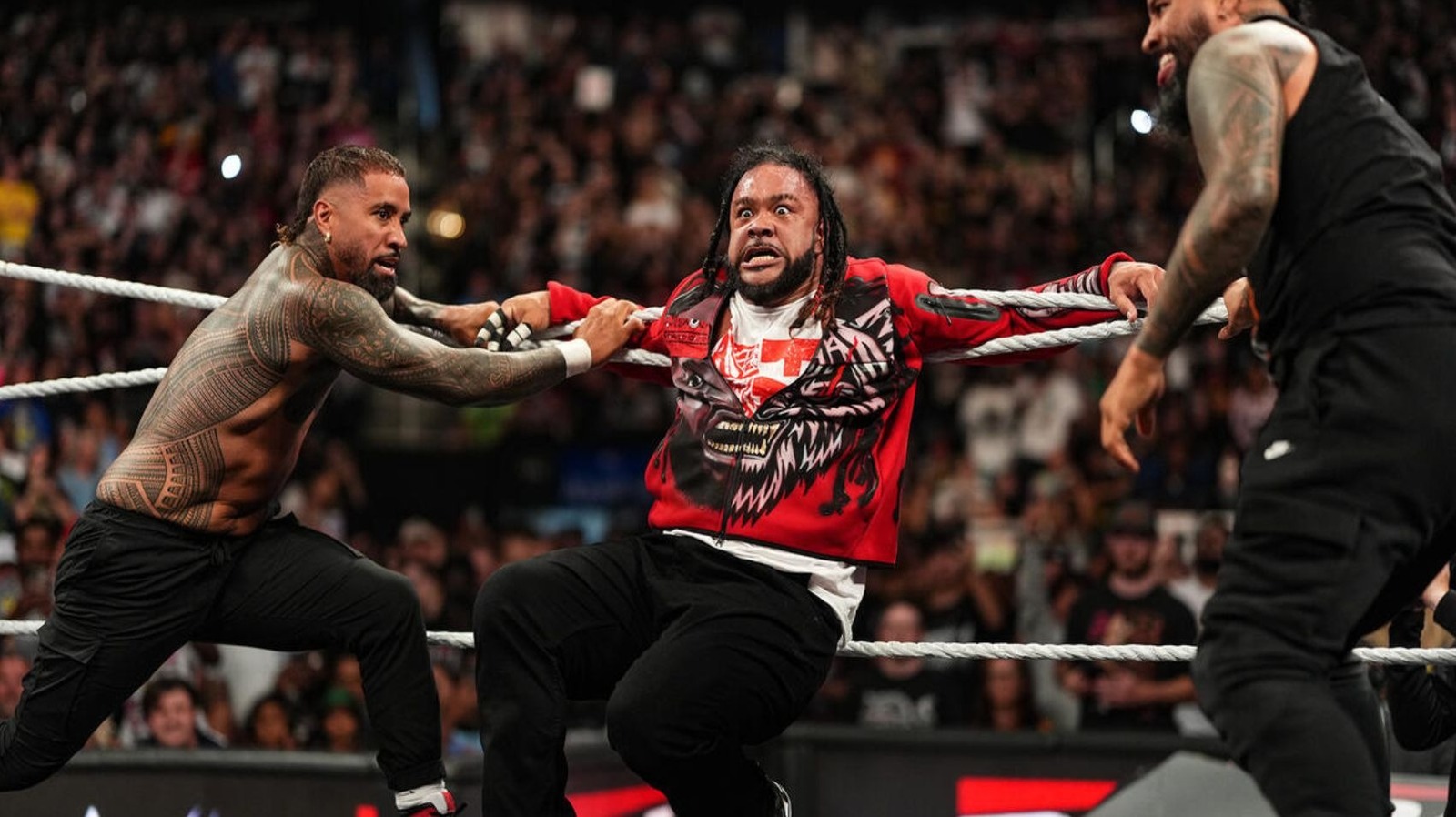
WWE descends on Riyadh for Night of Champions on June 27, 2026, but the momentum isn't as clean as the company would prefer. Coming off a minor viewership dip on the June 12 edition of USA Network's SmackDown, management is under the gun to deliver a spectacle that justifies the international investment.
Reports suggest internal concern regarding the recent plateau in weekly numbers. While wrestling cycles often shift, the reliance on high-profile premium live events to paper over weekly fatigue is a move that has been played before. If WrestleTalk's recent analysis holds water, they need at least two major shock moments to keep the Saudi audience—and the Peacock subscribers back home—hooked.
The broader ratings war shifts
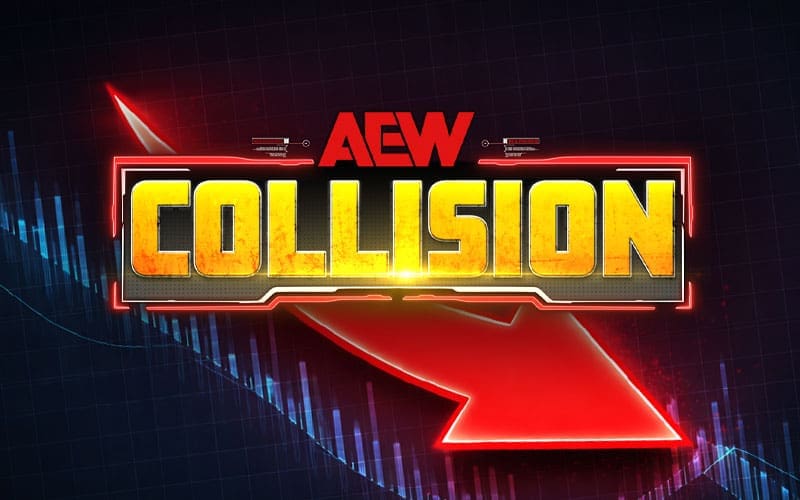
It is not just WWE feeling the heat. AEW Collision hit a wall on June 13, 2026, suffering a massive drop on Netflix. This is a troubling data point for the industry, as both major promotions are seeing their weekly hooks lose their grip. When the flagship shows dip, the pressure on the quarterly major shows like Night of Champions to act as a pivot point becomes immense.
The current lineup, which PWInsider has been tracking, feels like a mix of necessary title defenses and legacy matchups. There is a danger here of booking by numbers. If the card leans too heavily on established stars without meaningful stakes, the audience will continue to tune out during the build-up.
MLW and NJPW attempt a new distribution model
While the big two scramble to hold their audience, movement is happening elsewhere. Major League Wrestling is taking a swing at global visibility by jumping to NJPW World starting June 22. This move marks a strategic shift for MLW Fusion to reach a more dedicated, international fan base.
By airing at 11 PM ET on Mondays, they are aiming for the hardcore crowd that is already accustomed to the Japanese streaming schedule. It is a smart pivot, though it remains a niche play compared to the brute force of WWE and AEW. Whether this cross-pollination generates actual revenue or just goodwill remains the big question.
Risks on the horizon
The biggest critique of the current promotional cycle—particularly regarding WWE—is the reliance on static booking patterns. Saudi events are lucrative, but they often feel like standalone bubbles that don’t move the needle on the weekly television story arcs. If they don't integrate the results of the 5 title matches usually featured there into the following week's USA Network broadcast, the show essentially becomes a 3-hour non-canon exhibition.
Management must bridge the gap between their international deals and their domestic weekly narratives. Relying on Riyadh to carry the brand is a temporary patch. The recent June ratings suggest the audience is tired of the status quo.
Looking ahead to the upcoming weekend, the focus shifts briefly to the cage. The UFC Fight Night on June 20th enters a crowded space. With combat sports viewership thinning globally, these promotions are effectively stepping on each other's toes for a finite pool of attention.
Execution in Riyadh will be the deciding factor for WWE's Q3 outlook. If the booking is stale, expect the post-event ratings drop to be even steeper than the one we saw on June 12. WWE has the production budget to make it look like a global takeover, but they need quality matches to make it matter.
Read Next