The end of the McMahon era has zero grace
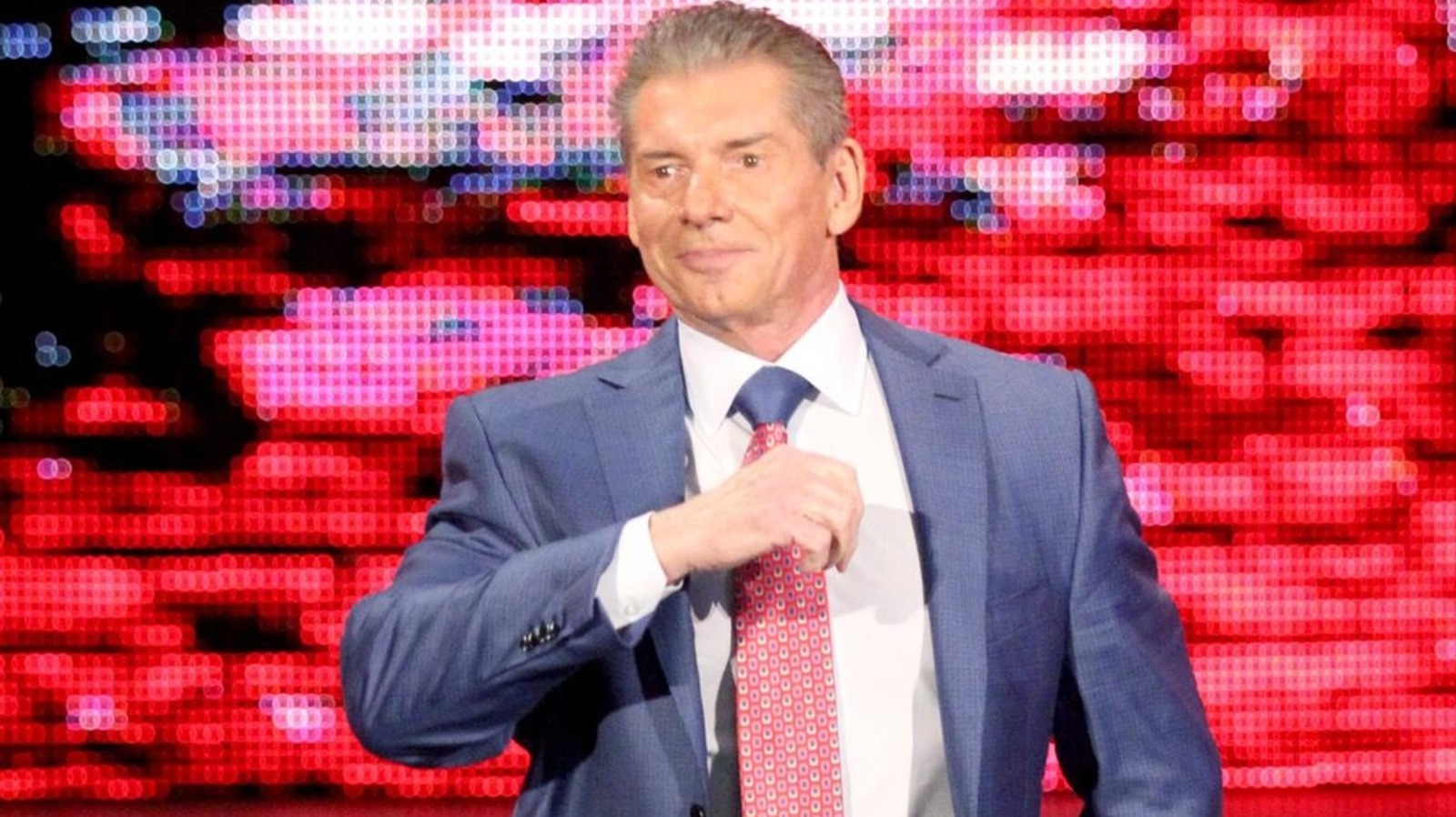
If you have been watching the wrestling business for as long as I have, you have seen Vince McMahon survive every disaster imaginable. He survived the nineties, the steroid trials, and the Monday Night Wars. But the current legal shadow looming over him is a different animal entirely.
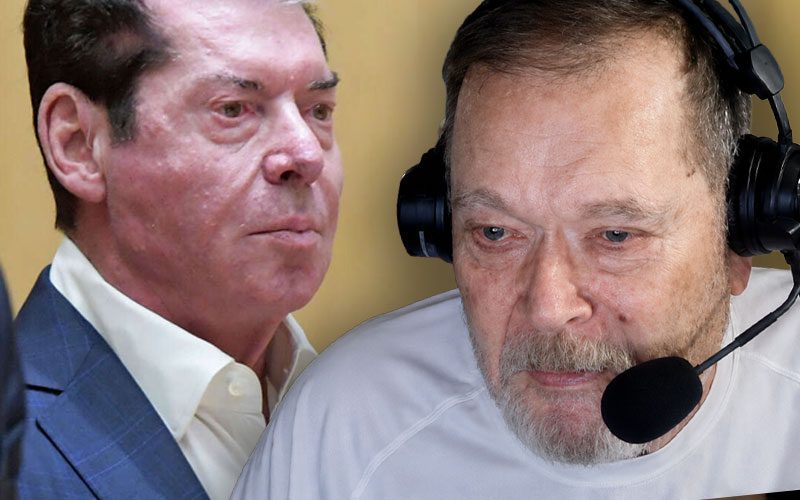
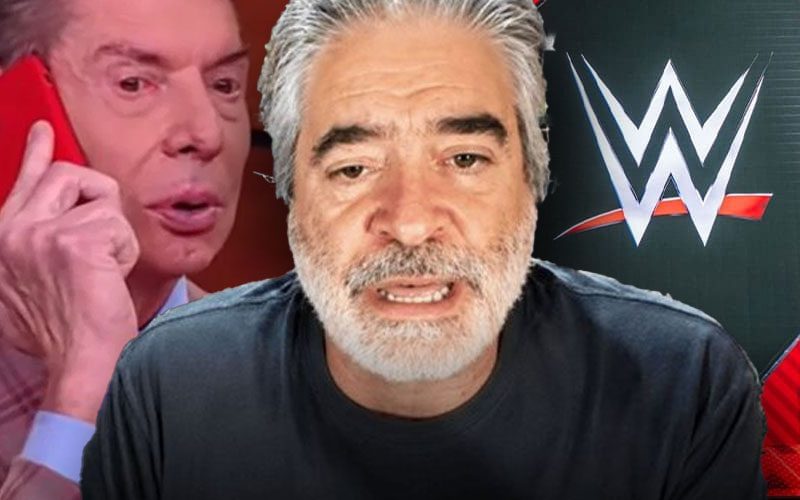
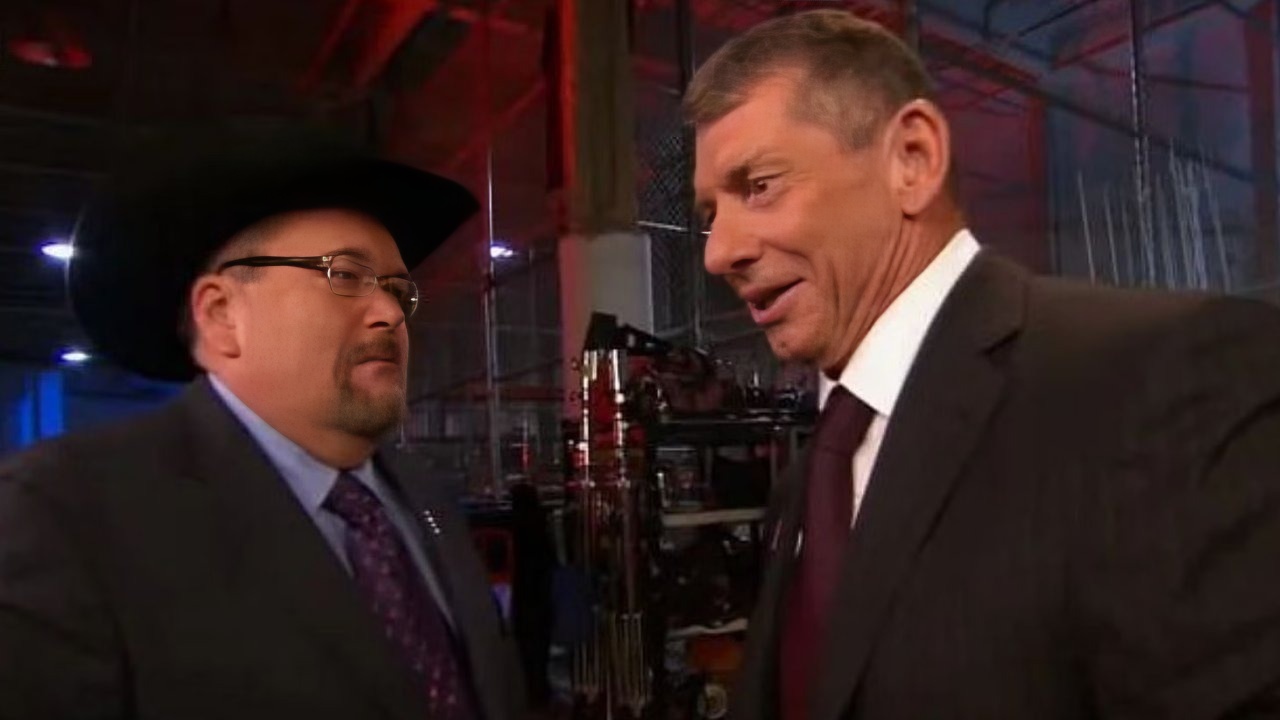
Jim Ross, a man who has cleaned up after Vince for decades, hit the nail on the head recently. When discussing the shareholder lawsuit against the former chairman, Ross described the situation as having a noose around his neck. It is not just the lawyers spinning their wheels anymore. It is the cold, hard reality of corporate governance finally catching up to a man who treated it like an optional suggestion for forty years.
The timeline of the collapse
This isn't about one singular bad creative decision or a botched finish in a title match. This is a massive, multi-faceted failure of corporate oversight. According to reports regarding the WWE shareholder lawsuit, the plaintiffs are targeting the way the power structure was maintained despite the allegations against him.
Vince spent years operating like a warlord in an era that demands accountability. The lawsuit claims he used company funds to suppress stories and keep his circle tight. It is the corporate equivalent of a heel getting caught using a foreign object in the middle of a referee bump—except here, the referee is the entire financial market.
Why this matters for your weekend viewing
Listen, we all want to focus on the ring work. We want to analyze the latest high-flying spots or the booking shifts on Raw. But if you ignore the boardroom, you are missing half the show. These lawsuits hit the bottom line, which dictates the production budget and the long-term direction of the company.
My gripe with this situation is how long the board allowed this chaos to exist beneath the surface. For years, we saw the presentation of a polished, publically traded entity while the executive suite resembled a frat house in 1985. It is exhausting to look at the stats nowadays and realize how many resources are being drained into legal fees instead of securing better talent contracts.
The reality check
Vince is no longer the guy calling the shots at Gorilla Position. His influence is reportedly radioactive to a company now trying to integrate into a massive conglomerate. Every time a new filing drops, the company distances itself further. It is a slow-motion burial.
The fans keep asking if he will make a surprise return to the screen. To that, I say: look at the numbers. The company closed a merger that essentially locked the door behind them. There is no spot for a return, only a legacy currently being dismantled by Discovery and external auditors. The era of the iron-fisted promoter is dead, and frankly, the product feels lighter without the constant threat of a pivot based on one man's mood swings.
We can enjoy the current booking rhythm and the influx of talent without worrying about what happens if the old man wakes up feeling grumpy and decides to rewrite the script three hours before airtime. That is the positive outcome of this whole ugly mess. The product has oxygen again.
Watching this all unfold is like seeing a veteran wrestler try to pull off one last bump when their back is clearly gone. It is sad, it is sloppy, and it is entirely avoidable. But for the health of the industry, this process of clearing out the rot had to happen. The shareholders are finally doing what the booking committee couldn't do for a decade: they are finally putting the legend in the rearview mirror.