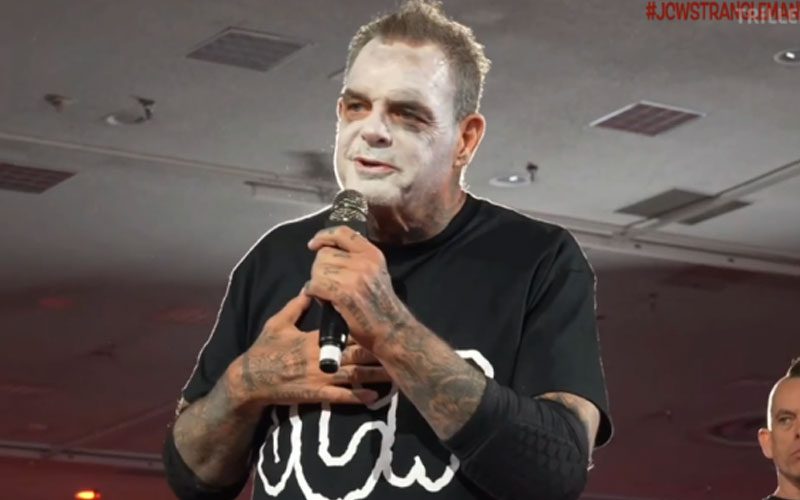
The end of an era in hardcore wrestling
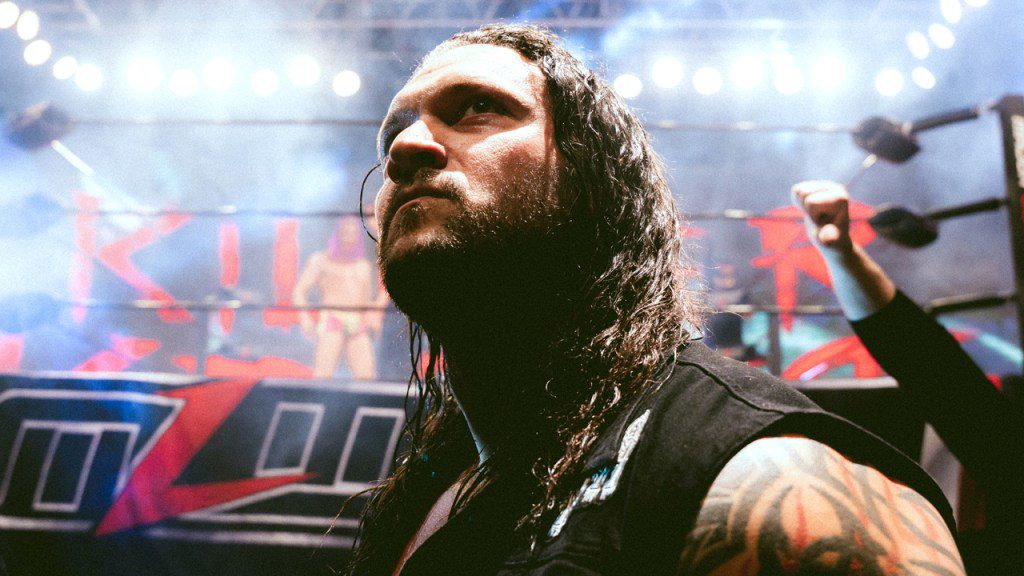
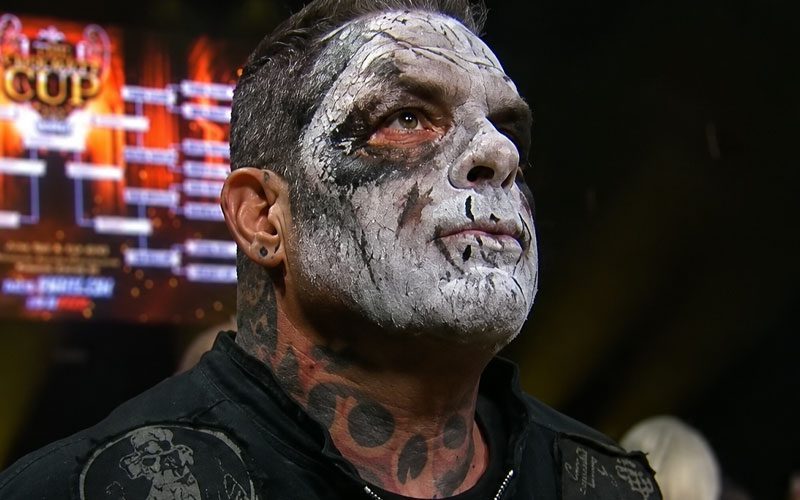
Vampiro has officially retired from professional wrestling. The veteran star secured one final victory at JCW StrangleMania, marking the conclusion of an unpredictable career that spanned three decades. He leaves the ring after a run defined by its physical toll and an refusal to adhere to traditional athletic norms.
As reported by Ringside News, the victory came during the busy WrestleMania 41 weekend in Las Vegas. While many stars use this window for high-profile WWE pay-per-view slots, Vampiro opted for the chaotic environment of JCW to close his chapter.
Physical realities and historical precedent
This retirement arrives after years of visible wear and tear. Vampiro has been public regarding his health, specifically citing chronic pain and neurological symptoms derived from thousands of bumps taken since the mid-1990s. He performed in an era where concussions were rarely treated with modern precaution.
His career trajectory mirrored the shift from the death-match aesthetics of the 90s to the more polished, risk-averse style of today. He survived bouts that would end current careers in weeks, yet the long-term cost remains clear. This exit serves as a reminder of the industry-wide struggle to transition older talent into life after the squared circle.
Strategic implications for independent promotions
Vampiro’s absence leaves a hole in the hardcore circuit, but it also highlights a shift in promoter priorities. Companies like JCW often rely on the name value of retired legends to anchor cards. Without these veterans, promotions must pivot toward younger rosters or risk losing the niche audience that follows legacy acts.
There is an inherent instability in relying on performers well past their traditional prime. While fans flock to see a familiar face, the risk of injury during a retirement match is statistically higher than in any other setting. The promoter who books a final match is gambling on the performer’s ability to remain upright without further compromising their future quality of life.
The WrestleMania weekend noise
It is worth noting that this retirement was overshadowed by the sheer volume of activity in Las Vegas. With WrestleMania 41 in full swing, other celebrity appearances, such as the widely discussed Danielle Fishel appearance, commanded more mainstream attention.
The contrast is jarring. One man finishes a grueling thirty-year journey in a sweaty independent venue, while pop-culture figures drive social media engagement in massive arenas. It’s a cynical reality of the modern business: longevity is honored by the die-hards, while brand awareness drives the bottom line.
Lessons from the archives
The history of wrestler retirements is littered with false starts and poorly timed comebacks. Matt Striker, who recently discussed the early days of NXT, remains a prime example of the transient nature of wrestling roles, as noted by Wrestling Inc. Performers rarely walk away when their bodies are at full capacity.
Vampiro stands apart by choosing a definitive end date. Many of his peers have chased one last payout until they were forced out by surgical reality. He successfully navigated the difficult task of controlling his own exit, a luxury most industry veterans do not enjoy.
Assessing the risk
The failure of the industry to standardize post-retirement medical support remains the most critical flaw in the current system. While top-tier organizations improve their wellness protocols, talent in the independent sector often lacks a safety net.
Vampiro’s exit is clean, but it leaves behind a question about who is responsible for the health of performers once the lights go down. We have seen 41 years of spectacle culminate in a weekend where business meets biology, and the cost is often buried in the fine print of a booking sheet.
His retirement total count of matches wrestled likely exceeds 2,500 bouts throughout his international tenure. That is the true weight of his legacy. He isn't just checking into an injury report; he is leaving the industry ahead of a total physical collapse.