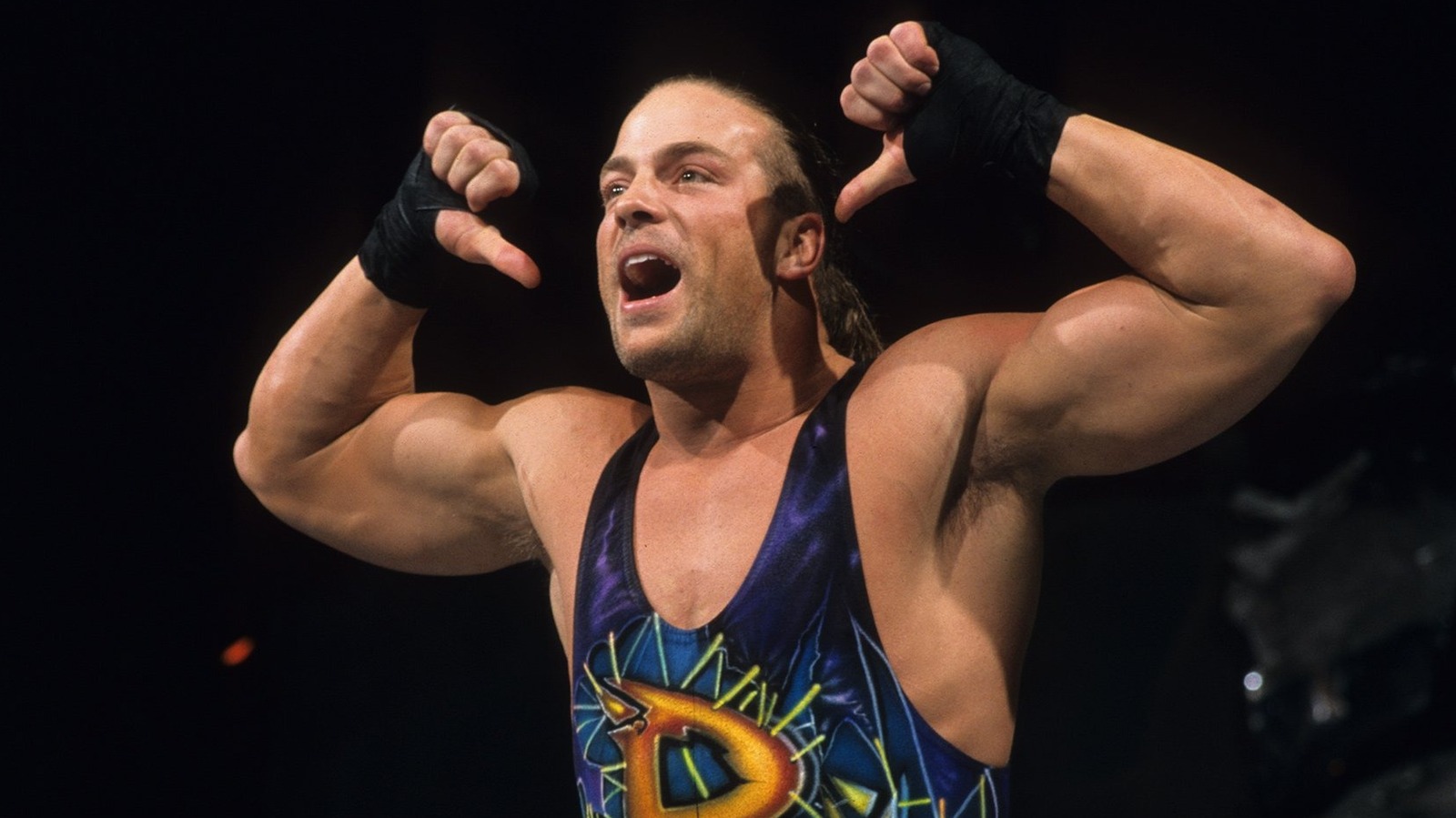
The physical toll of the high-flying style
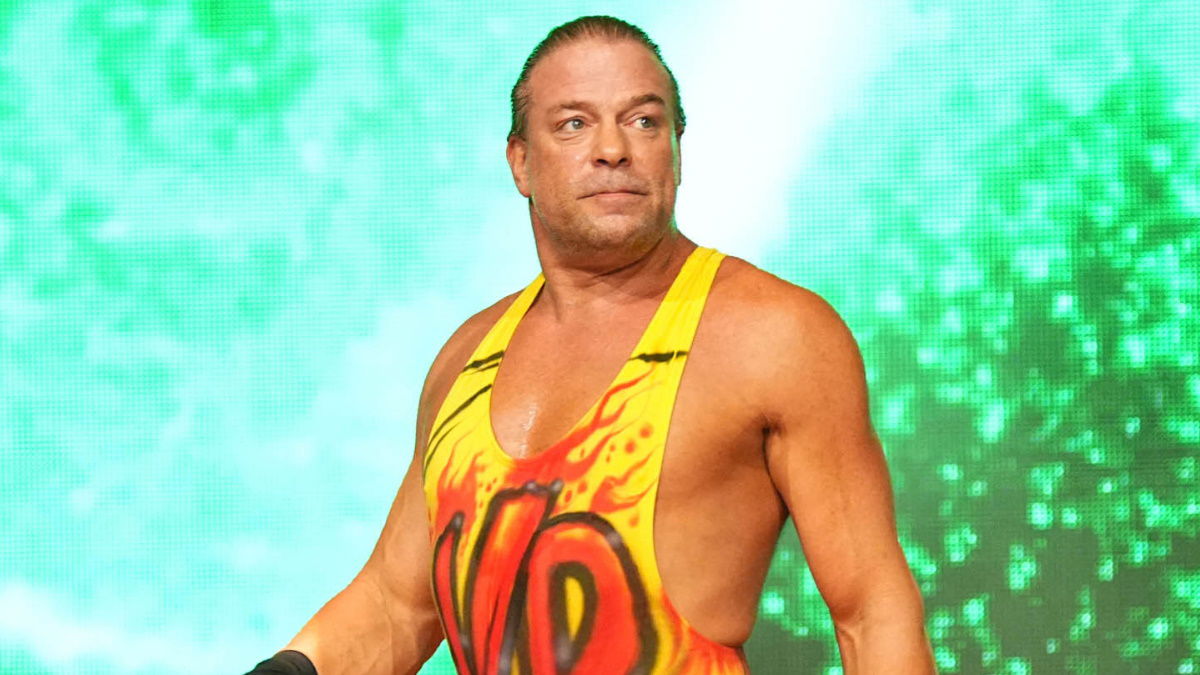
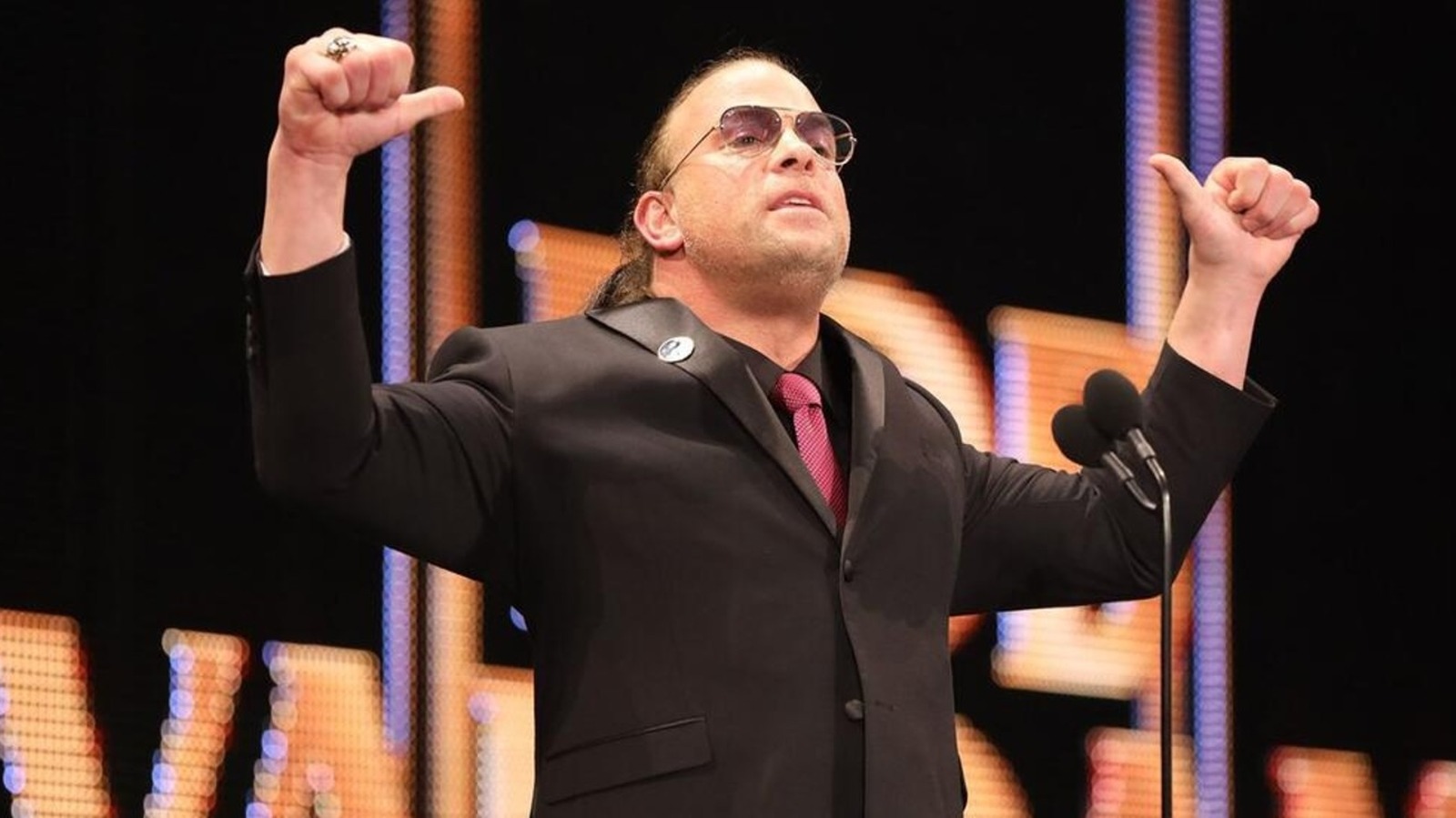
Rob Van Dam, a name synonymous with the extreme era of professional wrestling, is currently managing lingering physical setbacks. After decades of landing high-risk maneuvers like the Five-Star Frog Splash, the WWE Hall of Famer is being forced to adjust his participation in upcoming independent bookings. Known for his unorthodox training and durability, the toll on his knees and lower back has finally reached a threshold requiring downtime.
Medical evaluations suggest the wear and tear is consistent with long-term exposure to stiff ring surfaces. Having spent years absorbing impact without the benefit of the modernized, memory-foam ring mats now standard in major promotions, RVD is dealing with classic joint inflammation. The recovery roadmap entails physical therapy rather than surgical intervention at this juncture. This keeps his timeline flexible but essentially sidelines him from high-physicality spots for at least one month.
Historical context of RVD’s durability
Historically, RVD has managed his health with a disciplined approach that baffled many of his peers. Throughout his run with WWE and ECW, he missed remarkably little time despite an offense built on chair-assisted moonsaults and spinning heel kicks. He notably partnered with legends like Rey Mysterio to capture tag team gold, a tenure Rob Van Dam recently confirmed as his personal favorite championship experience. That era defined him as a workhorse, but it also masked the cumulative damage now surfacing.
This situation mirrors other veteran departures from the full-time circuit. When legends push their frames past the 50-year mark, the recovery window inevitably expands. Unlike younger talent who might return from a meniscus tear in six to eight weeks, RVD faces a more conservative timeline. Rushing back would likely lead to chronic instability, a gamble the veteran is wise to avoid given his current status as a part-time attraction.
Strategic impact on the independent circuit
The absence of a veteran like RVD creates a void for promoters relying on his name value to anchor cards. With WrestleMania 41 looming on April 19, the demand for high-profile legends is at its peak. Promoters in the space are scrambling to fill these slots, indicating a failure in succession planning. Relying on talent from the 1990s and 2000s to carry events is a questionable booking decision that leaves promoters vulnerable to exactly these types of injury-related cancellations.
Competitors looking to fill the void must now demonstrate that they can draw without relying on ECW-era nostalgia. The industry remains tethered to these older names, yet the data shows that older bodies simply cannot sustain the pace. It is a harsh reality check for companies building their business model around the past. A more viable approach would be investing in mid-card talent to build momentum, yet the pressure to sell out venues keeps the cycle of aging veterans spinning.
Analyzing the recovery timeline
Sources inside the recovery circle indicate the goal is to have RVD ready for summer appearances. He is targeting a return to the ring by mid-June, potentially coinciding with the kickoff of the FIFA World Cup season. This provides ample time to rehabilitate the affected areas without the pressure of a weekly televised schedule. He is avoiding the mistake of pushing for a return at Backlash on May 9, which would have been a premature comeback.
There is a notable concern regarding his mobility if he returns to his signature high-flying style too quickly. Fans expect the Van Dam of 2006, but the transition to a more grounded, psychology-heavy approach is necessary for his longevity. Should he force the issue upon his return, the risk of a season-ending injury increases exponentially. The discipline he shows in the next 45 days will determine whether he continues as a semi-regular performer or if he takes a permanent step back from the ring.
Ultimately, the industry must reckon with the fact that these athletes are not invincible. Every highlight reel move contributes to a future cost. While RVD remains a legend for his contributions to the tag team division and individual success, the physical reality is catching up. The promoter-talent relationship is shifting, and the expectation of instant, pain-free performance is officially becoming a thing of the past.