Travel chaos dictates the booking sheet
Professional wrestling thrives on the unexpected, but usually, that involves high-risk spots or a character turn. Rarely does the entire card depend on a meteorologist’s report. When bad weather hit the recent MaskedMania event, organizers found themselves scrambling to fill gaps in a disrupted schedule.
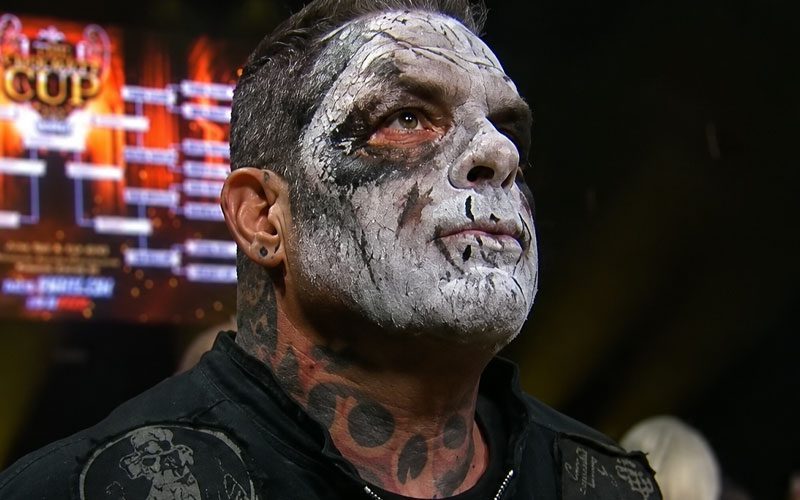
This led to the unlikeliest of outcomes: Vampiro, who had previously announced his retirement, returning to action on short notice. While fans might appreciate the nostalgia of seeing a legend step between the ropes, the reality of the situation is grim. Relying on retired talent to save a show because of logistical failures is a symptom of poor planning.
The physical cost of short-notice bookings
Vampiro has been open about his health struggles throughout his career. Managing his output to prioritize longevity was the smart move, yet here he is, forced back into a competitive environment by a travel disaster. It asks a dangerous question about how much we value the health of veteran performers versus the need to satisfy a live gate.
The match itself lacked the tactical cohesion of a standard television production. Without a proper training camp or an established rhythm with his opponent, the sequences felt disjointed. According to recent reports on the event, the scramble to secure bodies for the ring forced officials to overlook the standard safety briefings usually afforded to active roster members.
Beyond the logistics, this move highlights a lack of depth in the current independent scene. If a show's viability hinges on a legend answering a last-minute distress call, the undercard is fundamentally broken. There should be enough mid-card talent ready to move up the food chain without reverting to talent who had officially concluded their in-ring careers.
Predicting the impact on future cards
We need to stop praising these scenarios as heroic rescue missions. A promotion that cannot account for transit delays isn't unlucky; it is ill-prepared. Every time a retired wrestler steps back in to cover for administrative incompetence, it cheapens their exit and risks an unnecessary injury.
The industry needs to adopt a more rigorous approach to booking alternatives. If the main talent cannot reach the venue, the show should be reconstructed with existing bodies already on site. Using retired talent to fill a 30-minute slot is not a solution, it is a liability. It creates a dependence on names from the past rather than investing in the current cohort of performers.
My prediction for the remainder of this fiscal year is that we will see more of these 'emergency' returns. Promoters now view it as a viable contingency strategy rather than a humiliating last resort. It is a cynical loop that prioritizes the bottom line over the legacy of the wrestlers involved. If MaskedMania wants to return to legitimacy, they need to fix their logistics before the next storm hits, because eventually, a retired legend won't be there to bail them out.