The Japanese Touring Grind
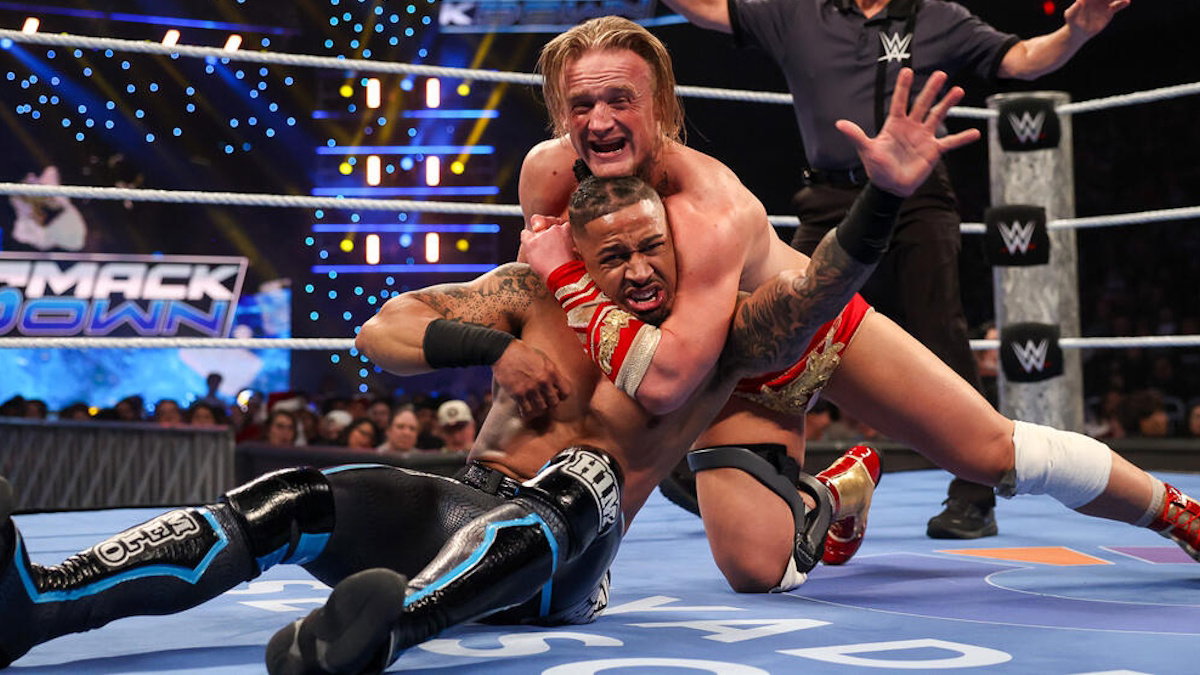
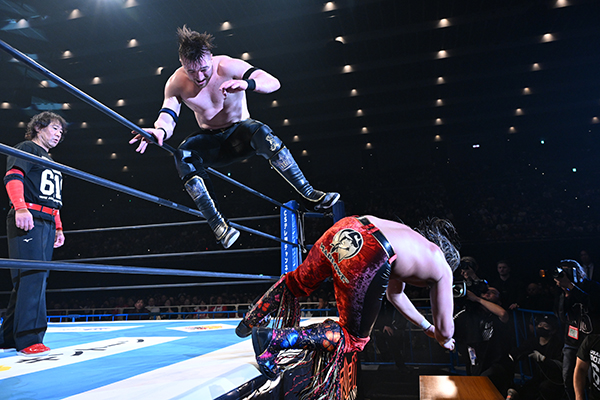
The Japanese pro wrestling touring schedule remains the most medically taxing format in the modern industry. It forces rosters into consecutive nights of high-impact bumps that completely ignore human recovery windows.
Stardom’s Golden Week Tour kicked off on April 29 inside the Fukuyama Industrial Exchange Center. As reported in the event results, Maika put Tabata away with a Michinoku Driver at the 6:51 mark.
Taking a sit-out driver is an act of managed trauma. The kinetic energy travels from the tailbone directly up the spinal column, terminating at the cervical vertebrae, specifically targeting the vulnerable C4 and C5 region. In a vacuum, a trained athlete absorbs this by tucking the chin and bracing the trapezius muscles.
But Stardom runs a relentless schedule. Muscle glycogen is chronically depleted by day three of these tours. When the neck muscles fatigue, the joints take the impact.
Furthermore, the travel logistics exacerbate the trauma. Sitting on a bus or train between shows causes the inflamed synovial fluid in the knees and lower back to pool and stiffen. Japanese wrestling history is littered with catastrophic neck injuries born entirely from repetitive, high-angle bumps combined with inadequate recovery time.
The next night on April 30, NJPW hit Kumamoto for night six of the Road to Wrestling Dontaku tour. We saw Robbie X finish Taishi Nakahara with an Impaling Leg Lariat in just 4:45.
Nakahara took the brunt of Robbie X’s tibia directly to the facial structure. The human orbital bone is shockingly fragile. It requires less than eight pounds of pressure to fracture if struck at the correct angle.
In the same building, the Knockout Brothers (Yuto Ice and Oskar) took a non-title tag match. Tag matches are often used to hide injured workers during these tours. It allows them to stand on the apron while their bodies desperately try to heal micro-tears in their rotator cuffs.
JDM's Arm and the Perth Weight Cuts
UFC Fight Night 275 in Perth brings its own set of medical red flags. The main event features Jack Della Maddalena taking on Carlos Prates. Anyone watching this fight needs to be staring closely at Della Maddalena’s left forearm.
Historical context is everything here. Following his recent win over Gilbert Burns, Della Maddalena required surgery for a completely shattered left forearm. That surgery resulted in a severe staph infection, which forced a second procedure to clean out the necrotic tissue.
Bone infections are notoriously difficult to fully eradicate because the bacteria can hide deep within the bone marrow, away from circulating antibiotics. They weaken the bone density at the site of the break.
Prates is a violent, heavy-kicking striker. If Prates targets that left arm with high kicks and forces Della Maddalena to block, the structural integrity of that surgically repaired radius will be tested immediately.
We also saw one unnamed fighter miss weight on the Perth scales. The broadcast kicked off at 4 AM ET, which translates to a late afternoon local start in Western Australia. The time zone isn't the primary danger.
The real danger is the massive dehydration required to hit the welterweight limit. When a fighter misses weight, it means their kidneys have shut down the sweating process. The body is in biological rebellion.
Whoever missed weight on this card is stepping into a cage with a dehydrated brain sac. When a dehydrated fighter takes a hook to the jaw, the brain physically bounces against the inside of the skull. This contrecoup injury is magnified tenfold when the protective fluid is drained. Cerebrospinal fluid needs 48 hours to fully replenish after a drastic water cut. They only get 24. It is a recipe for a brutal knockout.
Khamzat Chimaev's Zuffa Boxing Delusion
Elsewhere in the MMA sphere, a current UFC champion is reportedly lobbying for a crossover fight. Khamzat Chimaev wants a 12-round Zuffa Boxing match against Conor McGregor.
From a promotional standpoint, it prints money. From a medical standpoint, it is pure fiction.
Chimaev’s medical chart reads like a textbook on immunological collapse. He has suffered severe, lingering respiratory issues dating back to a brutal bout with COVID-19. He was previously forced out of a scheduled fight against Robert Whittaker due to a violent, undiagnosed illness that required hospitalization.
At UFC 279, doctors actively stopped him from cutting weight due to severe cramping and heart rate irregularities. His body routinely breaks down under the localized stress of an eight-week MMA camp.
Boxing demands a totally different metabolic output. A 12-round boxing match requires 36 minutes of sustained cardiovascular endurance, relying almost entirely on the shoulders, core, and legs.
The lactic acid threshold required for a boxing camp is fundamentally different than the burst-and-recover rhythm of grappling. Overtraining syndrome is not just a buzzword; it is a physiological crisis. Prolonged aerobic stress spikes cortisol levels, which in turn violently suppresses the production of white blood cells.
This leaves the athlete wide open to opportunistic respiratory infections. If Chimaev's immune system craters during a standard three-round MMA camp, a 12-round boxing camp would almost certainly trigger an overtraining syndrome cascade. McGregor is dealing with his own biomechanical nightmare after snapping his tibia and fibula. But Chimaev even making the walk for a 12-round fight seems medically improbable.
Pediatric Trauma and the Rousey Lineage
Looking at the long-term horizon of combat sports, UFC Hall of Famer Ronda Rousey confirmed her eldest daughter wants to fight. Second-generation fighters are a fascinating case study for pediatric sports medicine.
Athletes who start grappling before puberty often develop superior spatial awareness and proprioception. However, the physical cost is immense. Children have epiphyseal plates, commonly known as growth plates, at the ends of their long bones.
The shear force generated by judo throws and submission grappling can cause micro-fractures in these plates. This trauma can lead to irreversible complications in bone lengthening and joint stability.
Rousey’s own athletic career was defined by her Olympic judo background. Elite judo notoriously destroys the articular cartilage in the knees and the connective tissue in the fingers long before an athlete turns twenty.
Rousey required multiple knee surgeries before she ever strapped on four-ounce MMA gloves. If her daughter follows the judo-to-MMA pipeline, the medical monitoring needs to be aggressive.
Cartilage does not inherit legacy. The micro-tears in the anterior cruciate ligament begin accumulating the moment a child starts practicing heavy hip tosses on a regular basis. We are seeing a generation of young grapplers suffering from early-onset osteoarthritis because parents push them into high-impact training before their growth plates have fully fused.
From the local arenas of Hiroshima to the octagon in Perth, the fighting industry demands a pound of flesh. The medical bill always comes due. And the fighters are the ones paying it.