The combat sports news cycle never actually sleeps. It just takes brief, uneasy naps.
We are barely digesting the fallout from WrestleMania 41 in Las Vegas, where the entire foundation of WWE shifted overnight. We are heavily anticipating the upcoming WWE Backlash premium live event next week. And right in the middle of this packed schedule, a completely different kind of shockwave is hitting the timeline.
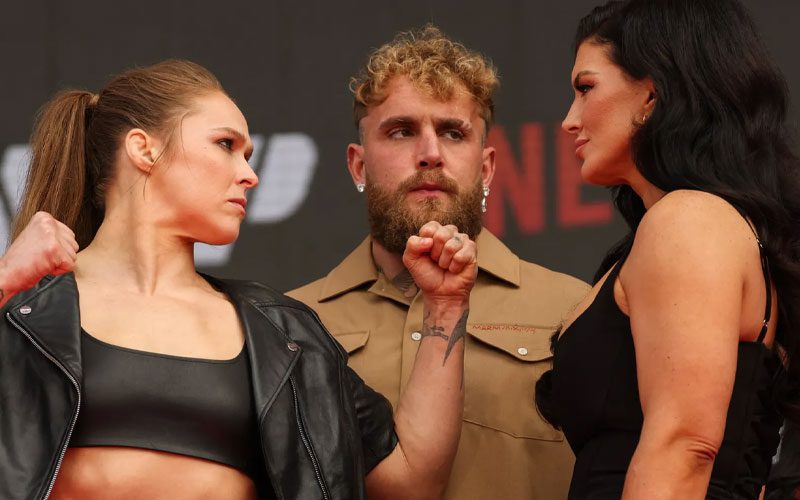
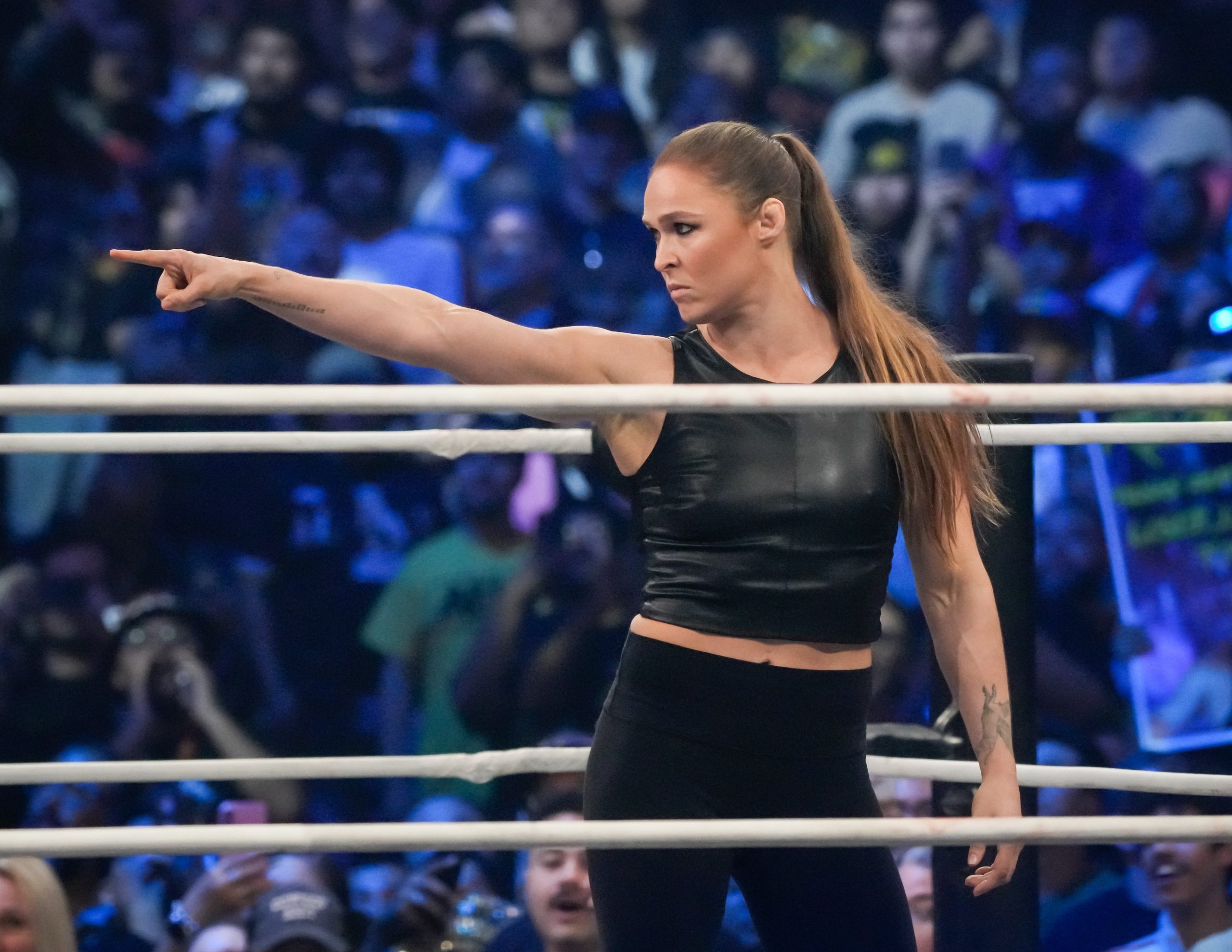
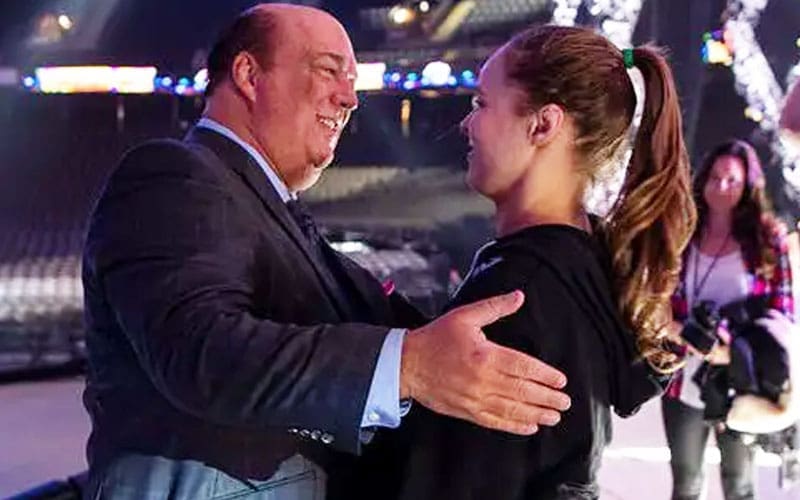
Ronda Rousey just put the mixed martial arts and professional wrestling communities on high alert.
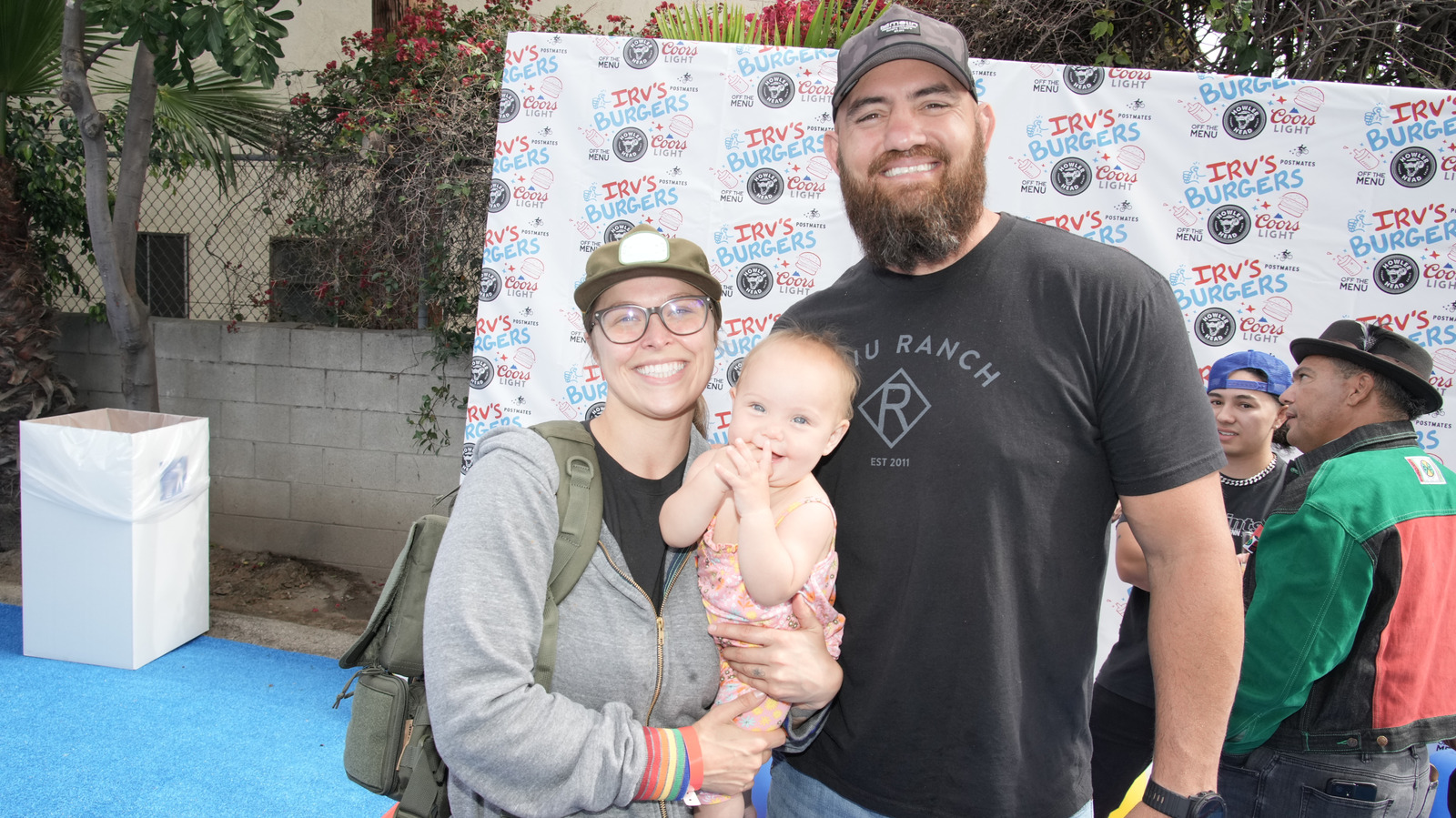
According to a recent report from Wrestling Inc., the UFC Hall of Famer and former WWE Raw Women’s Champion casually mentioned that her eldest daughter is already showing a serious interest in martial arts. The phrasing was simple, but the implication was massive.
UFC Hall of Famer Ronda Rousey said her eldest daughter is already showing an interest in martial arts.
It is a simple sentence. It is the kind of thing a parent might say about their kid wanting to play soccer, try gymnastics, or take up painting.
But when your mom is Ronda Rousey, saying you want to fight carries a completely different kind of gravity. It is a loaded statement that immediately sets off alarm bells across two massively profitable industries.
Let’s be real for a second. The idea of a second-generation Rousey stepping into an octagon or a squared circle is absolute box office gold. Dana White probably just woke up in a cold sweat trying to figure out how to offer a developmental contract to a toddler. Triple H is likely having Shawn Michaels draft up a lucrative NIL deal for the Performance Center class of 2040. The hype machine is already booting up.
But before we get lost in the fantasy booking, we need to look at the harsh, unforgiving reality of what this actually means.
Being a second-generation athlete in combat sports is a brutal path. We see it in wrestling all the time. Look at the intense pressure put on Charlotte Flair to live up to Ric. Look at the absolute meat grinder Dominik Mysterio had to walk through to finally get out of Rey’s shadow and become his own character. He spent two full years getting mercilessly booed out of every building in North America just to find his footing. Look at Bron Breakker literally barking his way through the main roster to prove he is more than just a Steiner brother replica.
And that is just in the controlled, heavily produced environment of professional wrestling. You can script a redemption arc in WWE. You can protect a young prospect with careful matchmaking and a great manager.
Translating that pressure to actual mixed martial arts? The stakes are exponentially higher. There is no script to save you when the cage door locks.
The brutal reality of the family name
In MMA, you don't just inherit a famous name. You inherit a massive, glowing target on your back.
If Rousey’s daughter actually pursues professional fighting, every single girl she faces in the amateur circuit will be looking to make a name for herself by taking down the offspring of a legend. Every sparring session at a local gym will be heavily scrutinized. Every regional fight in a sweaty high school gymnasium will have cell phone cameras shoved in her face, waiting for her to fail.
It is a completely unfair environment to develop in.
Consider the children of other famous fighters. It is a mixed bag at best. For every AJ McKee who lives up to the family business in Bellator, there are a dozen who crumble under the spotlight before they even reach the big leagues.
And let’s talk about Ronda’s own incredibly complex, often toxic legacy.
Ronda Rousey is a pioneer. That is an undeniable, undisputed fact. Without her, women wouldn't be fighting in the UFC today. Dana White famously told a reporter that women would never fight in his promotion. Rousey forced him to eat those words by snapping arms and generating pay-per-view buyrates that rivaled Conor McGregor.
She literally built the women's division on her back. She famously submitted Cat Zingano in 14 seconds. She knocked out Alexis Davis in 16 seconds. She was finishing world-class fighters faster than most people can tie their shoes.
That level of dominance created an impossible standard for anyone to follow, let alone her own flesh and blood. How do you live up to a parent who was literally marketed as the 'Baddest Woman on the Planet' and lived up to the billing for years?
But the end of her MMA career was ugly. The devastating head kick from Holly Holm in Australia shattered the aura of invincibility. The rapid destruction at the hands of Amanda Nunes a year later was incredibly tough to watch.
The fans, who had built her up as a mainstream superhero and put her on the cover of magazines, turned on her with vicious speed. The MMA community is notoriously fickle. They delighted in her downfall, creating cruel memes out of her lowest moments and celebrating her physical trauma.
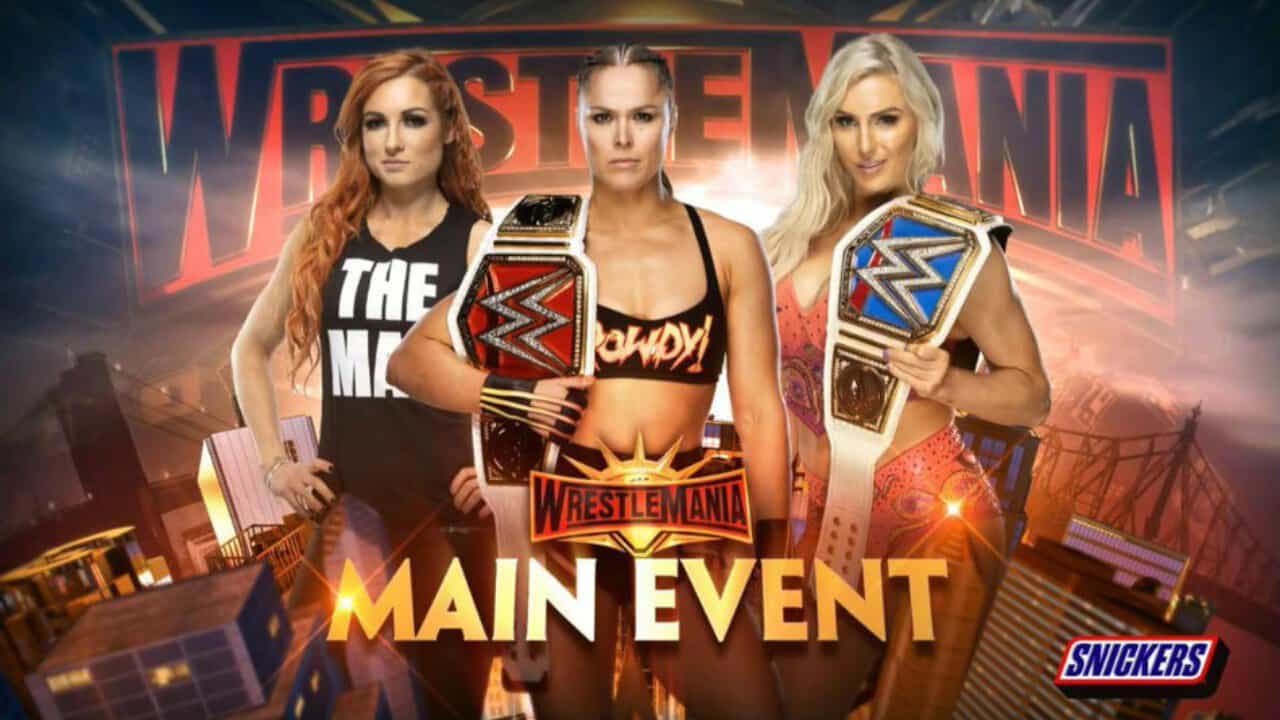
Her subsequent transition to WWE was supposed to be a fresh start. For a little while, it was incredible. Her debut match at WrestleMania 34 alongside Kurt Angle against Triple H and Stephanie McMahon is still widely considered one of the greatest celebrity crossover matches in wrestling history. She looked like a natural.
But the WWE universe eventually soured on her too. The constant complaining about the travel schedule, the disparaging comments about the fans being ungrateful, and her messy, confusing exit after SummerSlam left a bitter taste in everyone’s mouth.
Why on earth would she want her daughter to walk into that exact same fan culture?
The deep judo bloodline
Maybe it is not about wanting it. Maybe it is just inevitable. Combat is literally woven into their DNA.
Ronda’s mother, AnnMaria De Mars, was the first American to win a World Judo Championship. She was famously strict and demanding, pushing Ronda to the absolute physical brink to ensure she achieved Olympic greatness.
Ronda took that intense pressure and won a bronze medal in Beijing. It defined her entire early life.
Now, the third generation is showing the exact same itch.
It is incredibly easy to romanticize the idea of a combat sports family dynasty. The Anoa'i family has essentially run WWE for the last four years, turning the Bloodline storyline into the most profitable angle in modern wrestling history. The Gracie family defined early MMA and changed how the world viewed ground fighting.
But the toll this sport takes on the human body is devastating, and we cannot ignore that part of the conversation.
We know so much more about CTE, severe brain trauma, and long-term physical damage now than we did when Ronda was coming up through the judo ranks. The sports science has evolved dramatically. But getting punched in the face by four-ounce gloves still causes the brain to rattle violently against the skull. Taking flat back bumps in a wrestling ring for 300 days a year still grinds your spine to dust.
Encouraging any kid to get into combat sports feels increasingly difficult to justify in 2026. Knowing the severe physical costs, it makes you question the motivation behind pushing the next generation into the fire.
The massive evolution of the game
If her daughter does step into the cage in ten or fifteen years, she will be walking into a completely different sport.
When Ronda was champion, she was a pure specialist. Her judo throws and her trademark armbars were so elite that she simply didn't need a well-rounded game. She could just impose her single dominant skill on opponents who were still learning the basic mechanics of submission defense.
That strategy absolutely does not work anymore.
The women fighting in the UFC today are absolute killers from day one. They are well-rounded, highly technical martial artists who have been training wrestling, jiu-jitsu, and Dutch kickboxing simultaneously since they were children.
A pure judoka isn't going to breeze through the bantamweight division ever again.
The bar for entry has been raised into the stratosphere. Rousey's daughter wouldn't just need her mom's legendary grappling abilities; she would need elite striking and defensive wrestling just to survive the regional scene without taking severe damage.
And if she chooses the path of professional wrestling, she will face a completely different set of impossible expectations. WWE loves a legacy story. They would fast-track her through the Performance Center in Orlando, slapping a familiar nickname on her and expecting her to draw money based solely on her mother's reputation.
But wrestling fans are viciously critical. If she misses a spot, if her promos are slightly awkward, the internet will tear her to shreds. They will accuse her of being a nepotism hire who didn't pay her dues on the independent circuit. She would have to be twice as good just to get half the respect.
Let's look at the current wrestling scene. We are exactly eight days away from WWE Backlash. The product is hotter than it has been in decades. If a young Rousey walks into this current era of WWE, she is walking into a locker room filled with the most talented female wrestlers in history. Rhea Ripley, Bianca Belair, Iyo Sky—these women are operating at a level of athleticism and ring psychology that dwarfs what Ronda faced during her initial run.
The days of getting by on a mean scowl and a few sloppy judo throws are completely gone.
A critical look at the hype machine
This is where we really need to step back and be heavily critical of how the sports media machine operates today.
A mother makes a passing comment about her kid liking martial arts, and immediately the dirt sheets, podcasters, and news aggregators spin it into a massive headline.
It is wildly unfair to the child.
We are already putting the crushing weight of a Hall of Fame career on the shoulders of a kid. We are fantasy booking her future pay-per-view main events before she even knows how to wrap her own hands properly or hit a heavy bag without hurting her wrists.
It is a gross symptom of a content cycle that demands constant, unending engagement. We are so utterly desperate for the next big superstar that we are willing to mine the preschool demographic for future stars.
Let kids be kids.
If she wants to do judo, that is great. It builds discipline and character. If she wants to learn jiu-jitsu, awesome. It is fantastic self-defense.
But the immediate, breathless jump to assuming she will fight in a professional, money-making context is everything wrong with how we consume combat sports. We view these athletes as disposable commodities for our entertainment. Apparently, that toxic mindset extends to their offspring.
What actually happens next
Nothing happens next. That is the boring, honest reality.
We are all going to forget about this quote in three days when the next big controversy hits the timeline. We will move on to intensely debating the WWE Backlash card for next weekend or arguing over terrible referee stoppages at the UFC Apex.
But the seed is officially planted.
In a decade, a grainy, low-resolution video of a teenager hitting a perfect hip toss in a local California grappling tournament will inevitably surface on social media. The rumor mill will fire back up instantly. The impossible comparisons will start all over again.
Until then, Ronda Rousey will likely keep training her kid in private. The legacy will quietly continue to grow in the shadows, far away from the screaming fans and the flashing cameras.
She has years before she has to make a real choice. The combat sports world will be waiting, watching every single step, ready to either crown her or tear her down.