Four hours is a long time to spend on a couch
Remember the dark ages of WWE pay-per-views? I’m talking about those grueling, bloated six-hour marathons that felt like a slow death by powerpoint. We’d sit through fifteen matches, half of them filler, until our eyes glazed over somewhere around the third women’s tag team title defense. The move to a tighter, punchier format over the last few years has been the smartest pivot in combat sports history.
Triple H took a sledgehammer to the bloat. By cutting the card down to five or six matches, he turned every single spot on the bill into something that actually matters. If you’re checking your phone during a match now, it’s because you’re bored, not because you’re exhausted from being drained by four hours of mid-card sludge. It’s the difference between a refined tasting menu and being forced to eat an entire buffet while locked in a closet.
The return of the stadium spectacle
Levesque wasn't just fixing the run times; he was reclaiming the scale. Moving shows into massive international stadiums wasn’t just about ticket sales, although the optics of a full crowd in Perth or Cardiff are undeniably great. It’s about creating an atmosphere that makes the product feel gargantuan again.
The shift to these venues has changed the texture of the main events. Think back to the sheer volume when Drew McIntyre hit his spot in Scotland. That energy doesn’t happen in a mid-sized arena. The decision to lean into these massive, cavernous locations makes every show feel like a tentpole event, rather than just another stop on a long, winding road to the next big payday.
Kill the rematch machine
The biggest sin of the previous regime was the automatic rematch clause masquerading as booking. We used to get the same two guys fighting at Summerslam, Hell in a Cell, TLC, and Survivor Series until the crowd stopped caring about either of them. Triple H’s approach has been significantly more disciplined, prioritizing fresh matchups over filling a quota.
We see far fewer three-month programs that run on autopilot. By keeping feuds concise and letting performers move on, the stakes feel higher because they aren't dulled by constant repetition. It’s not perfect — some stories still get lost in the shuffle — but I’d rather have a short, punchy feud that delivers than a slow-burn slog that overstays its welcome by ten weeks.
The international expansion
This is the part that gets the casuals and the lifers agreeing for once. Booking events in France, Australia, and Puerto Rico has been a masterstroke for global visibility. As wrestling news circles have pointed out, the crowd reactions in these cities are often louder than anything we see in standard US markets because they aren't jaded by a weekly touring schedule.
These fans are hungry. They treat every near-fall like it’s the Main Event of WrestleMania. Watching Cody Rhodes or Rhea Ripley work in front of these crowds makes you realize how much local color matters. It’s the smartest way to keep the product fresh without having to re-invent the wheel every single month.
The death of the pointless kickoff show
Remember when the kickoff show was essentially a waiting room for the actual wrestling? Now, those pre-game segments are lean, focused, and actually build toward the narrative of the night. We aren't getting two hours of talking heads speculating about nothing. We are getting video packages, high-energy analyst chatter, and the occasional high-stakes match that actually warms up the crowd.
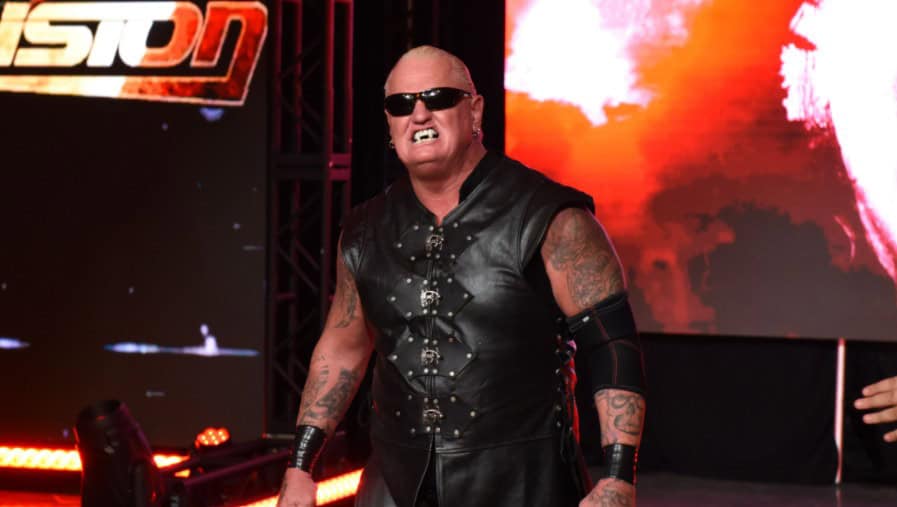
It respects the audience's time. In a world where we’re competing with everything from Netflix to high-end mobile gaming, you can’t expect people to rot in front of their TV before the real show even starts. By trimming the fat, the entire evening feels like a premium experience again. It’s a major improvement over the days when old school legends had to hold court for hours just to fill airtime.
The main event standard
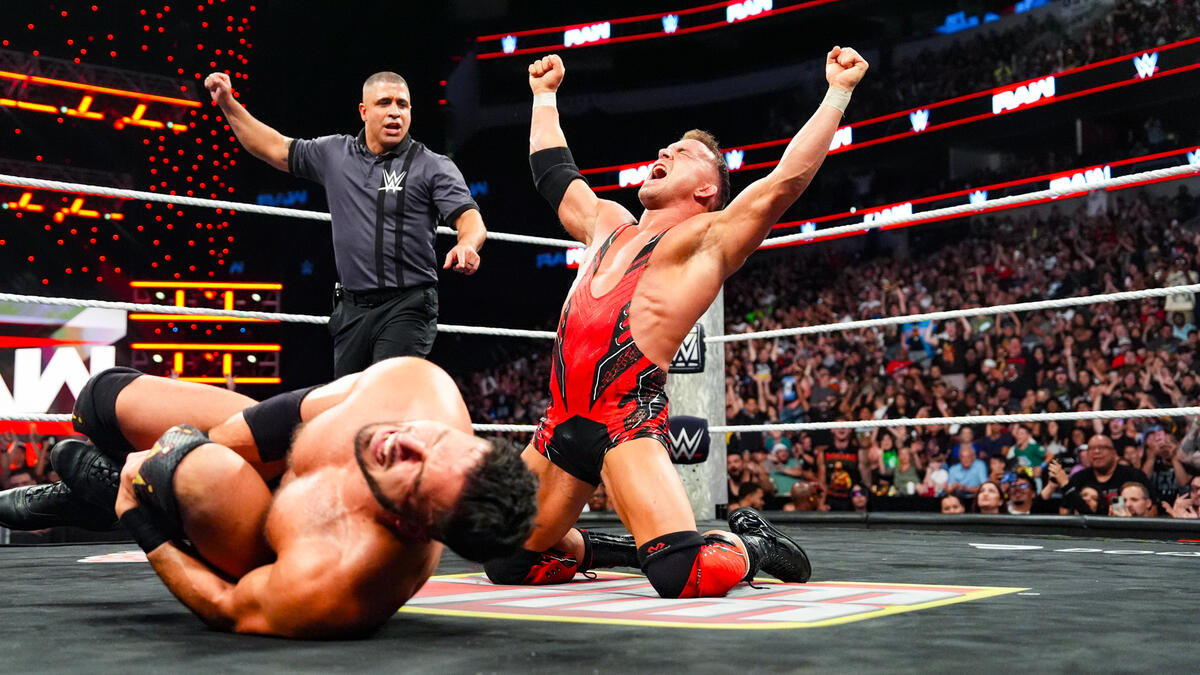
Finally, we have to talk about the closing act. Under the old regime, some PLEs ended on a sour note or a weird, non-finish just for the sake of extending a story to the next month. Now, the main event feels like a final boss fight. It’s the climax of the narrative, not just a spot on the card before the post-show credits roll.
Is everything a masterpiece? Of course not. Sometimes the finish is weak or the flow is off, like when a mid-card title match gets shoved into a spot where the audience is already dying for the heavy hitters. But the baseline quality of the main event has moved the needle. It’s not just wrestling anymore; it’s a genuine hook that keeps us coming back. And as we have seen with recent drama, even the smallest moments get scrutinized, so you better make sure the ending sticks the landing.