
Randy Orton is playing a dangerous game with his post-WrestleMania hiatus

The Viper’s vanishing act hits a strange beat
Randy Orton has mastered the art of the long-term professional wrestling narrative. He builds heat through absence and strikes with precision when he finally returns to the screen. Yet, the current radio silence following his main event loss at WrestleMania 42 feels disconnected from the typical booking cycle.
Reports indicate that Orton was pulled from a scheduled autograph signing at Fanatics Fest in New York last week, only to be seemingly re-integrated into the event lineup shortly after. This logistical stutter reflects a broader confusion regarding his status. When a performer of his standing becomes the subject of conflicting schedule reports, it signals a fracture in the communication between the talent and the promotion.
Fanatics Fest and the economics of the present
The industry focus has shifted toward these massive fan gatherings, which carry as much weight today as mid-tier pay-per-view events. Wrestlers like Rhea Ripley, who remains sidelined following a knee injury, are using these platforms to maintain visibility. Ripley’s recent appearance at a look-alike contest was a masterclass in brand management for an injured star.
Orton, by contrast, is absent from the television product entirely. While his planned presence at Fanatics Fest suggests he is physically capable of travel, the back-and-forth nature of his appearance status is baffling. Fans buying tickets expect clarity. If the organization cannot pin down where their top names are appearing on a non-televised weekend, the internal disjoint is as reported by Ringside News, a legitimate oversight.
The danger of cooling off after the peak
We are currently in the 16th week of the post-WrestleMania lull. Creative teams often struggle to maintain momentum when their top-card veterans move into a holding pattern. Orton needs a high-stakes program to avoid drifting into irrelevance, especially when rising talent is capturing the imagination of the audience.
Witnessing Rhea Ripley embrace the fan community during her recovery shows that staying active is possible even without a physical wrestling role. Orton appears to be taking the opposite route, opting for a guarded, traditional isolation. This strategy worked in 2012, but in a market saturated with constant content, it risks alienating the core audience.
If the plan is to manufacture a massive return, the execution feels accidental rather than scripted. Booking is a delicate balance of presence and absence, and right now, the needle has tipped too far toward the latter. The Apex Predator needs to reclaim the spotlight before the crowd finds a new king to follow.
AEW Unrivaled Collection The Hardy Boyz 2-Pack - Amazon Exclusive
Delete your boring shelf space with this extreme 2-pack.
Frequently Asked Questions
What happened to Randy Orton at Fanatics Fest?
How does Rhea Ripley manage her brand while injured?
Why is Randy Orton's current hiatus considered risky?
What does the scheduling confusion signal about the promotion?
How does today's wrestling market differ from 2012 for veterans?
More Coverage

Brock Lesnar is hiding behind suits and tape while the division moves on
an hour ago
Randy Orton and Rhea Ripley injury status updates
an hour ago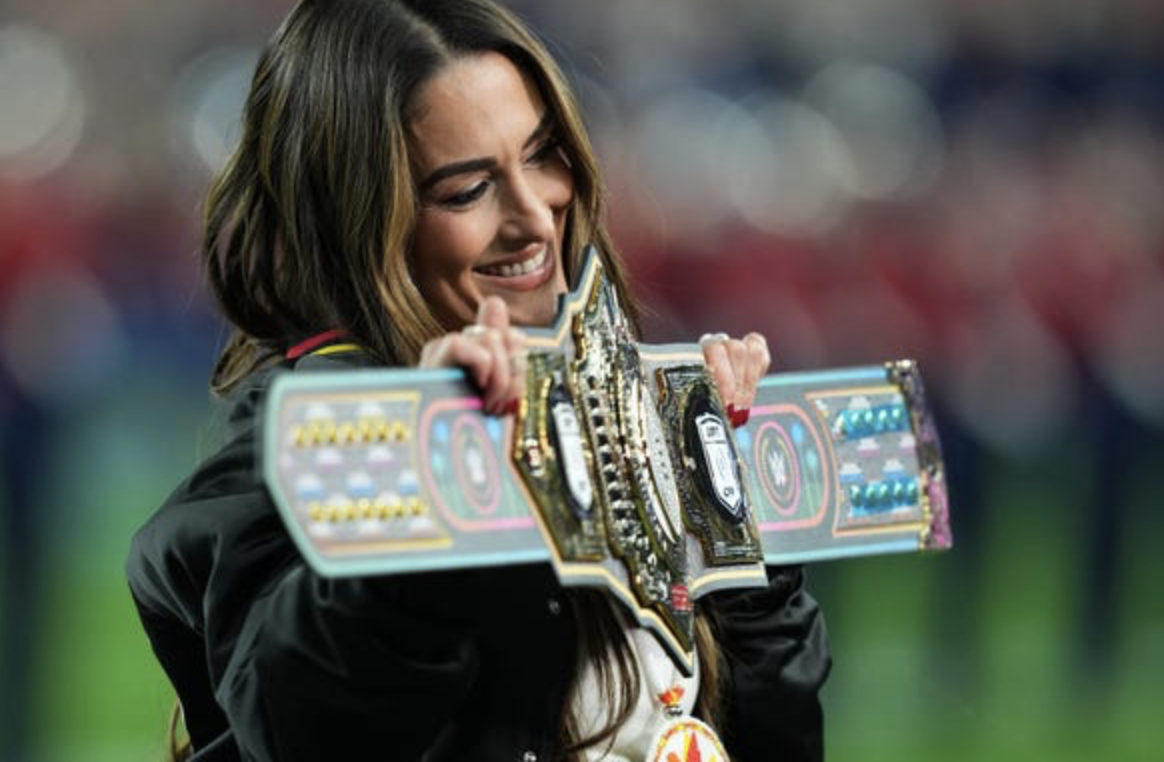
Nikki Bella making a comeback isn't the star power WWE needs right now
2 hours ago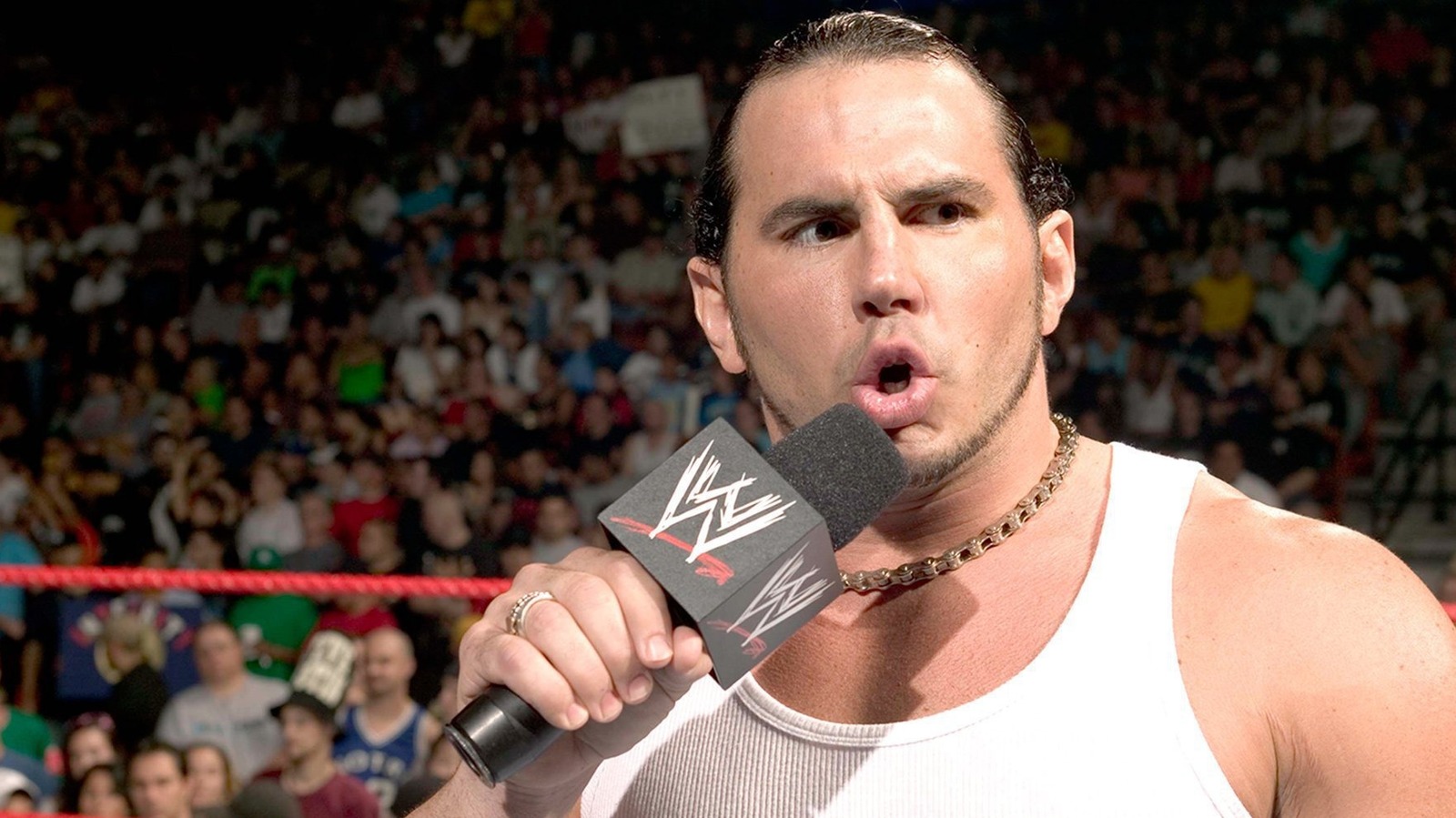
Matt Hardy’s 2005 decision highlights the risk of chasing WWE gold
2 hours agoOn This Day in Wrestling: July 17
2 hours ago
WWE playing chicken with AEW in Chicago is pure wrestling chaos
3 hours agoMore Analysis
Brock Lesnar is hiding behind suits and tape while the division moves on
an hour ago
Top 10: Most Significant Titles in Professional Wrestling
an hour ago
TNA is cleaning house and the fallout is ugly
an hour ago
Billy Gunn brings backstage order to Maple Leaf Pro Wrestling
an hour ago
AEW Redemption is stacking the card with cold math
an hour ago