The Hierarchy of Tag Wrestling
Tag team wrestling in 2026 is less about pure acrobatics and more about the chemistry of duos who know exactly when to cut the ring in half. The current landscape is defined by teams that blend veteran intelligence with the kind of aggression that forces promotions to reconsider their booking priorities.
The Rankings
1. Fatal Influence
Fallon Henley and Lainey Reid secured their position at the top following a high-stakes victory on the July 18 edition of Saturday Night’s Main Event. They toppled Paige and Brie Bella to claim the WWE Women’s Tag Team Championship in a finish that showcased their tactical superiority. This team is built on a foundation of calculated interference and relentless pressure. Their ability to adapt mid-match makes them the most dangerous duo in the division today.
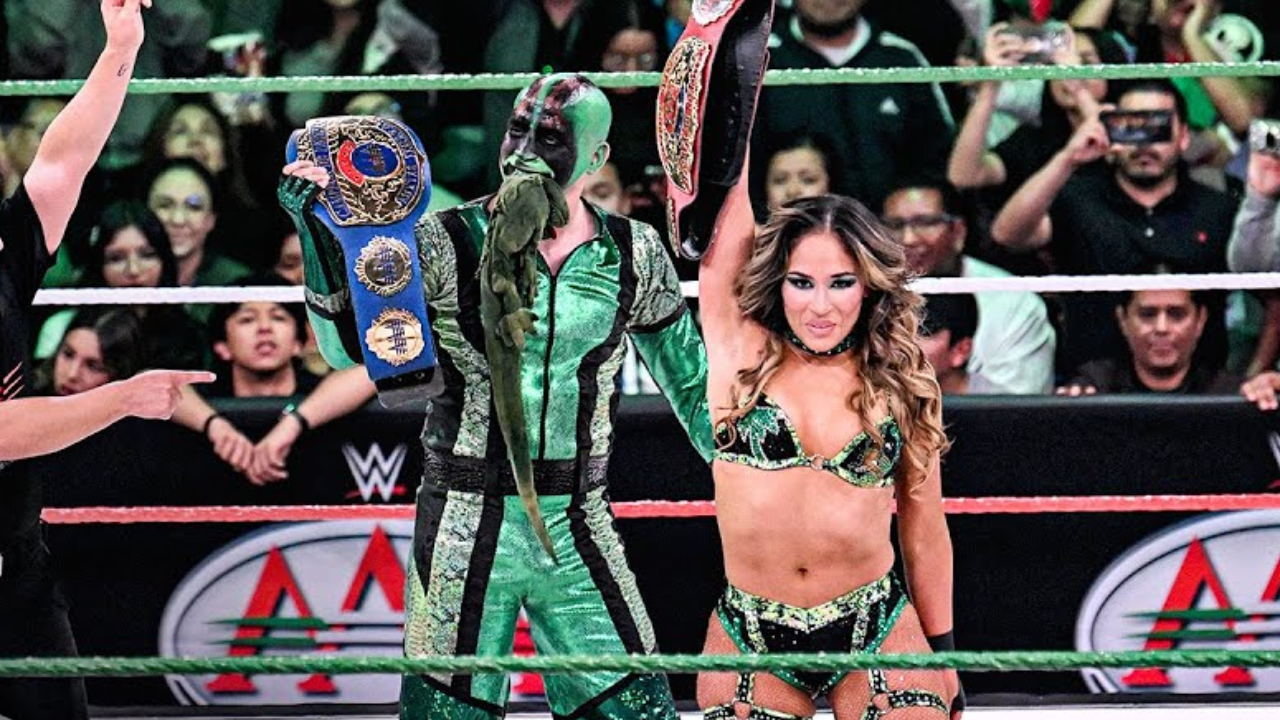
2. The AAA World Mixed Tag Contenders
The recent AAA World Mixed Tag Team title cycle has been the most volatile in years. By establishing a new number one contender, the promotion has effectively forced every other team to elevate their work rate. It is a necessary shift to keep the division from stagnating against the rapid expansion of international competition. Whoever holds these titles must now endure a gauntlet of technically proficient challengers.
3. Paige and Brie Bella
Despite dropping the gold on July 18, this pairing remains the gold standard for high-level experience in the women’s division. Their chemistry is built on years of individual success, even if their recent title reign ended abruptly against the younger, hungrier Fatal Influence. They carry matches by sheer force of personality and ring craft. Missing out on the titles might actually allow them to play the role of the veteran gatekeepers who keep the division honest.
4. The Performance Center Graduates
Fresh off their development cycles, this unit has displayed a rare level of synchronized movement. While they lack the headline prestige of veterans, their technical proficiency in the ring is undeniable. They rank here because they represent the immediate future of the tag division. If they can tighten their transition game, they will be challenging for championships by the end of the year.
5. The Veterans of the Independent Circuit
These teams are currently performing at an elite level, yet they are hampered by inconsistent booking schedules. They are capable of stealing the night at any venue with a high-impact move set that prioritizes speed over long-form psychology. They land here because they possess the best physical stats in the game, even if they lack the corporate backing of larger organizations.
6. The Hybrid Technical Units
These teams utilize a blend of submission work and high-flying maneuvers to neutralize opponents who rely on power. They are designed to punish slow-moving heavyweights, though their lack of a consistent finisher often leaves them on the wrong side of a 3-count. Their failure to secure the big win prevents them from climbing higher on this list. It is a classic case of stylistic brilliance meeting a ceiling of execution.
7. The Powerhouse Duo
Built for the sole purpose of overwhelming opposition through basic physical dominance, this team relies exclusively on strength. They are effective in squash matches but show visible fatigue during contests that extend past the 10-minute mark. Their limitations are obvious to anyone watching the tape. They need to integrate more complex tag work to survive the current competitive era.
8. The Legacy Teams
A group of performers who have been paired primarily for name recognition rather than actual chemistry. They struggle to find a coherent rhythm, resulting in disjointed matches that rely too heavily on outside interference. Their ranking is a reflection of past reputation, though it is clear their window as a top-tier threat is closing rapidly. They provide little beyond nostalgia at this point.
9. The Chaos Specialists
These performers are best used as spoilers rather than title contenders. They embrace a chaotic style that often forces their opponents into errors, which is a useful strategy for mid-card work. However, this creates a reputation as being unreliable, which makes them difficult to book for long-term championship programs. They lack the discipline required for sustained success.
10. The Reclamation Projects
Teams featuring former rival performers now forced into awkward partnerships by managerial whim. While they have flashes of brilliance, the lack of intrinsic trust often leads to miscommunication at the worst possible moment. For example, their failure to coordinate a simple double-team maneuver remains a glaring flaw. They are here because they have the talent, but not the foundation, to ascend.
The Big Picture
The tag team landscape is currently experiencing a transition toward aggressive, results-driven wrestling. Teams that cannot adapt to the faster pace seen on shows like Saturday Night's Main Event are quickly finding themselves relegated to the undercard. Efficiency and execution now outweigh pure flash in determining who holds the gold.
Honorable Mentions
- The high-flying duos currently operating in the regional circuits.
- The veteran pairs still lingering in the hope of one final push into the main event.