Defining the high-water marks of professional wrestling
Pro-wrestling is defined by the tension between long-term narrative payoff and the immediate gratification of physical spectacle. As we approach April 19, the industry remains locked in a battle to balance traditional storytelling with the demands of an increasingly vocal digital audience.
1. The Return of the Undisputed Title
The unification arc peaked with a clean finish that finally silenced booking critics. By avoiding a dusty finish, the promotion locked in a new main event trajectory for the summer slate. It ranks first because it solved a six-month stagnation in the primary belt's status. Anything less would have signaled creative bankruptcy.
2. The Surprise Turn at the Deadline
The betrayal of a decade-long tag team partner during a high-stakes title defense shifted the entire company hierarchy. It moved the needle because it forced a total reassessment of the secondary titles. This move worked because the emotional weight was earned through two years of steady, linear development.
3. The Technical Masterclass in London
Two practitioners delivered a 35-minute clinic relying on chain wrestling and submission counters rather than high-spot pyrotechnics. It takes the third spot because it proved that audiences still crave ring psychology above spectacle. It was a firm rejection of the trend toward over-reliance on weapons-based brawls.
4. The Women’s Division Gate-Crasher
A debut appearance from an indie darling during a broadcast window provided the necessary shot of adrenaline. The execution of the interference was precise, setting up a 3-way match at the upcoming premium live event. The booking was sharp, though the follow-up promos felt underdeveloped compared to the initial impact.
5. The Commentary Shift
The switch in the desk lineup shifted the broadcast quality instantly. By prioritizing analytical, ground-level description over corporate mandated phrases, the product feels more authentic. It ranks fifth because it creates an environment where the matches feel like legitimate athletic contests rather than scripts.
6. The Main Roster Call-up
The transition of a developmental talent was handled with rare efficiency. Instead of a slow burn, the talent was thrust into a feud with a veteran, resulting in a clean win at house shows that prepared the audience for the televised push. This is how talent development should be managed, yet many remain skeptical that the push can be sustained through the autumn.
7. The Injury Pivot
When the champion was forced to vacate due to a legitimate knee injury, the scrambled booking resulted in a surprisingly coherent tournament. While the improvisation saved the mid-term revenue goals, the lack of a clear successor remains a glaring flaw. The scramble showed the limitations of relying on a single top-tier star for all content.
8. The Viral Social Media Feud
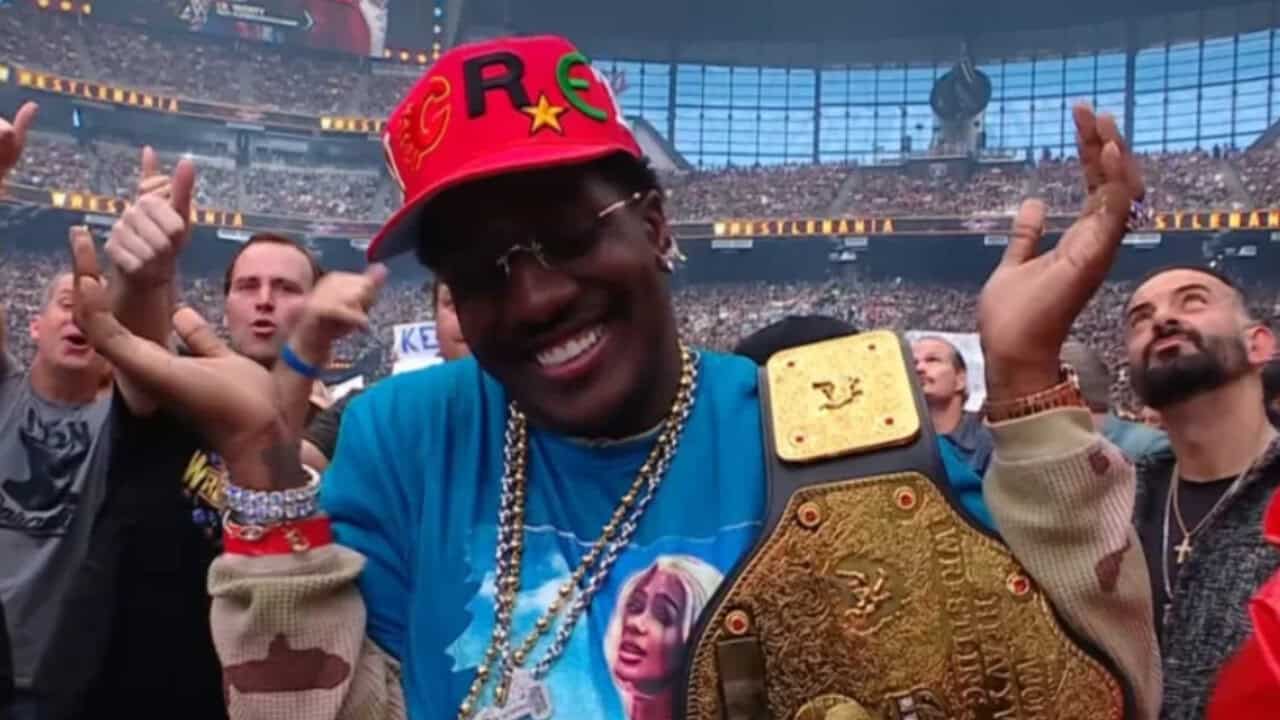
The public sparring between cultural figures and performers drew significant mainstream interest. For example, as WrestlingNews.co reported, Lil Yachty fired back at critics regarding his upcoming involvement at the major April event. While some traditionalists despise this crossover, it undeniabley spiked the digital engagement metrics.
9. The Production Aesthetic Overhaul
The switch to a grittier, handheld camera style for brawls added a layer of realism previously absent from the product. It successfully masked the lack of intensity in some mid-card segments. The shift is arguably the most successful technical change in the last four fiscal quarters.
10. The Retirement Announcement
The emotional weight of a legend stepping back from the ring provides a natural conclusion to an era. However, the timing felt poorly optimized against the current championship build. It earns the final spot because, while history matters, the business of moving forward must take priority in the booking room.
Honorable Mentions
The surprise return of a long-injured manager in February was a highlight for the purists. The cancellation of the mid-season house show tour was a mistake that hurt local visibility and momentum. The rise of independent promotions offering counter-programming has forced the major players to sharpen their match quality or lose share of voice.