The cold, hard truth about the WWE revolving door
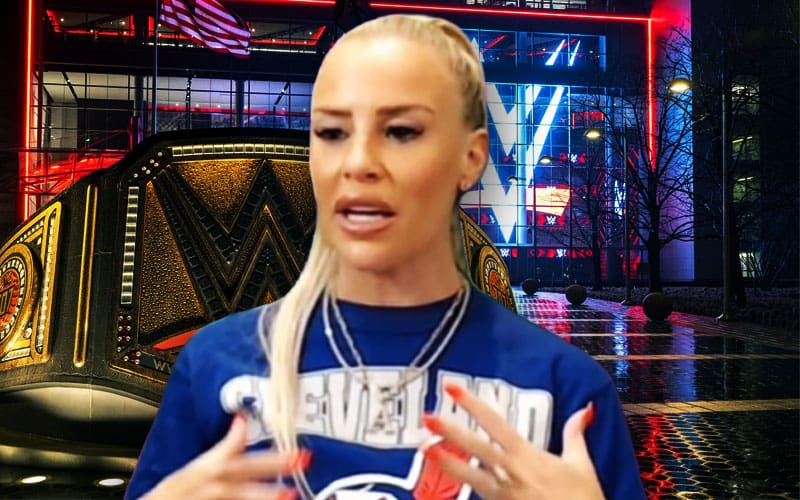
Let’s cut through the corporate PR spin and the sanitized post-release goodbyes. When Ash By Elegance, the artist formerly known as Dana Brooke, says she wasn’t given a fair shot during her tenure at the Stamford mothership, she isn’t just venting. She’s echoing the exact frustration that has been rattling around locker rooms from Orlando to Tokyo for the last decade.
We watched her spend years in a specific kind of booking purgatory. One month she’s a legitimate contender, the next she’s eating pins in two-minute segments during the third hour of Raw to make sure the commercial break timing stays tight. It is the wrestling equivalent of a player being forced to play wide receiver while possessing the skill set of a pure pocket passer. You don't have to be a genius to see why that ends in a train wreck.
The 24/7 title era was a career graveyard
Look at the statistical reality of her time as Dana Brooke. She spent a massive chunk of her later WWE career trapped in the 24/7 Championship chase. That wasn't a push; that was a prison sentence. While other talents were cultivating personas and refining their technical arsenals, she was chasing comedians through vending machine aisles.
You can’t refine your craft when the creative direction consists of protecting a foam belt by running away from R-Truth. That role is the death of credibility for anyone who actually wants to be taken seriously as a top-tier performer. When NXT Stand and Deliver proved anything, it’s that talent needs a consistent, focused narrative to connect with the modern audience. Dana Brooke never got that focus, and frankly, that’s a booking failure of massive proportions.
The missed potential and the TNA pivot
Was it all management's fault? Of course not. Every performer has a responsibility to get themselves over, and there were nights when the execution just didn’t land. Sometimes, the move set looked a bit stiff, or the promos felt forced. But in an environment as rigid as pre-2024 WWE, failing to color inside the lines meant you were buried faster than a jobber in a squash match against Brock Lesnar.
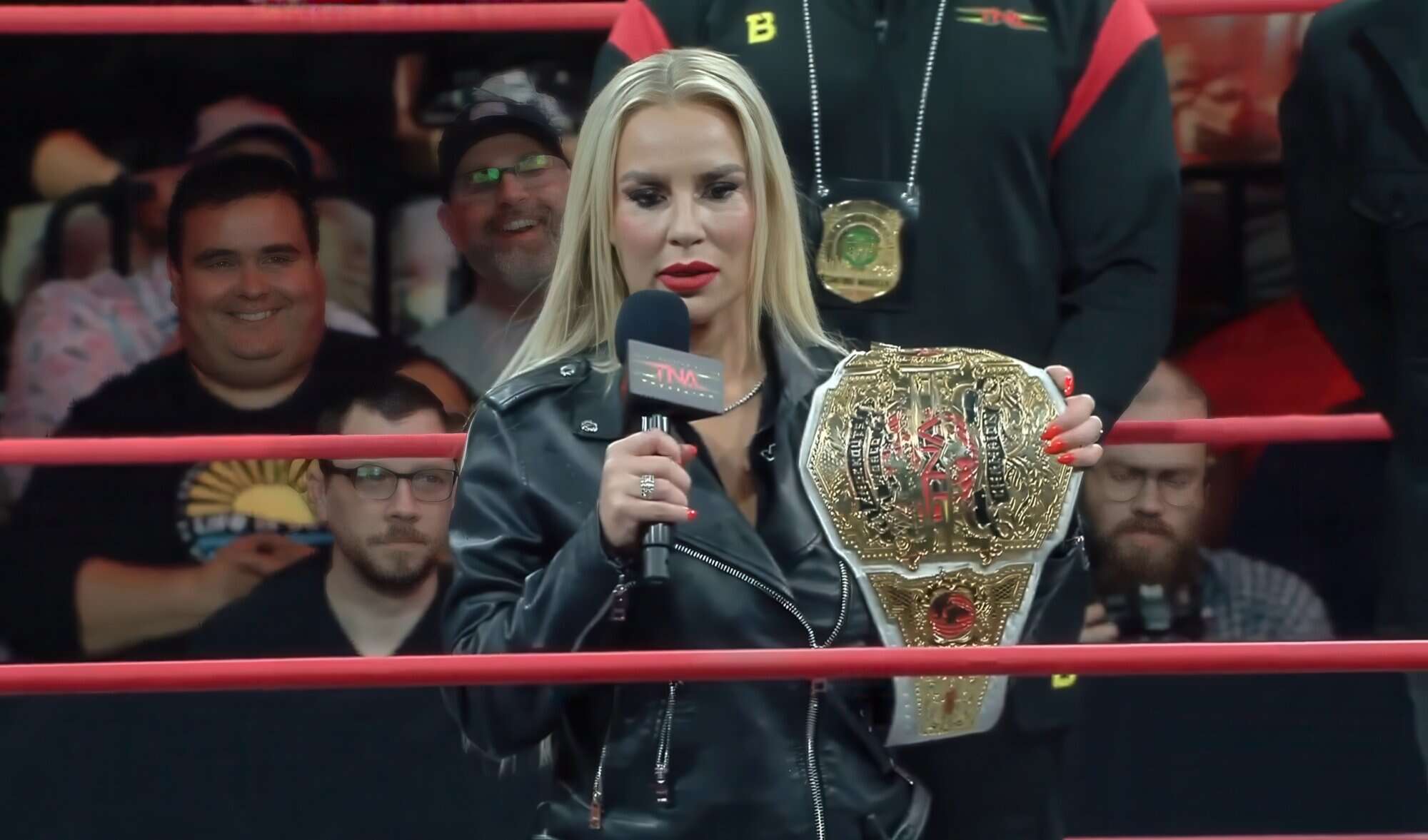
Watching her re-emerge as Ash By Elegance in TNA is like watching someone finally take the blinders off a racehorse. The character work has more depth in three months than her previous three years combined. She has found a lane that allows for vanity, arrogance, and legitimate athletic grit. It turns out that when you stop treating a performer like a prop, they might actually develop into a viable star.
The argument that the WWE developmental system is a flawless machine is a load of bunk. It’s a filtration system that often ignores what the individual actually needs to thrive. Success in this business isn't just about having the right look or the right theme music. It’s about being put in positions that hide your flaws and amplify your strengths.
Why the industry still struggles to identify talent
When you hear veterans talk about "the grind," they usually mean the physical toll of the road. But the psychological grind—the feeling that you are running on a treadmill that keeps getting faster—is what actually kills careers. Dana Brooke played that game for years, and the audience eventually stopped caring because management stopped giving us a reason to care.
If she had been given a run with an actual endgame—maybe a sustained heel arc where she actually beat people instead of just being the filler for the undercard—the conversation would look different today. Instead, we have a clear example of a wasted asset moving on to find success elsewhere, much like we saw with Cody Rhodes or Drew McIntyre before they clued into the truth.
The reality is that for every breakout star like Tony D’Angelo, there are five performers languishing in mediocre booking cycles. Blaming the talent for that stagnation is a cheap way for promoters to deflect from their own lack of imagination. Ash By Elegance is not just a performer; she’s a reminder that talent isn't the problem in this industry. It is the inability of the people with pens to recognize what they have until it is already walking out the door.
At the end of the day, she is doing better work now than she did at any point during her tenure in the big leagues. That isn't a coincidence. It is what happens when a wrestler stops waiting for permission to be a star and decides to just take the ball and run with it. Whether that path leads to a future championship at TNA remains a question, but for the first time in a decade, the answer doesn't depend on a scriptwriter in an office.