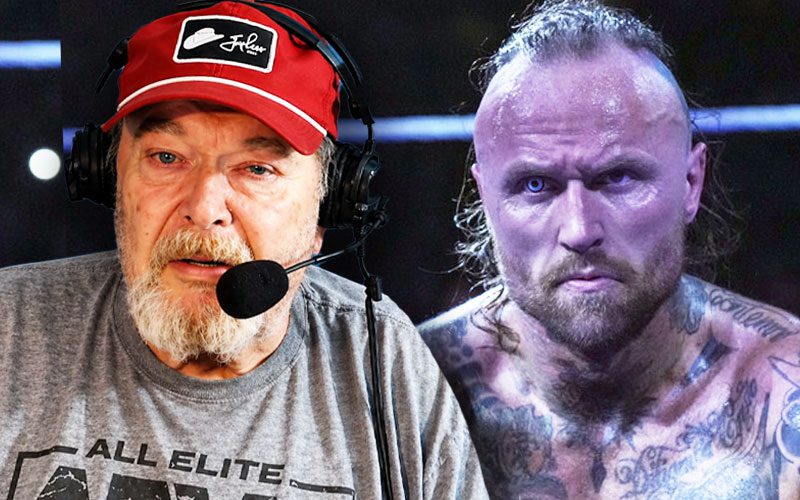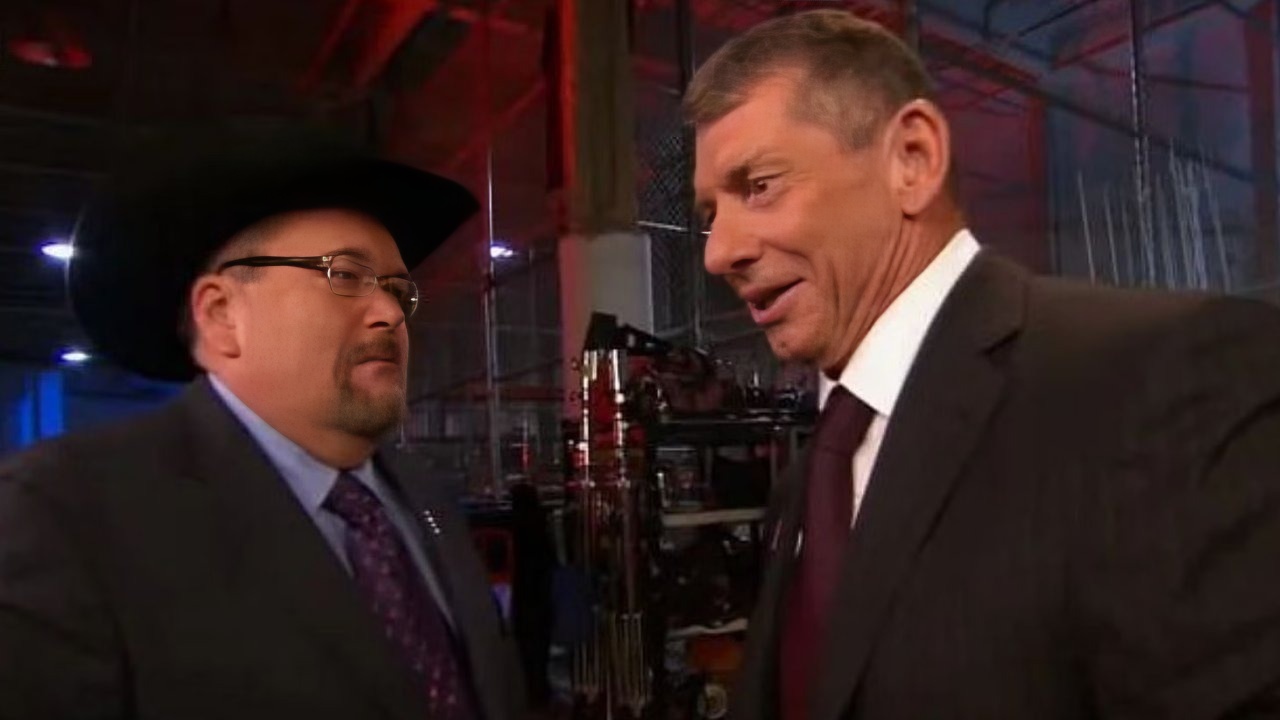
The Big Picture: Jim Ross is the last man standing from an era where the announcer was as big as the champion.
While his health has been a recurring headline, his influence on how we perceive the 'big match feel' remains the industry standard in 2026. Ross is no longer a weekly fixture, but his voice carries more weight than any executive when it comes to defining wrestling's legacy.
10. The Stubborn Defense of the One-Night WrestleMania
Jim Ross recently went on the record to explain why he still prefers the classic one-night WrestleMania format over the current two-night spectacle. He argues that a single, massive night creates a more focused atmosphere and a singular 'Big Game' energy that gets diluted when spread across a weekend. This is a classic JR take, rooted in the territory days where one big gate was the goal. However, this is a clear miss for the modern fan experience. Asking a crowd to sit through an 8-hour marathon including the pre-show is an endurance test, not entertainment. The two-night format allows matches to breathe and prevents the main event from playing to a comatose audience at 1:00 AM.
9. The 'Grilling JR' Historical Influence
His podcast remains a top-tier source for wrestling history, but 2026 has seen Ross use it more as a defensive tool for his era. He often uses the platform to break down the logic of 1990s booking, which serves as a subtle critique of today's high-spot-heavy style. While the insight is invaluable, there is a growing frustration with how he occasionally glosses over the documented failures of his friends in the industry. It is a vital part of his brand, but it sometimes borders on revisionist history. He remains the primary architect of how fans remember the Attitude Era. His stories about Steve Austin and The Rock are the primary texts for new fans.
8. The Unmatched Talent Scout Legacy
Even in 2026, the 'JR signee' label carries immense prestige for any young wrestler. Ross was the man who identified the potential in everyone from Brock Lesnar to John Cena, and his eye for 'The Look' is still respected in AEW's scouting meetings. He looks for collegiate backgrounds and legitimate athletic credentials rather than just indie circuit hype. This philosophy has led to some friction with modern talent who prioritize viral clips over fundamental psychology. Yet, when a wrestler starts to plateau, they usually end up in Jim's office asking for a breakdown. His ability to spot a star before they even lace up boots is a skill no algorithm can replace.
7. The 'Big Match' Specialist Strategy
AEW has perfected the usage of Ross by treating him like a legendary closer in baseball. He doesn't grind through three hours of secondary matches; he arrives for the main event to provide the emotional roadmap. This preserves his voice and makes the matches he calls feel significantly more important than the rest of the card. When the 'Boomer Sooner' music hits, the live crowd knows they are about to see something that matters. It is a smart move that acknowledges his physical limitations while maximizing his legendary status. This role has kept him relevant long after many of his contemporaries have retired to the convention circuit.
6. The Constant Critique of Modern Selling
Ross has become the loudest critic of the 'no-sell' culture that dominates modern television matches. He frequently calls out wrestlers for moving too fast and failing to register the impact of high-risk maneuvers. While some fans find this grumpy, it is a necessary check on an industry that often prioritizes choreography over combat. He argues that if a move doesn't hurt, it doesn't matter, and his frustration is often audible on live broadcasts. This friction creates a unique dynamic where the commentator is actively challenging the performers to do better. It is a risky approach, but it keeps the product grounded in a semblance of reality.
5. The Resilience After the Recent Fall
Fans were genuinely concerned after Ross suffered a frightening fall earlier this year, but his recovery has been nothing short of remarkable. He missed several weeks of television to focus on his health, but he never suggested that retirement was on the table. This 10-day layoff was the only break he took before jumping back into the fray for the spring season. His toughness is a point of pride, and it mirrors the grit of the wrestlers he spent decades covering. Many expected him to transition to a full-time studio role, but Jim's heart remains at the broadcast table. He continues to defy medical expectations and the standard timeline for veteran announcers.
4. The Traditional Heel Commentator Ideology
Ross remains a vocal proponent of the traditional 'play-by-play and color' dynamic that seems to be fading. He misses the era of Bobby Heenan and Jerry Lawler, where the lines between good and evil were clearly defined in the booth. Modern commentary often feels like three fans chatting, and Ross has publicly pushed for a return to more structured, antagonistic storytelling. He believes the announcer's job is to sell the stakes, not to show off how much they know about the wrestlers' personal lives. This 'old school' mindset occasionally makes him feel out of sync with his younger partners. However, it provides a much-needed contrast to the overly friendly tone of many 2026 broadcasts.
3. The Controversial Stance on Vince McMahon
One of his most polarizing takes of the year involves his belief that Vince McMahon's creative DNA is still 'instrumental' to the industry's success. As Jim Ross recently suggested, he believes McMahon's influence on the long-term vision of major events will persist regardless of corporate shifts. This opinion has drawn fire from those who want a clean break from the past, but Ross speaks from a 30-year career working directly under the man. He isn't necessarily praising the person, but rather acknowledging the structural impact McMahon had on how wrestling is presented. It is a cold, pragmatic assessment that many find uncomfortable but few can objectively disprove. Ross refuses to join the chorus of people pretending the previous era didn't exist.
2. The High-Stakes Return at AEW Dynasty
The biggest story in Jim Ross's 2026 calendar was his triumphant return to the booth for AEW Dynasty. After his health scare, he traveled to Kansas City on 2026-03-30 to call the night's biggest matches, including the high-flying spectacles that define the modern era. As Ringside News reported, his status was in question right up until the event, but he delivered a vintage performance. His presence behind the mic gave the show a level of gravitas that elevated it from a standard pay-per-view to a historic event. Hearing him call the near-falls in the main event reminded everyone why he is the GOAT. It was a statement of intent that he isn't going anywhere yet.
1. The Emotional Pulse of the Industry
Jim Ross earns the top spot because he is still the only person who can make a wrestling match feel like a historic tragedy or a miraculous triumph. His voice is the emotional shorthand for the audience; when he gets excited, we know the moment is real. Whether it's a brutal ladder match or a technical clinic, Ross provides the human element that keeps fans invested for more than just the moves. He has survived a 9-year run in the modern era by adapting his style without losing his core identity. In 2026, he isn't just an announcer; he is the conscience of professional wrestling. Without his voice, the industry loses a significant piece of its soul.
Honorable Mentions
Jim's ongoing loyalty to the Oklahoma Sooners, which he still manages to reference in every broadcast, and his 'J.R.'s Family BBQ' brand, which remains a staple of the wrestling tailgating scene. He also deserves a nod for his mentor role behind the scenes, helping younger announcers find their voice in an increasingly crowded media space.